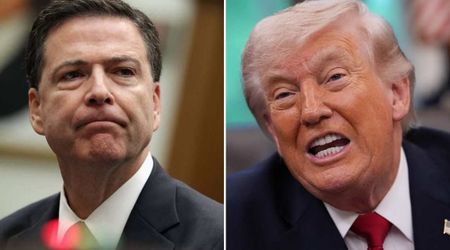
800 small businesses demand refunds after Supreme Court blocks Trump emergency tariffs
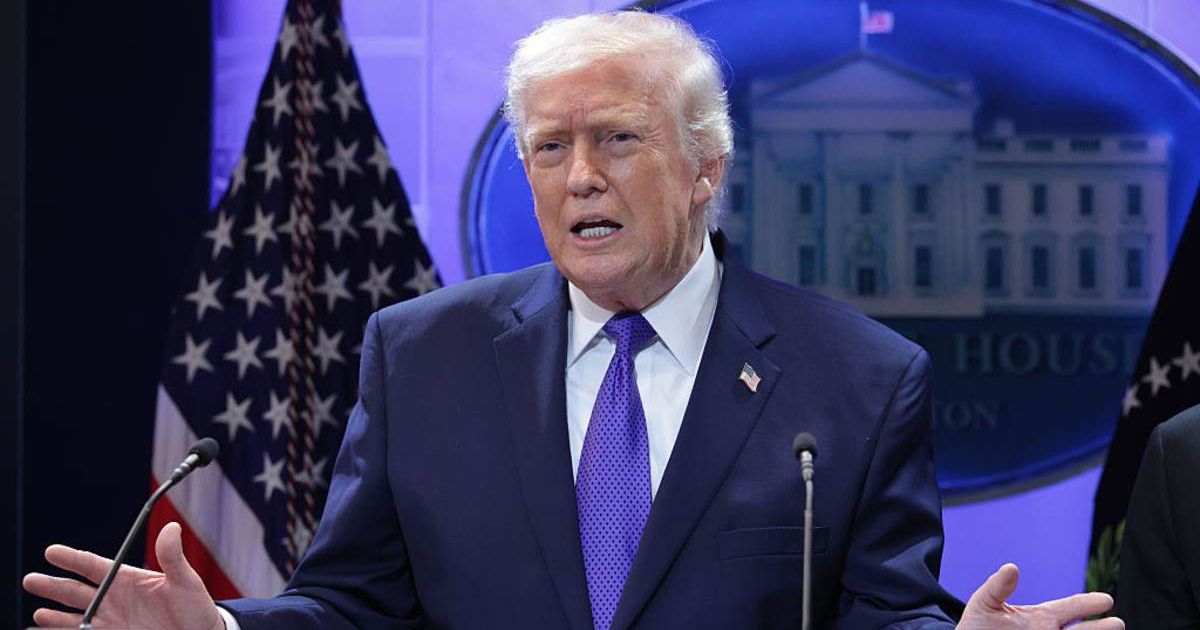
BREAKING: Trump's illegal tariffs are about to cause a huge mess in the US Economy.
— Ed Krassenstein (@EdKrassen) February 20, 2026
Why?
"A coalition of 800 small businesses across the country who weren't happy about the tariffs saying they were the ones paying the brunt of these costs. They just put out a statement saying… pic.twitter.com/VQjZFDW0EI
WASHINGTON, DC: Around 800 small businesses affected by President Donald Trump’s global tariffs are now demanding refunds after the Supreme Court struck down the policy on Friday, February 22. The companies say they paid billions under tariffs that the court has now ruled unlawful.
The businesses are part of a coalition called We Pay the Tariffs, which is urging the federal government to issue “full, fast and automatic” refunds. Many say the added costs strained operations, forced layoffs and stalled expansion plans.
Small businesses push for automatic tariff refunds
The 6–3 ruling found that the administration did not have authority under the International Emergency Economic Powers Act to impose the emergency tariffs. However, the court did not decide whether previously collected tariff revenue must be returned.
We Pay the Tariffs argues that its members have paid billions due to the policy. The group’s executive director, Dan Anthony, said small business owners were left carrying a financial burden that should never have existed.
“Our coalition members, who through hard work, late nights, and sweat equity built local businesses, have paid billions in tariffs that never should have been imposed,” Anthony said in a statement. He added that many companies took out loans, froze hiring or scrapped growth plans to cope with rising costs.
Rick Muskat, president of New York-based shoe company Deer Stags Concepts, said the policy had a direct impact on his workforce. “The burden on our business has been substantial leading to layoffs and halting all growth plans,” he said in a statement shared by the group.
Supreme Court blocks emergency tariff authority
The court’s decision centered on the administration’s use of emergency powers under the 1977 law to justify sweeping global tariffs. Those emergency tariffs accounted for roughly half of total tariff collections, according to estimates cited in reports.
Following the ruling, Trump criticized the decision and signaled that further litigation could stretch on for years. “I guess it has to get litigated for the next two years,” he said, adding that the matter could remain tied up in court for as long as five years.
🚨 President Donald J. Trump imposes a 10% global tariff on all countries. pic.twitter.com/42ZGDnMxbR
— The White House (@WhiteHouse) February 20, 2026
Trump has also indicated he may pursue alternative legal pathways to reinstate tariffs, including citing trade authorities under laws passed in 1962 and 1974.
Meanwhile, the Penn Wharton Budget Model at the University of Pennsylvania projected that reversing the tariffs could lead to up to $175 billion in refunds. The group noted that unless new tariffs replace the voided ones, future tariff revenue collections would drop significantly.
For now, small businesses say clarity on refunds is critical. What this really means is that even with the tariffs blocked, the financial fallout may continue until courts determine whether companies will see their money returned.