Airports near normalcy after Trump orders TSA agents to be paid
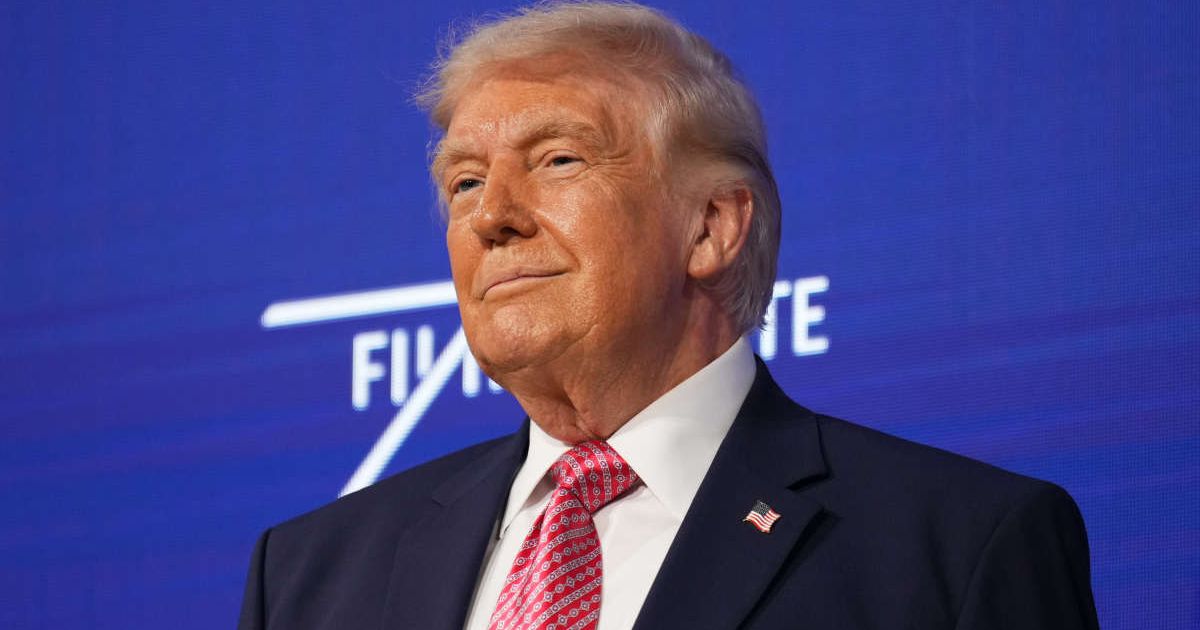
WASHINGTON, DC: Airport travel across the US showed signs of improvement on Saturday, March 28, after President Donald Trump stepped in with an order to pay TSA agents, easing weeks of disruption caused by the ongoing federal funding standoff.
The decision appears to have had an immediate effect in some locations, with shorter lines and smoother movement reported at several airports. However, the broader issue remains unresolved, as Congress has yet to agree on a long-term funding solution.
Trump says he is instructing DHS to pay TSA agents and end chaos at the airports: “I will not allow the Radical Left Democrats to hold our Country hostage any longer.” pic.twitter.com/p8POG7gBwY
— TheBlaze (@theblaze) March 26, 2026
Donald Trump’s order brings early relief at airports
After weeks of long lines and delays, there were early signs that conditions were improving at airports following Trump’s move to use existing Homeland Security funds to pay Transportation Security Administration workers.
“I have determined that these circumstances constitute an emergency situation compromising the Nation’s security,” Trump said while signing the order on Friday.
🚨 BREAKING: President Trump is using funds from the BIG BEAUTIFUL BILL to pay TSA agents under his executive order, while Democrats keep holding DHS hostage — NewsNation
— Eric Daugherty (@EricLDaugh) March 27, 2026
And that bill was approved WITHOUT Democrats
Trump is saving Americans, once again 🇺🇸
What a masterclass! pic.twitter.com/yvD8Oh46fM
The change came as TSA agents had been working without pay during the shutdown, leading to staff shortages as many workers called out or quit altogether.
White House border czar Tom Homan said the impact was already visible.
“The airport I went through yesterday, the line’s already decreased. They’re not where they need to be, but the plan’s in place,” he said.
The administration also brought in ICE agents to help manage security lines, with more expected to join after completing training.
Wait times improve in some cities, but challenges remain
By Saturday, some major airports were reporting a return to near-normal conditions.
At New York’s LaGuardia Airport, wait times dropped significantly, with Terminal B reporting just a four-minute delay.
But the recovery has not been uniform across the country.
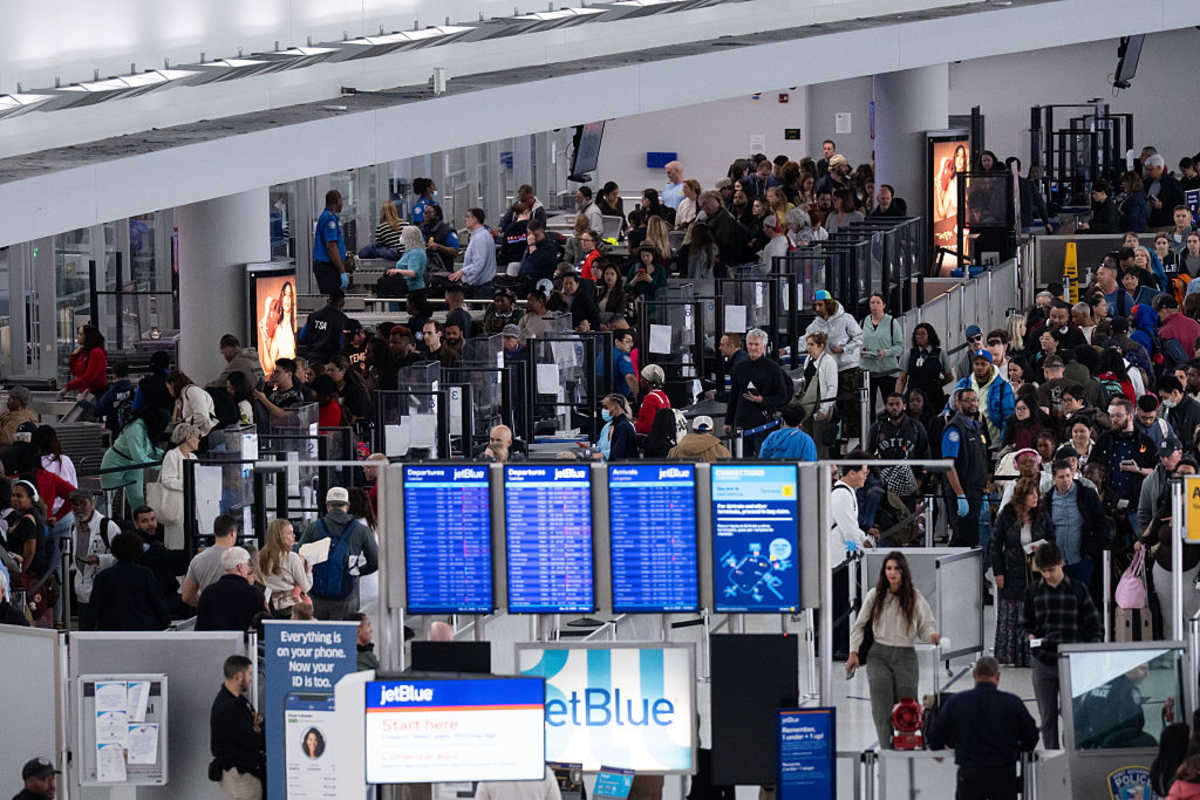
At Atlanta’s Hartsfield-Jackson International Airport, travelers were still being advised to arrive up to four hours before their flights.
Meanwhile, passengers at Baltimore’s Thurgood Marshall International Airport faced long waits - up to three hours just to check bags, followed by another two-and-a-half to three hours for security.
These mixed conditions show that while the situation is improving, it has not fully stabilized yet.
Congress yet to find long-term solution to funding fight
Even as conditions improve on the ground, there appears to be little urgency in Congress to resolve the larger issue behind the disruption.
Lawmakers left Washington for a two-week recess without reaching a final agreement, extending uncertainty around federal funding.
The Senate passed a bill to fund the Department of Homeland Security but did not include funding for ICE, a sticking point for Democrats.
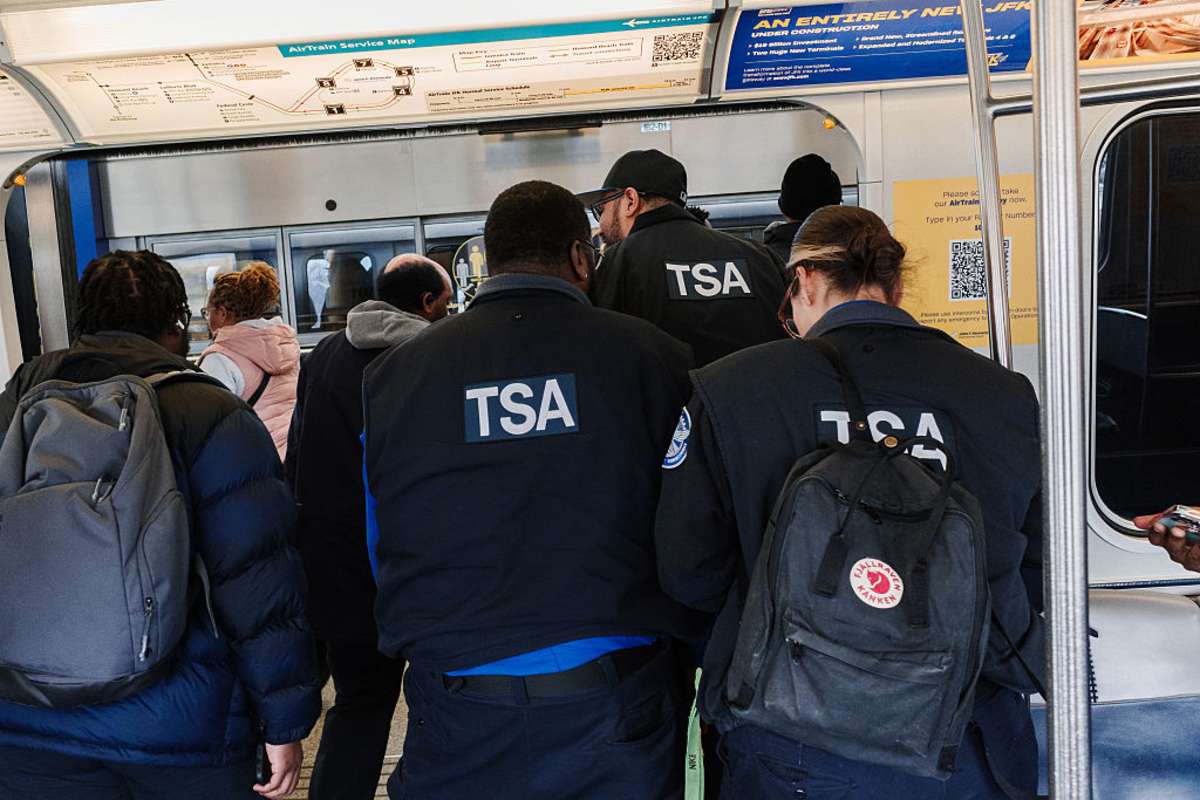
House lawmakers responded by passing their own version of a stopgap funding bill, but it has not gained support in the Senate.
Senator Ted Cruz expressed confidence that Republicans would ultimately push their plan forward.
“We are going to come back, we are going to fund ICE and border patrol for 10 years,” he said.
He also criticized Democrats, saying their opposition could lead to even stronger funding measures in the future.
TSA workers faced strain during shutdown period
The situation leading up to Trump’s order had reached a breaking point for many TSA employees.
Deputy Administrator Ha Nguyen McNeill told Congress that wait times had hit their longest levels in history, just as spring break travel was beginning to surge.
Without pay, many workers struggled to keep up with daily expenses, leading to frustration and exhaustion.
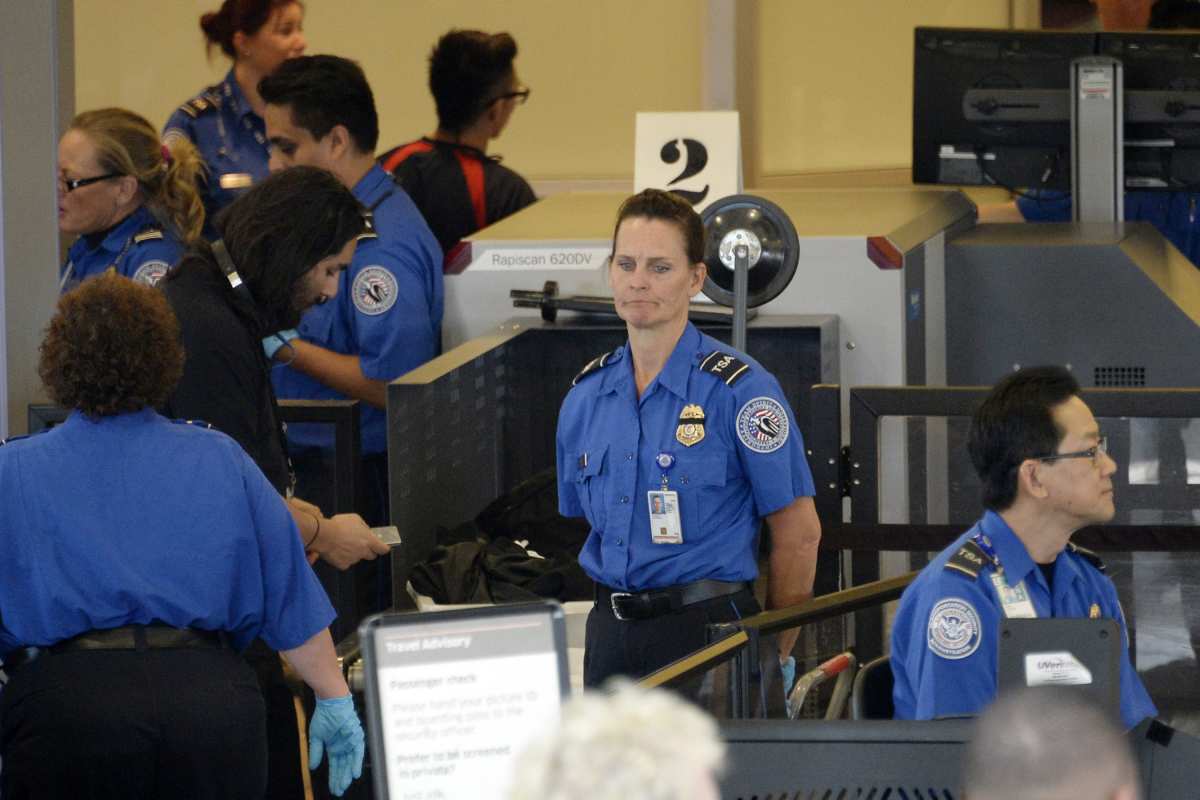
Senator John Fetterman highlighted the human side of the crisis.
“It’s an absolute failure that they’re not going to paid, that it needs that kind of intervention,” he said, adding that agents told him they were “exhausted, frustrated, and broke.”
Homeland Security Secretary Markwayne Mullin later said that TSA workers “should begin seeing paychecks as early as Monday,” offering some immediate relief.