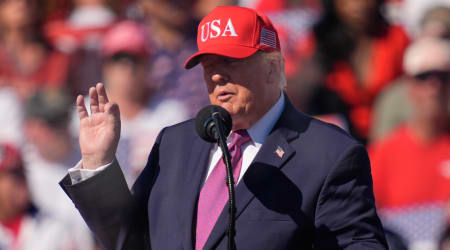
Bessent announces crack down on undocumented immigrants' 'blatant abuse' of US financial system
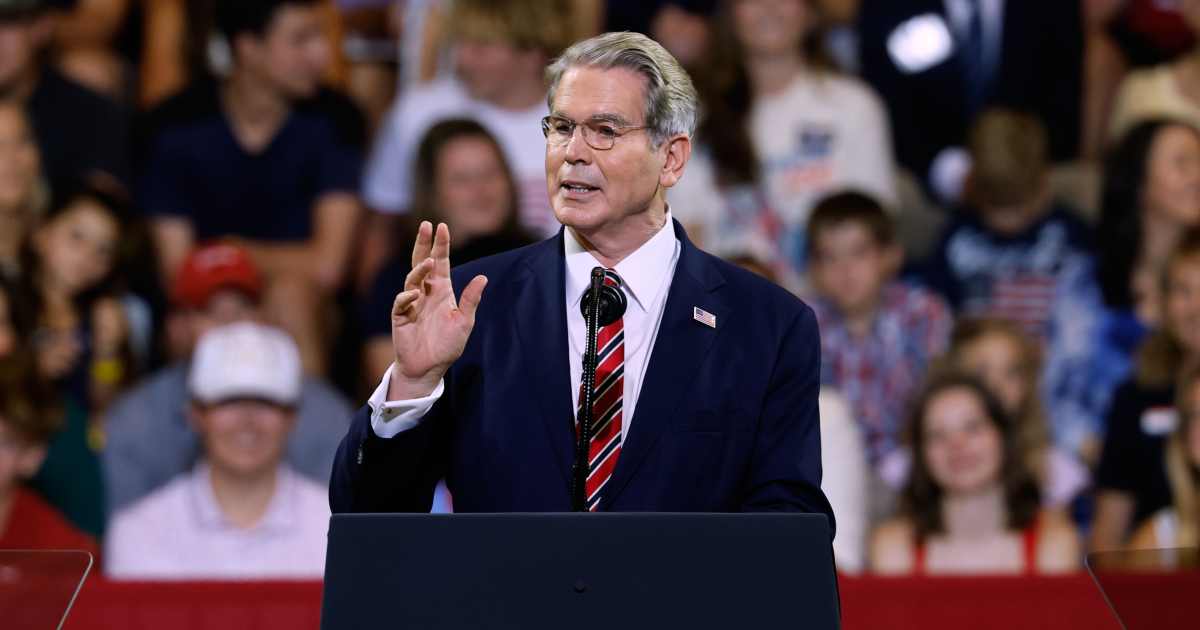
WASHINGTON, DC: Treasury Secretary Scott Bessent announced this week that the Trump administration is moving fast to target criminal organizations, cartels, and undocumented immigrants who are tapping into the US financial system for payroll scams, illicit funding, and other types of fraud.
He told the bankers the administration is relying on their help to make good on its efforts to root out fraud and financial schemes carried out by those in the US illegally.
The executive order behind Scott Bessent's push
In remarks to Arizona bankers on Thursday, August 6, Bessent said, "This administration will not tolerate blatant abuse of our financial system, nor will it permit risks posed by the extension of financial services to illegal aliens."
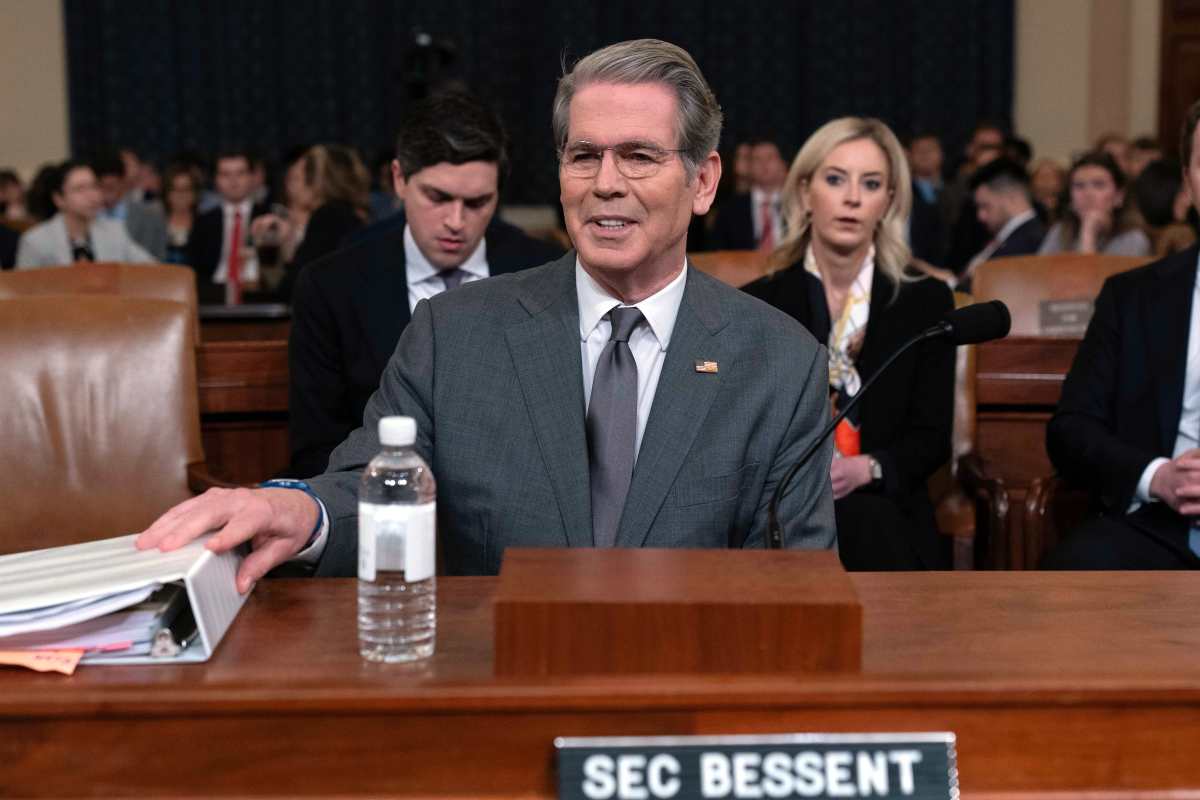
"We do not ask bankers to assume the burdens of border enforcement," the Treasury secretary remarked. "But we depend on banks to do what you do best: know your customers, identify risks as they arise, and report suspicious patterns before they metastasize into criminal schemes."
The effort stems from an executive order President Donald Trump signed on May 19 called "Restoring Integrity to America's Financial System," which tells the Treasury Department, along with the Federal Reserve, OCC, FDIC, National Credit Union Administration, and Consumer Financial Protection Bureau, to step up oversight of financial activities tied to unauthorized employment.
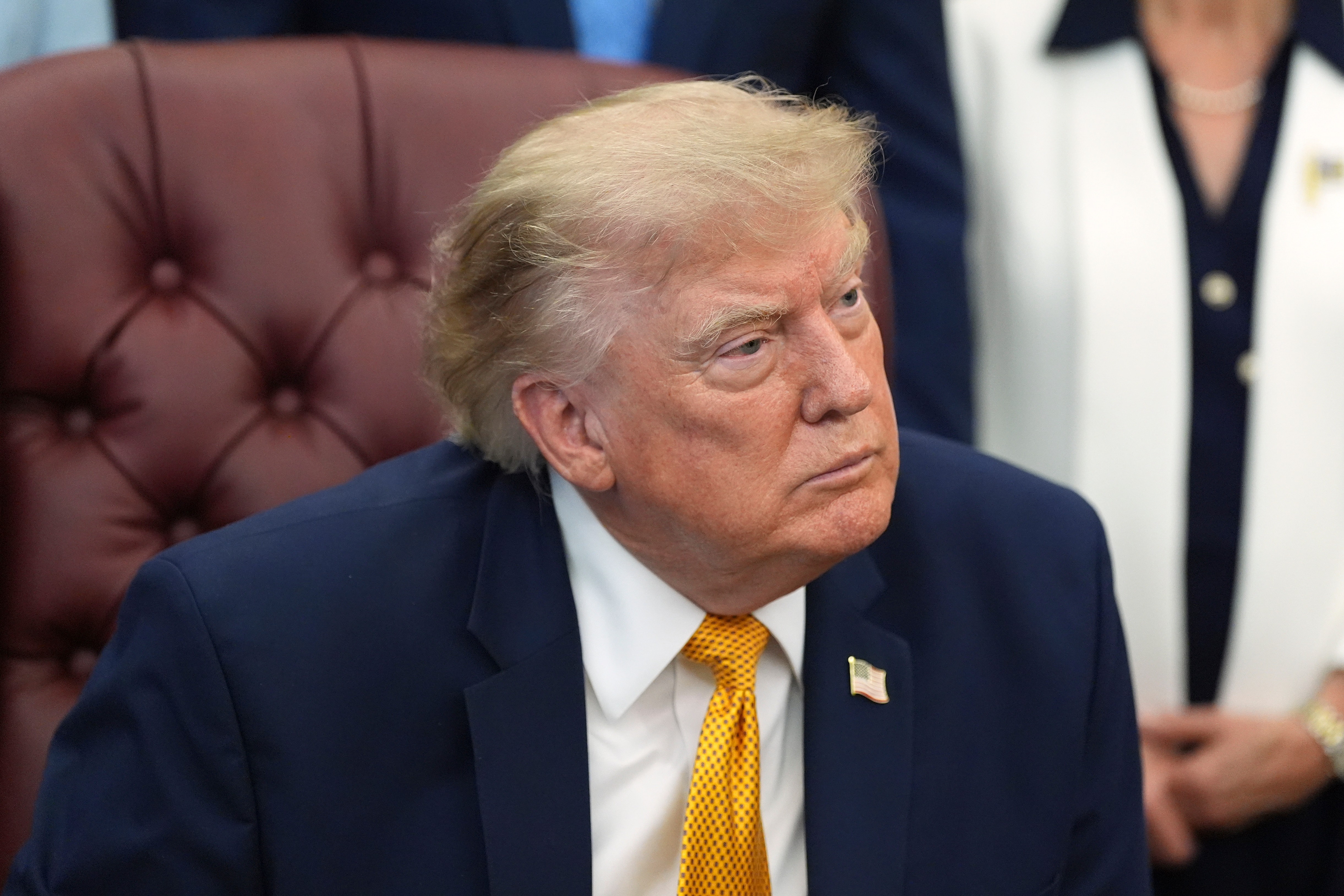
The order sets some pretty clear deadlines, too: agencies have 60 days to release advisories and guidance, 90 days to roll out a proposed customer due diligence rule, and 180 days to put forward a new customer identification proposal. That last piece is due by mid-November.
Scott Bessent claims initial guidelines met
Bessent said the Treasury Department has met the order's first deadlines.
In June, the Financial Crimes Enforcement Network issued guidance to help banks spot patterns tied to unlawful employment, labor brokers, shell companies, payroll tax evasion and identity theft.
The Office of the Comptroller of the Currency then issued an advisory telling banks to consider a borrower’s “willingness and capacity to repay” when deciding on loans for people who aren’t authorized to work in the US.
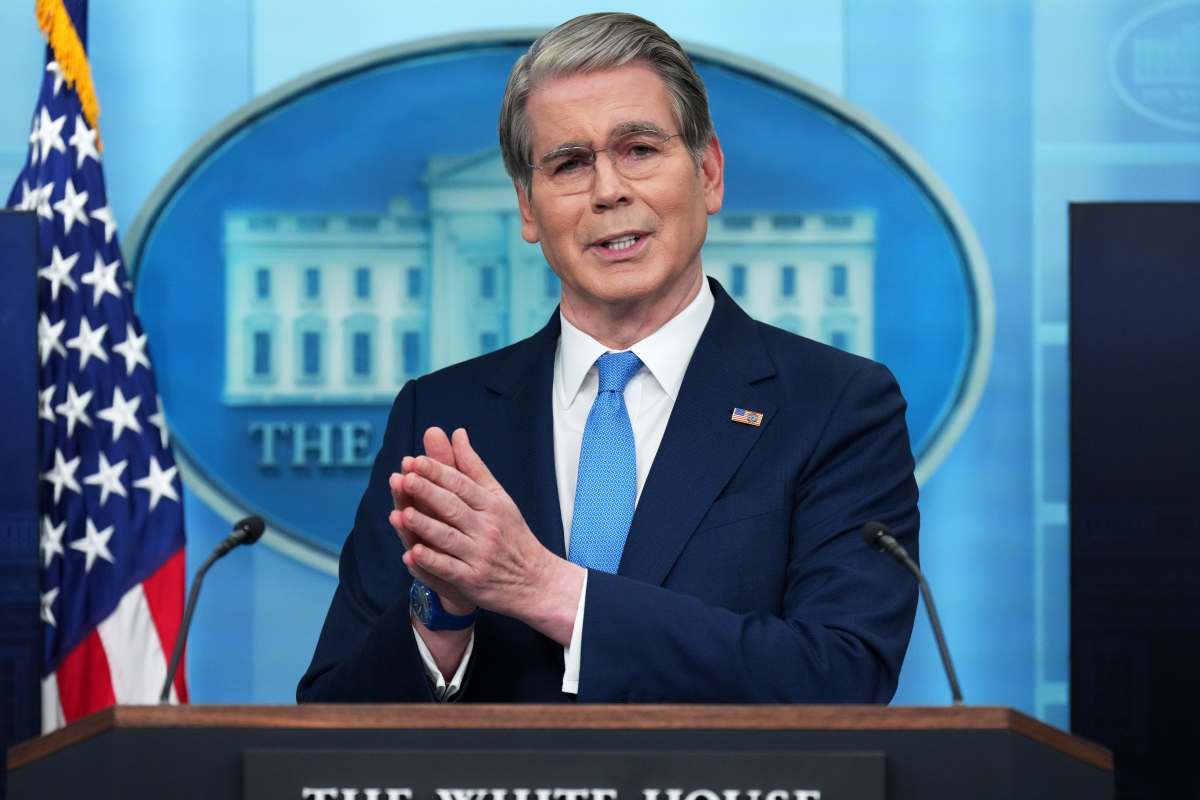
Bessent went out of his way to praise Arizona banks for solid compliance programs, solid employee training, and the way they share information.
He said those efforts really capture the partnership the executive order wants to see. He also promised that Treasury will give banks better tools to spot fraud sooner.
Legal and tax analysts caution that the order's effectiveness will depend on how the regulations are written.
Federal regulators had until July 20 to issue credit-risk guidance, while Treasury faces an August 17 deadline to propose changes to customer due-diligence rules, with a broader customer identification proposal due by November 16.