Bush draws on Washington’s example to critique Trump’s leadership style
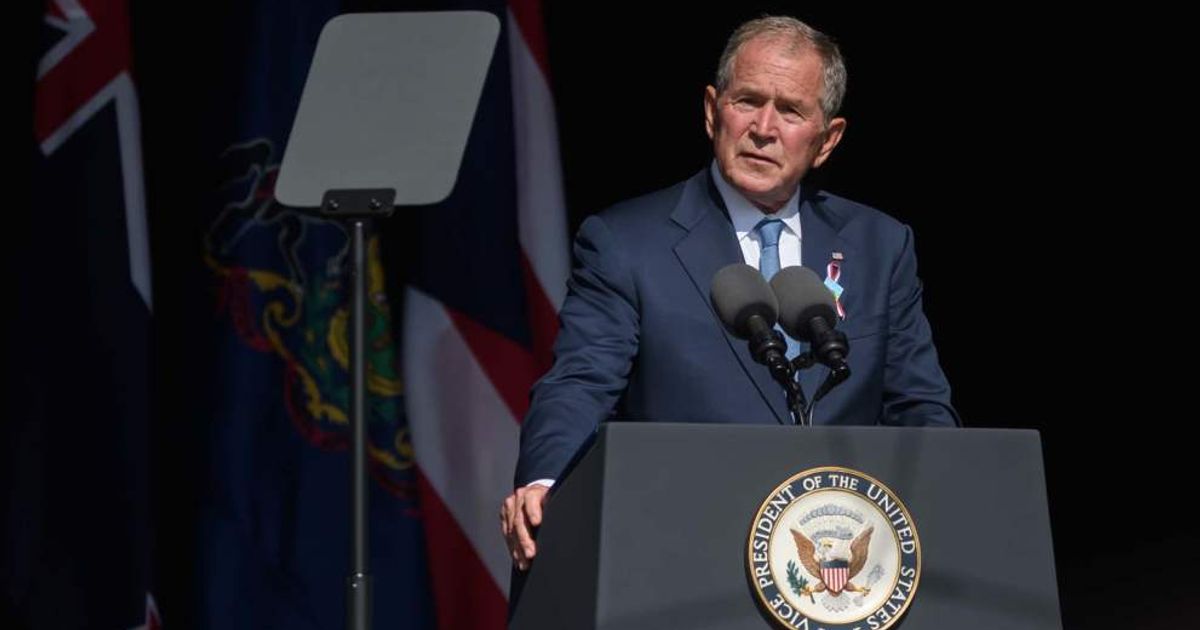
WASHINGTON, DC: Former President George W. Bush commemorated Presidents’ Day on Monday, February 16, with a written reflection on presidential leadership, emphasizing the importance of humility, restraint, and the peaceful transfer of power.
In an essay published in the Substack newsletter "In Pursuit," Bush explored the example set by George Washington, highlighting traits such as self-discipline and a willingness to relinquish authority. Although he did not mention Donald Trump by name, his focus on the dangers of “selfish ambition” and the potential for the abuse of power resonated in the current political climate.
Bush noted that during his time in office, he often looked to past presidents for guidance. He cited the resolve of Abraham Lincoln, the decisiveness of Harry Truman, and the optimism of Ronald Reagan as characteristics that helped the nation navigate periods of crisis. He paid particular attention to Washington, describing his leadership as foundational to the role of the American presidency.
Character defined by humility and restraint

Bush argued that Washington's character significantly influenced the expectations of the presidency from its inception. He identified humility, perseverance, and an "indomitable will" as key traits that allowed Washington to inspire loyalty while avoiding excess.
According to Bush, Washington's most crucial decision was to step down from power, first after the Revolutionary War and then after serving two terms as president.
"George Washington's humility in willingly relinquishing power remains one of the most consequential decisions and a vital example in American politics," Bush wrote.
He emphasized that Washington prioritized the nation's interests over personal authority, reinforcing the principle that the presidency exists to serve the republic rather than the individual. Bush also noted that Washington's restraint prevented the office from acquiring what he called “near-mythical powers.”
Trust earned through limited power
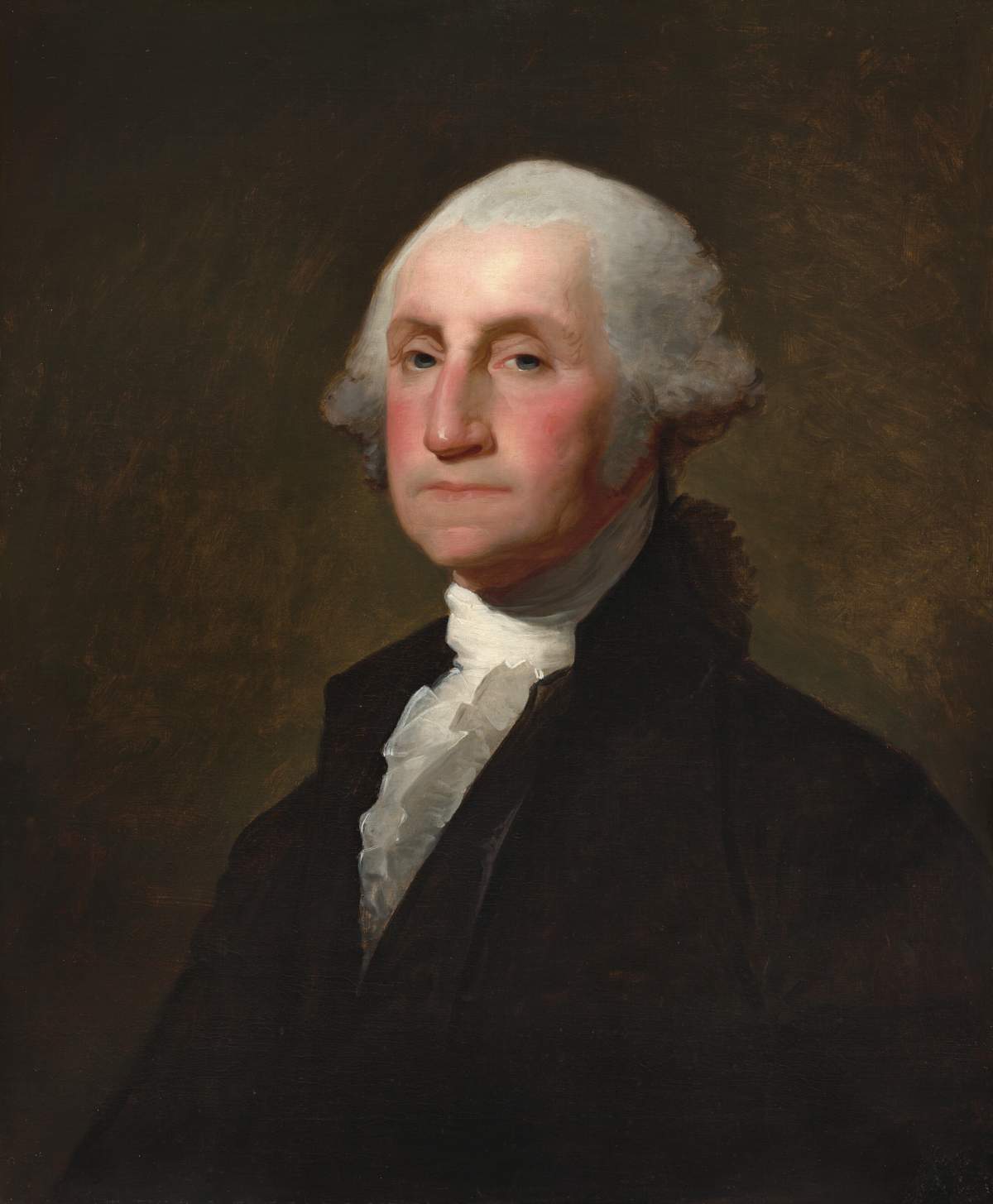
Bush recounted Washington’s return to public life in 1787 during the failure of the Articles of Confederation. He noted that Washington was asked to preside over the Constitutional Convention because he was widely viewed as a unifying figure.
Bush suggested that Washington’s peers trusted him with significant authority precisely because they believed he would not misuse it.
The former president wrote that Washington’s belief in limited power helped establish public confidence in the young republic. By prioritizing consensus-building over personal ambition, Bush argued, Washington set a precedent for how presidents should navigate division. He framed this approach as central to maintaining national unity during moments of political strain.
Institution provides stability to the state

In closing, Bush stressed that the presidency as an institution outweighs any individual who occupies it. He described the office as the “ballast to our ship of state,” providing continuity during uncertain times. That stability, he wrote, rests on the Constitution and the example set by Washington’s conduct.
“For that stability, we are indebted to the wisdom of our founding fathers’ governing charter and the humility of our nation’s first president,” Bush stated. He expressed confidence that adherence to those principles would sustain the country in the decades ahead.