Cardi B praises Saudi Arabia as cleaner and safer than ‘ghetto’ America during visit
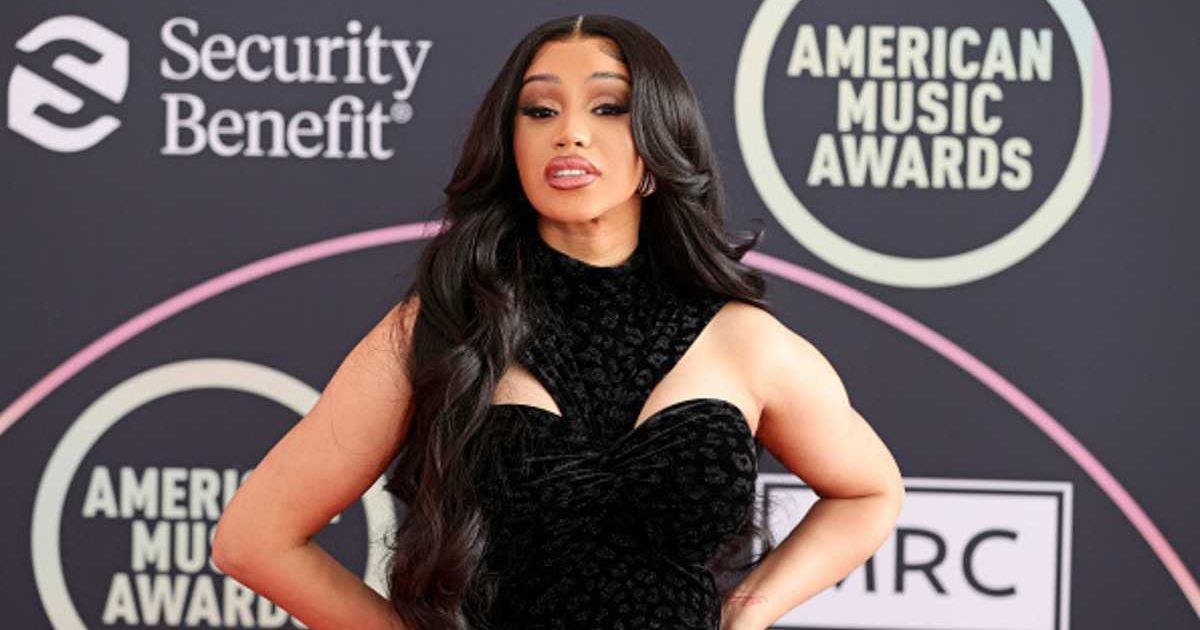
RIYADH, SAUDI ARABIA: Cardi B is facing strong reactions online after praising life in Saudi Arabia while sharply criticizing the United States, calling it “ghetto” and “dusty” during a recent livestream.
Speaking to fans earlier this month while visiting the Middle Eastern country, the rapper said she was struck by Saudi Arabia’s cleanliness, strict laws, and what she described as a lack of visible homelessness compared to conditions she sees in the US.
Her remarks came during a December trip, as she joined a growing number of American artists performing overseas amid expanding entertainment events in the region.
Cardi B describes Saudi Arabia laws as strict but easy to follow
Cardi B did not shy away from discussing Saudi Arabia’s legal system, repeatedly stressing how severe the consequences can be for breaking the law.
“I’m in Saudi Arabia and, so far, let me tell y’all about my experience,” she said during the livestream. “It’s very strict out here. They will put you under the jail.”
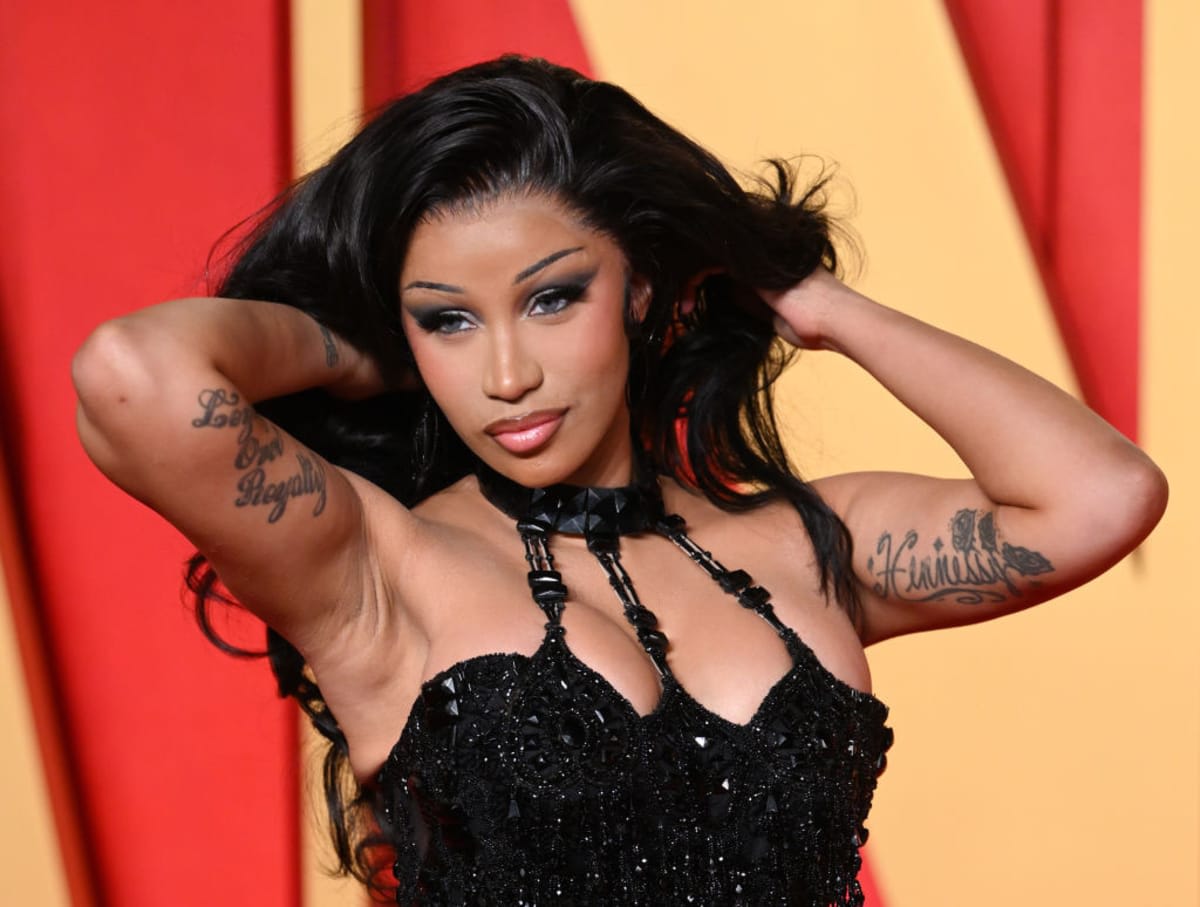
She emphasized that authorities do not tolerate rule-breaking.
“They ain’t playing around. Yeah, you will go to prison. Yeah, yeah, mess around and you’ll find out,” she added.
Despite that, Cardi B said she found the expectations straightforward.
“However, it is very easy to follow the rules here,” she said. “The rules are very simple.
Cardi B praises Saudi Arabia cleanliness and public order
What appeared to stand out most to Cardi B was the environment around her. Throughout the livestream, she repeatedly commented on how clean and orderly Saudi Arabia felt.
She admitted she had reservations before arriving.
“I was scared to come here because of restrictions on women and gays and everything,” she said.
At the same time, she acknowledged changes over the years, referencing reforms such as women being allowed to drive starting in 2018.
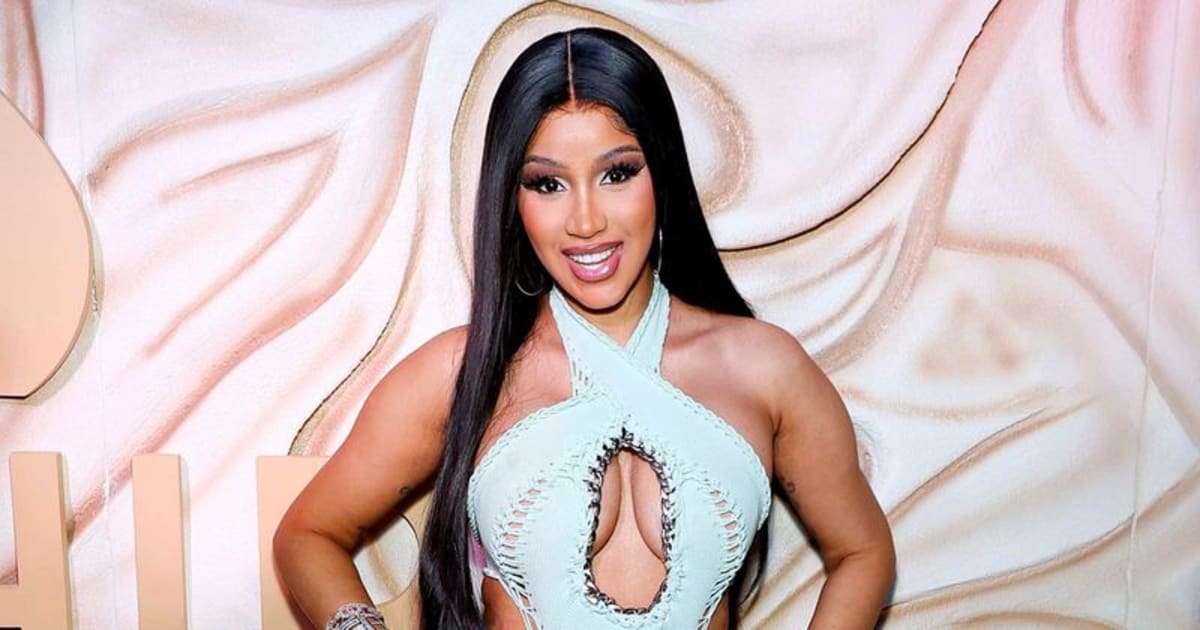
Still, she noted that religious restrictions remain firmly enforced. When the clock struck 11:11 pm, Cardi B stopped herself from making the sign of the cross.
“I don’t even want to do the… you know what I’m saying? It’s illegal over here,” she said. “You can only believe in Allah over here.”
“Can’t wear no crosses or nothing,” she added. “They don’t be playing over here.”
Cardi B criticizes America over taxes and feeling unappreciated
Cardi B then turned her frustration toward the US, saying she felt increasingly disconnected from her home country.
“I’m starting not to like America,” she said. “America makes me pay taxes. The vice president is talking s**t about me on Twitter. I don’t feel real appreciated in America.”

She questioned why she should even want to return.
“Why would I? Look at this country. Look how they treat me,” she said.
Her tone sharpened as she compared the two countries.
“It’s ghetto over there,” she added, referring to the US.
Cardi B comments on US homelessness spark backlash online
One of Cardi B’s most controversial remarks focused on homelessness in America, which she contrasted with what she claimed to see in Saudi Arabia.
“America just got no courtesy. We ghetto. We just dusty,” she said. “And I’m an American myself, honey, but goddamn.”

She continued, “This country is so clean. I haven’t even seen a bum. I don’t think there’s bums here.”
The comments quickly drew criticism online, with some accusing her of ignoring how Saudi Arabia handles poverty and dissent, while others argued she was simply describing her personal experience.
Cardi B urges respect for Saudi culture after return to US
Despite acknowledging the country’s restrictions, Cardi B said Americans often struggle to respect cultural boundaries abroad.
“You just got to have respect,” she said. “Americans don’t be respecting other people’s stuff.”
Her praise came amid ongoing international criticism of Saudi Arabia over human rights concerns, including the 2018 killing of journalist Jamal Khashoggi and limits on religious expression.
After leaving Saudi Arabia, Cardi B shared another video expressing frustration as she returned to the US, writing that she was struggling with the transition back home.