Clay Travis defends saying 'so-called Epstein victims' on Piers Morgan, points to $100M settlements
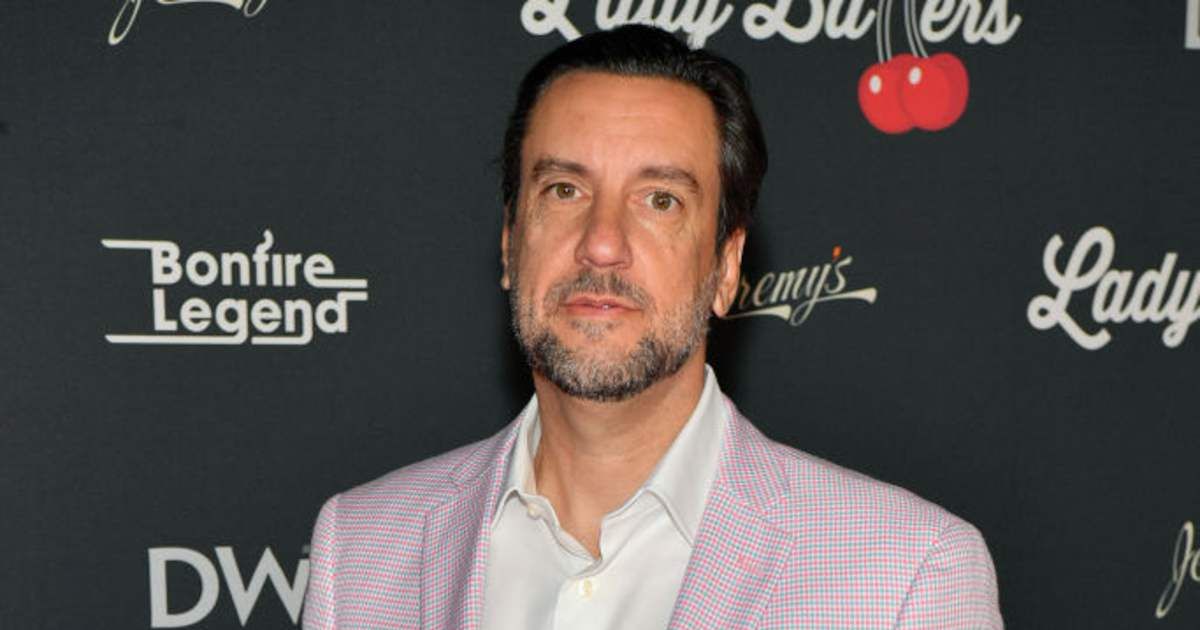
WASHINGTON,DC: Conservative commentator and OutKick founder Clay Travis is standing by remarks he made about victims of Jeffrey Epstein during a contentious appearance on 'Piers Morgan Uncensored'.
Appearing on the show on Thursday, February 12, Travis referenced “so-called Epstein victims” and highlighted the more than $100 million paid out through settlements tied to Epstein’s estate.
The exchange quickly escalated after Democratic strategist and former senior adviser to Kamala Harris, Mike Nellis, challenged Travis’ wording.
Thanks for sharing. I shared this yesterday. The Epstein women received over $100 million in payouts from his estate. After taking the payments they have been alleging other men victimized them for over a year yet they haven’t filed any lawsuits or named any names. They should. https://t.co/SCTwNBqWwy
— Clay Travis (@ClayTravis) February 13, 2026
Clay Travis and Mike Nellis clash
During the segment, Travis referred to “the so-called Epstein victims who have received over 100 million dollars.”
Nellis immediately objected, responding: “So-called, so-called Epstein victims. I think we should probably call that out for what that is. That’s a lie.”
Travis pushed back saying “No, no, it’s not. They were so- called Epstein victims. They are Epstein victims and they have been paid,” he said.
“They can come out and say, no one is stopping them. I would welcome and I would encourage them, come out and tell your story.”
Nellis replied bluntly: “This is embarrassing for you.”
Clay Travis doubles down on criticism of Epstein survivors
After the episode aired, Travis reposted a clip of the exchange on X and elaborated on his position.
“The Epstein women received over $100 million in payouts from his estate,” he wrote on X.
“After taking the payments they have been alleging other men victimized them for over a year yet they haven’t filed any lawsuits or named any names. They should”, Travis added.

In the same thread, Travis mentioned, "These women didn’t have press conferences for four years while Joe Biden was in office. Not one Democrat cared about them at all. So file lawsuits and name names. There’s no reason not to do so. In fact, it’s far better to hold people accountable and let the courts decide."
These women didn’t have press conferences for four years while Joe Biden was in office. Not one Democrat cared about them at all. So file lawsuits and name names. There’s no reason not to do so. In fact, it’s far better to hold people accountable and let the courts decide.
— Clay Travis (@ClayTravis) February 13, 2026
In a separate post, he asked, "If you had been victimized by men who are still alive would you sue those men and publicly name them thereby leading to criminal charges against them or show up at a public hearing and taunt the attorney general while remaining silent about the men who allegedly abused you?"
If you had been victimized by men who are still alive would you sue those men and publicly name them thereby leading to criminal charges against them or show up at a public hearing and taunt the attorney general while remaining silent about the men who allegedly abused you? https://t.co/oAVPpLb2Gp
— Clay Travis (@ClayTravis) February 13, 2026
Epstein survivors demand justice
Epstein’s estate established a compensation program following his 2019 death in federal custody while awaiting trial.
The fund approved dozens of claims and distributed more than $100 million to accusers.
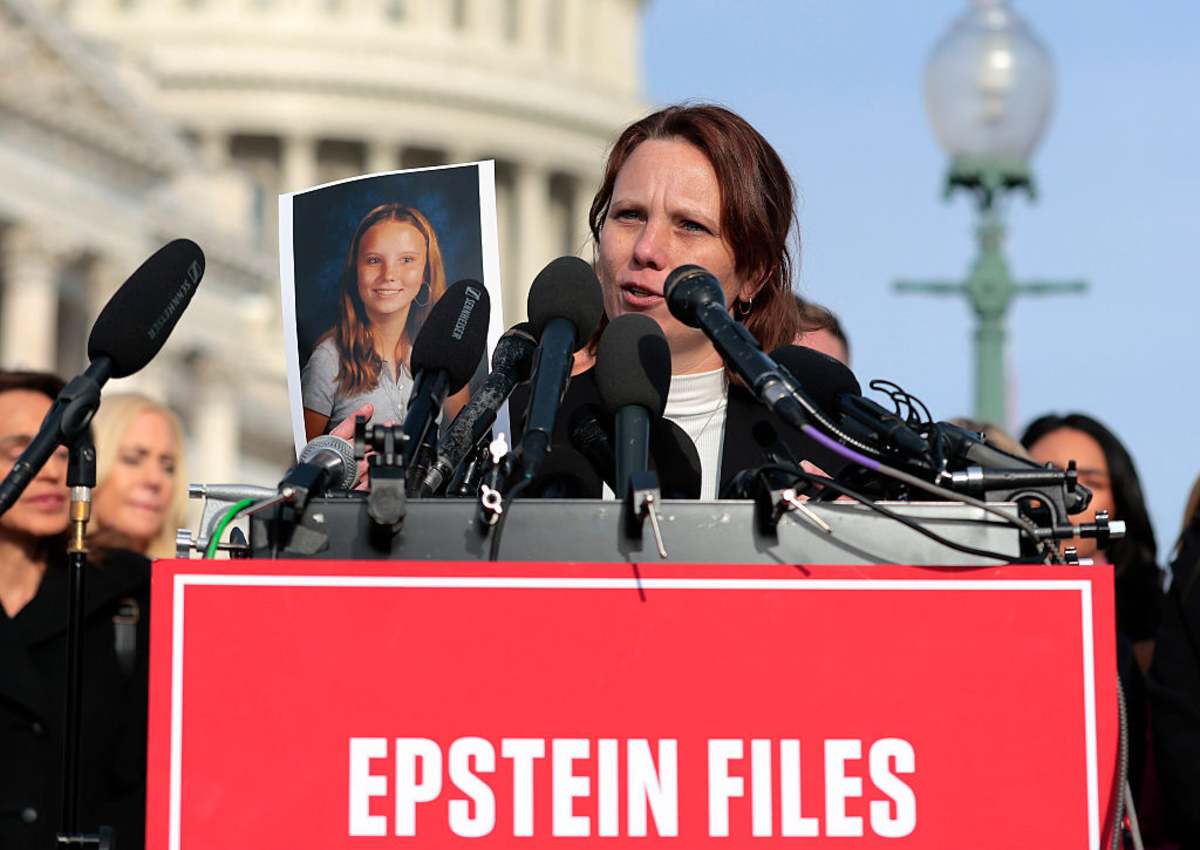
In recent years, some victims and their attorneys have continued to call for the release of additional investigative materials and have publicly alleged that other powerful individuals were involved.
Previously, conservative commentator Matt Walsh had raised a similar question, prompting a response from Elon Musk, where he vowed to pay for the legal aid of any Epstein survivor who names their abuser and is sued for it.
Legal experts note that settlement payments from an estate do not preclude individuals from filing separate civil suits, though decisions about litigation can depend on evidentiary standards, statute-of-limitations questions and personal considerations.