Days after controversial Iowa blast, EPA reveals test results and how monitoring will continue
WASHINGTON, DC: Days after the US Army carried out a detonation of expired and degraded explosives in Iowa, the Environmental Protection Agency (EPA) released its observations on whether the detonation impacted the air, soil, and water of the region.
The fear around the potential impact of toxic lead contaminating the air, soil, and water in the region raised questions about the administration’s decision and ignited backlash.
EPA finds no lead rise in first results
Sharing the results of the initial soil and water testing in Iowa after the detonation of nearly five tons of lead azide, the EPA said that there were no elevated lead levels days after the operation was carried out.
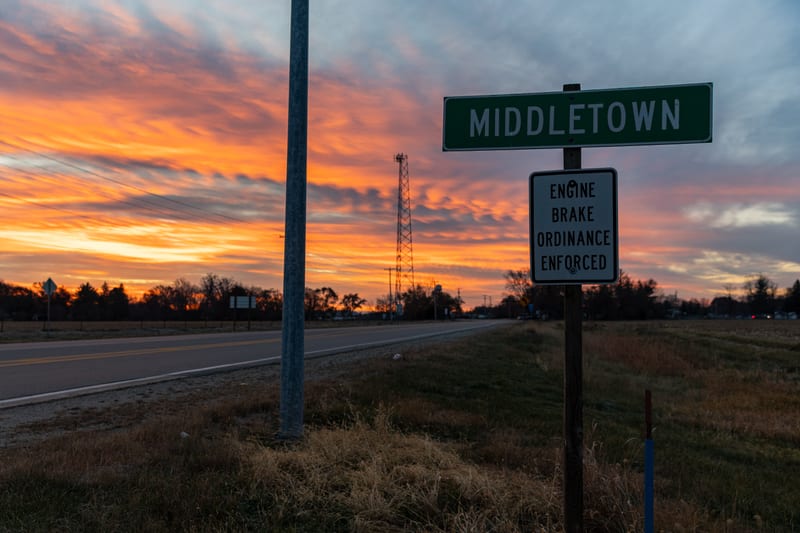
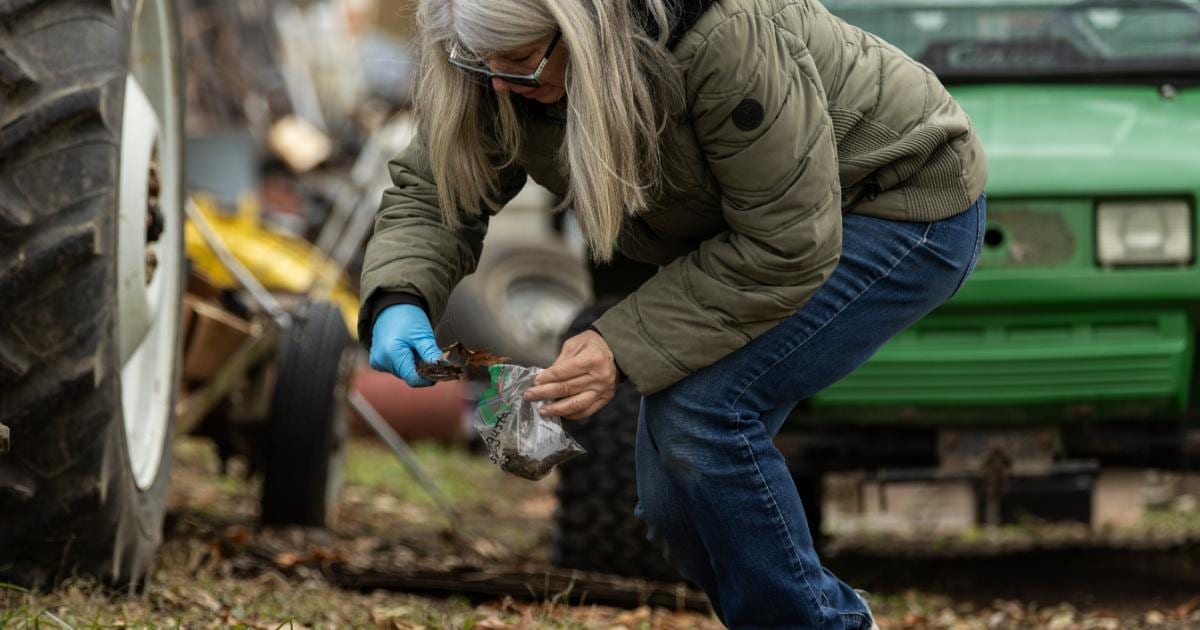
Revealing how the agency reached the results, the EPA said it has collected more than 3,200 air, water, soil and dust samples around the Middletown site, including 1,632 samples taken before the explosion and 1,607 collected after it.
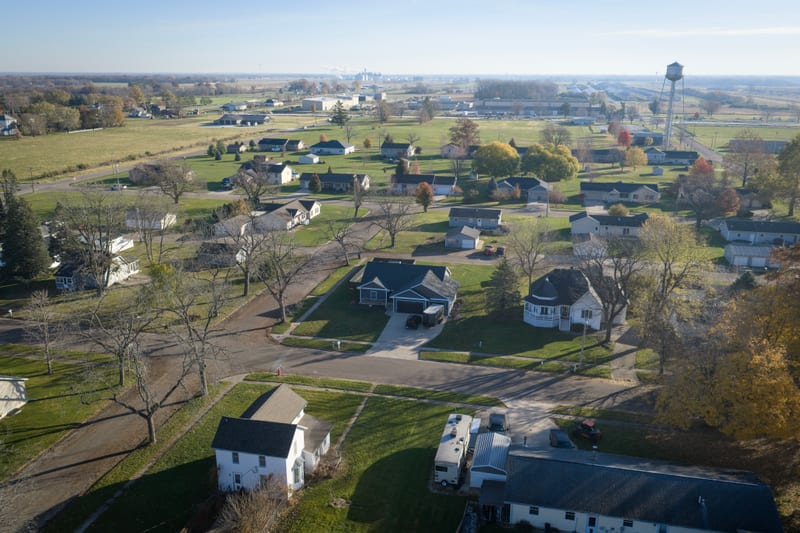
Conditions at 187 structures were observed before and after the explosion, along with "a combination of 27 public parks with playgrounds, schools, daycares, and churches."
The agency also said that "EPA staff have also been collecting data on farms, drinking water systems, and across the Mississippi watershed."
“At the time of this press release, initial lab results from EPA’s post-detonation sampling show that the controlled detonation did not result in an elevation of lead in water bodies that serve as sources of drinking water,” the press release by the agency read.
Some homes still untested as results come in
The press release that the agency shared on Saturday, November 28, specified that post-detonation sampling is completed at only 88% of homes that were sampled pre-detonation, making it clear that the results are not absolute.
“Some sampling teams have not yet been able to access certain private properties due to residents not being at home,” the agency said.
In its news release, the EPA said it found no lead in 38 water samples collected after the detonation from public water supplies, including treated drinking water and untreated water at intake points. The agency also reported no detectable airborne lead for 30 consecutive hours after the blast.
However, the findings are based on the samples collected so far, with the 38 water samples offering only an initial picture of conditions following the detonation.
The long-term environmental effect of the explosion also remains unknown, as initial results offer a snapshot of conditions in the days after the detonation. They do not establish whether lead could pose environmental risks over a longer period.
How will the EPA monitor the area going forward?
The EPA is executing a multiphase air, water, soil and surface monitoring plan. Under the terms of the emergency permit, environmental monitoring of the area is required to continue through February 11, 2027.
The EPA will continue to monitor air quality in the region through fixed air monitors, which record readings every five minutes to check for possible airborne lead.
Its teams are also replacing air collection devices to test for lead particles and examining special containers used to detect other chemicals and byproducts in the air.