'Deeply ashamed': Larry Summers retires amid Epstein scandal at Harvard
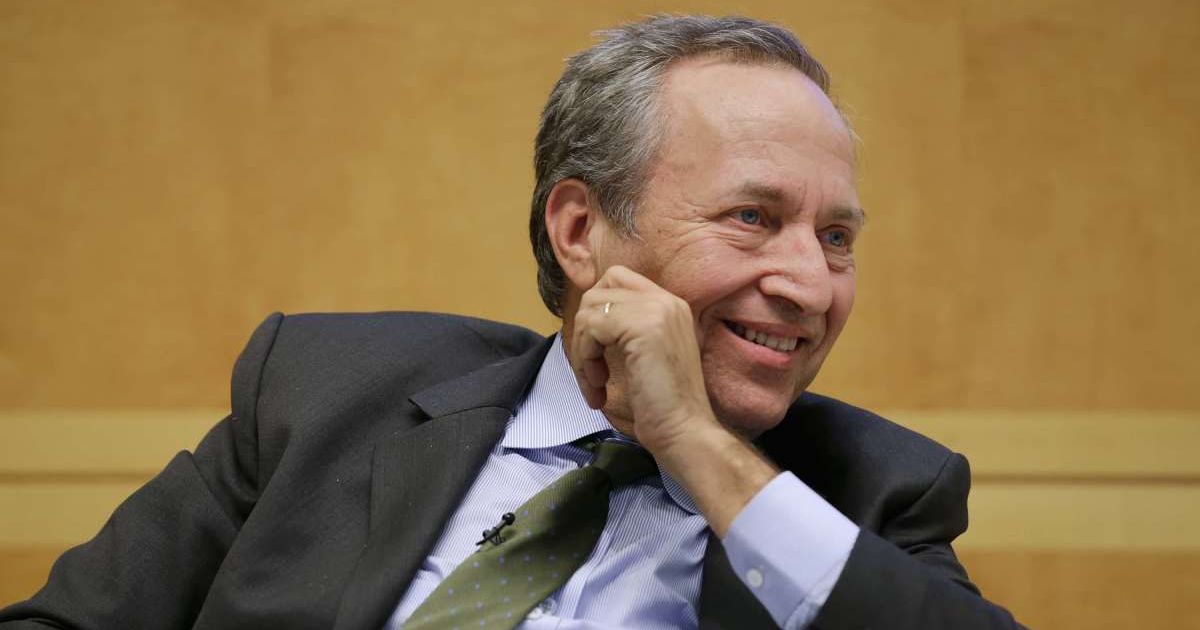
CAMBRIDGE, MASSACHUSETTS: Larry Summers announced on Wednesday, February 25, that he would retire from his tenured professorship at Harvard University at the end of the academic year.
The decision followed months of renewed scrutiny over his past communications with Jeffrey Epstein and a university review of faculty connections to the financier.
“I have made the difficult decision to retire from my Harvard professorship,” Summers said in a statement. “I will always be grateful to the thousands of students and colleagues I have been privileged to teach and work with since coming to Harvard as a graduate student 50 years ago.”
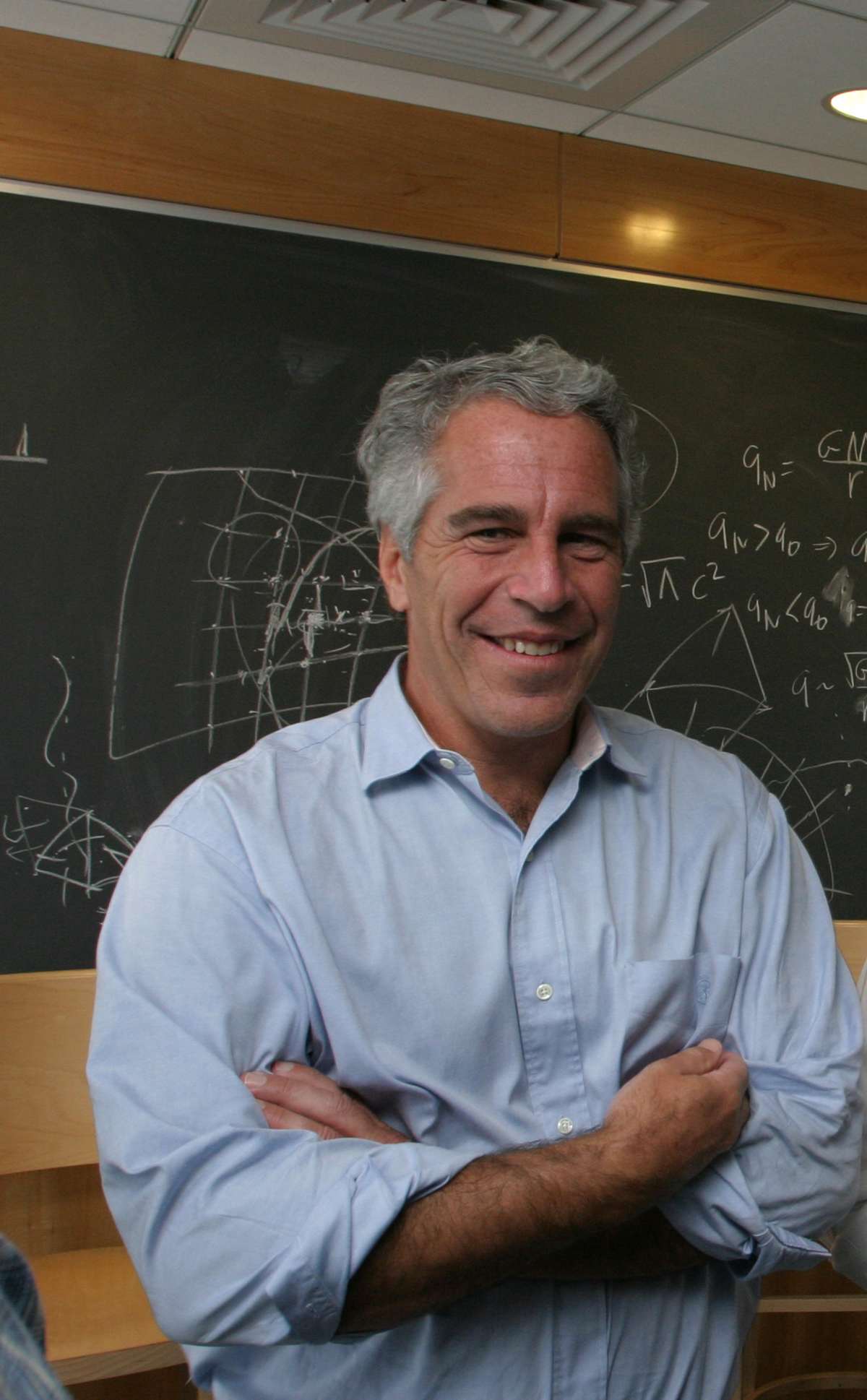
Emails with Jeffrey Epstein prompted review and public criticism
Summers’ association with Epstein had been known for years, but a tranche of emails released by the House Oversight Committee last year revealed the two men had remained in contact through 2019, shortly before Epstein’s arrest on federal charges.
The correspondence included personal exchanges, among them messages in which Summers sought Epstein’s advice about pursuing a relationship with a woman he described as a mentee.
In another email, Summers commented on workplace dynamics and the professional consequences men may face for “hit on” behavior.
The disclosures prompted criticism from students, faculty members and some elected officials, who questioned Summers’ judgment in maintaining communication after Epstein’s prior conviction became public.
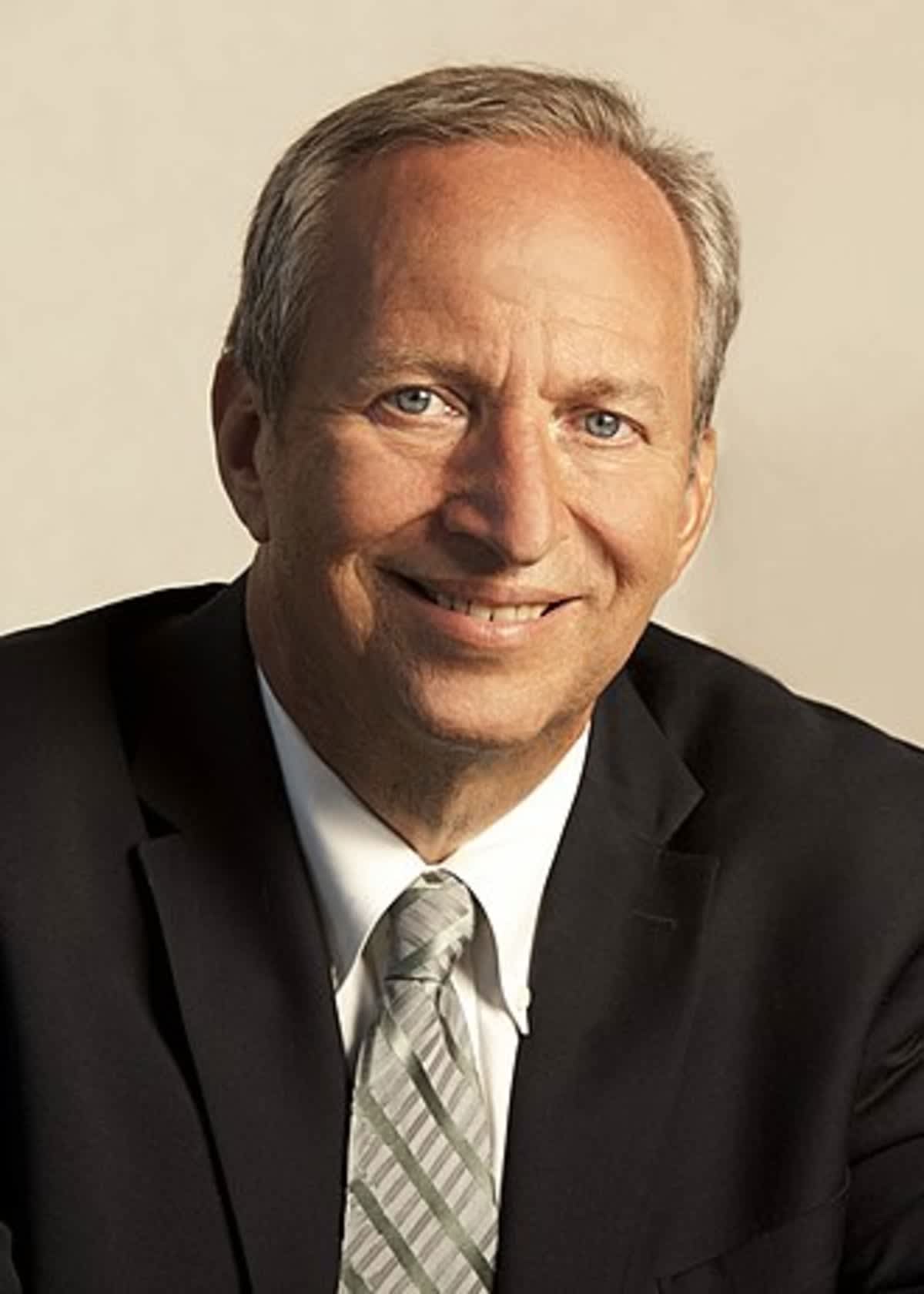
“I am deeply ashamed of my actions and recognize the pain they have caused,” Summers said in November.
“I take full responsibility for my misguided decision to continue communicating with Mr Epstein.” Summers has not been accused of participating in Epstein’s criminal enterprise.
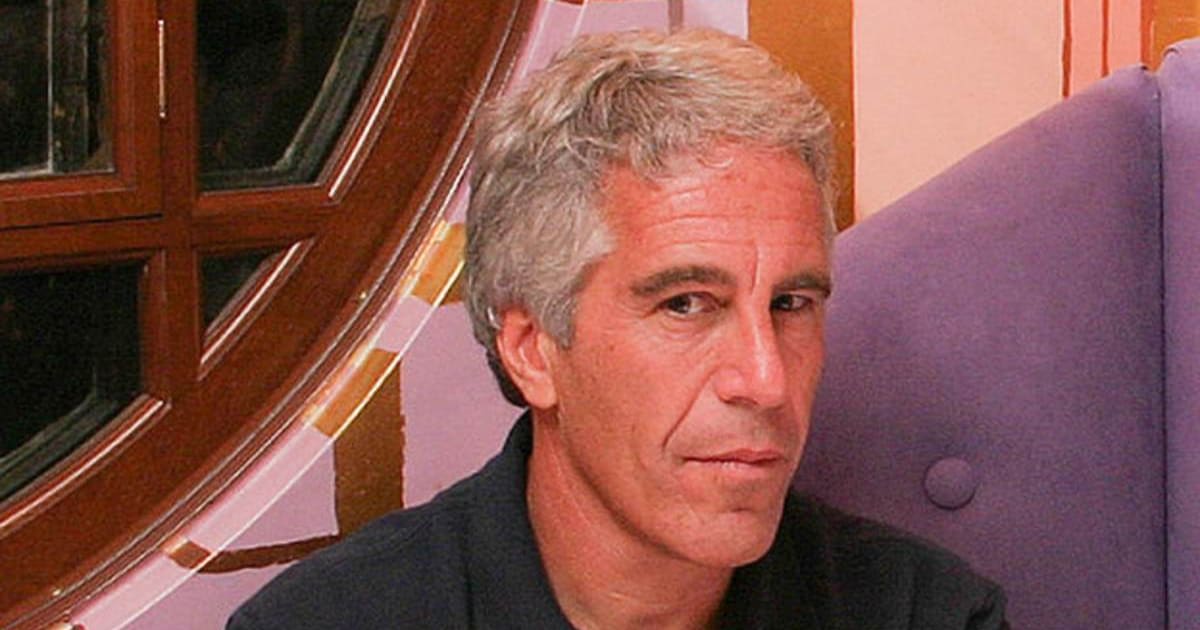
After the emails became public, Summers stepped back from his teaching duties and resigned from his role as director of Harvard’s Mossavar-Rahmani Center for Business and Government.
He also withdrew from several public commitments, including leaving the board of the OpenAI Foundation. Harvard confirmed that he had been on leave while the university reviewed faculty ties to Epstein.
Larry Summers closes a long and controversial career
Summers’ retirement concludes a decades-long association with Harvard.
He earned his PhD in economics from the university in 1982 and became one of its youngest tenured professors the following year.
He later served as treasury secretary under President Bill Clinton and as a top economic adviser to President Barack Obama before returning to Harvard as president in 2001.
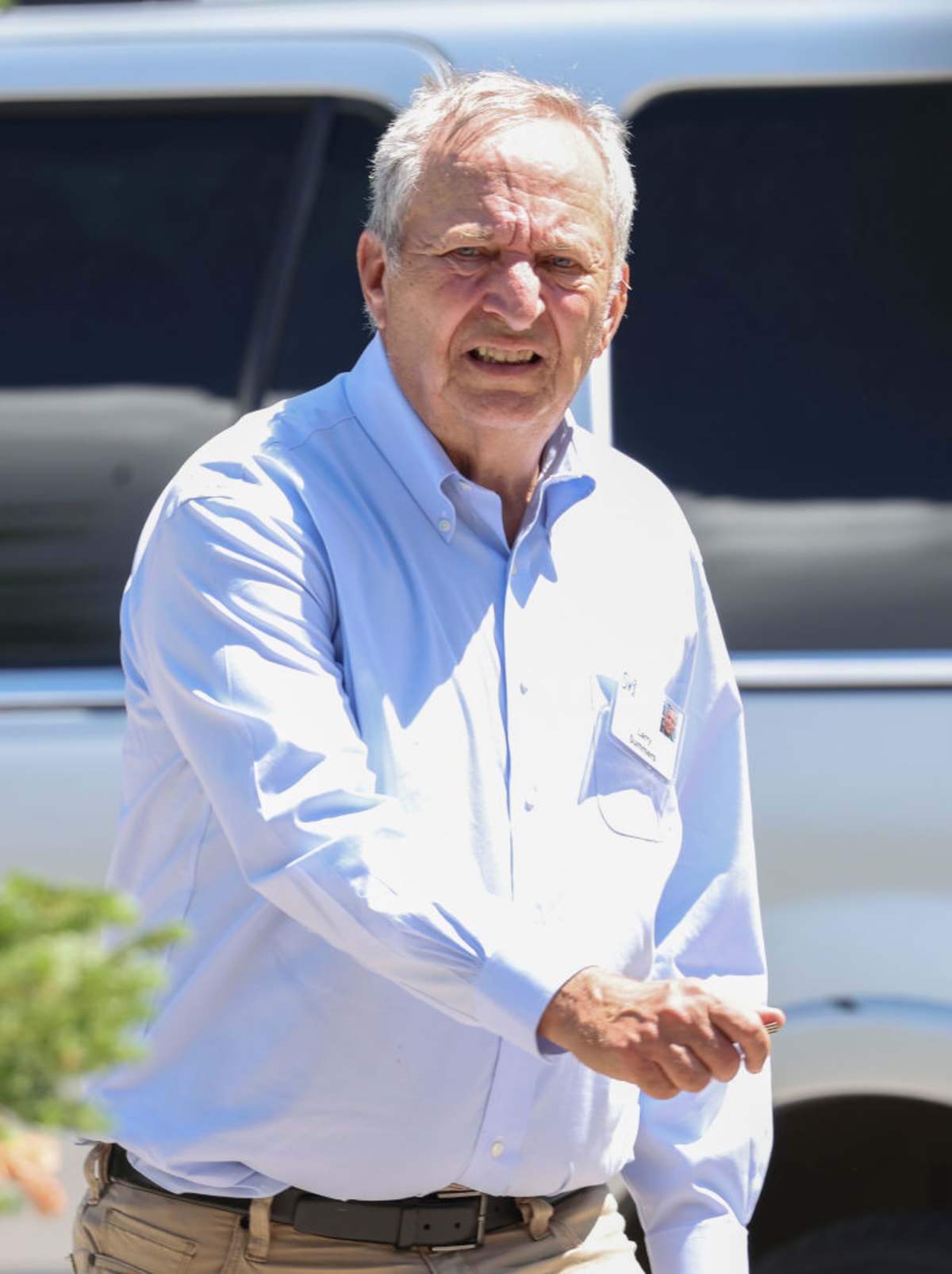
His presidency ended in 2006 following controversy over remarks he made at a 2005 conference suggesting possible differences in aptitude between men and women in science and engineering fields.
He later apologized and said that his comments had been misconstrued. After stepping down as president, he was appointed a 'University Professor', Harvard’s highest faculty rank, a title he held for nearly 20 years.

Under Harvard policy, tenured professors can be removed “only for grave misconduct or neglect of duty” by the Harvard Corporation, the university’s governing body.
It was not clear whether that process was considered in Summers’ case. “Free of formal responsibility, as President Emeritus and a retired professor, I look forward in time to engaging in research, analysis, and commentary on a range of global economic issues,” Summers said in his statement.