Democrats embrace podcasts and influencers to close the digital gap with Republicans
WASHINGTON, DC: Democrats are reassessing their digital strategy following losses in the 2024 election, as party leaders and strategists acknowledge they were outmatched online by conservative media networks with broader reach and deeper funding.
Observers say the setback has accelerated efforts to build a more coordinated progressive media presence capable of competing across podcasts, social platforms, and alternative news outlets.
Kyle Tharp, author of the 'Chaotic Era' newsletter, has tracked these developments since launching the publication shortly before President Donald Trump’s second inauguration.
Tharp said in an interview with The Guardian, published on Sunday, December 28, that while conservatives continue to dominate much of the digital space, new progressive voices are beginning to gain traction.
The 2024 wake-up call

Tharp said that the 2024 election underscored a disconnect between traditional political reporting and the digital ecosystems shaping voter perceptions.
"I was really shocked by the election results," Tharp said. "The traditional political press corps and the stories that I was reading were not capturing a lot of the different forces that were impacting our politics."
He said that the gap prompted him to more closely track emerging online platforms and creators influencing political discourse.
The podcast pivot
One area of renewed focus has been podcasting.
Tharp said Democratic officials have increasingly turned to long-form podcast interviews as a way to reach voters without relying on legacy media.
"Democrats have sat down for hundreds of podcast interviews this year," Tharp said.
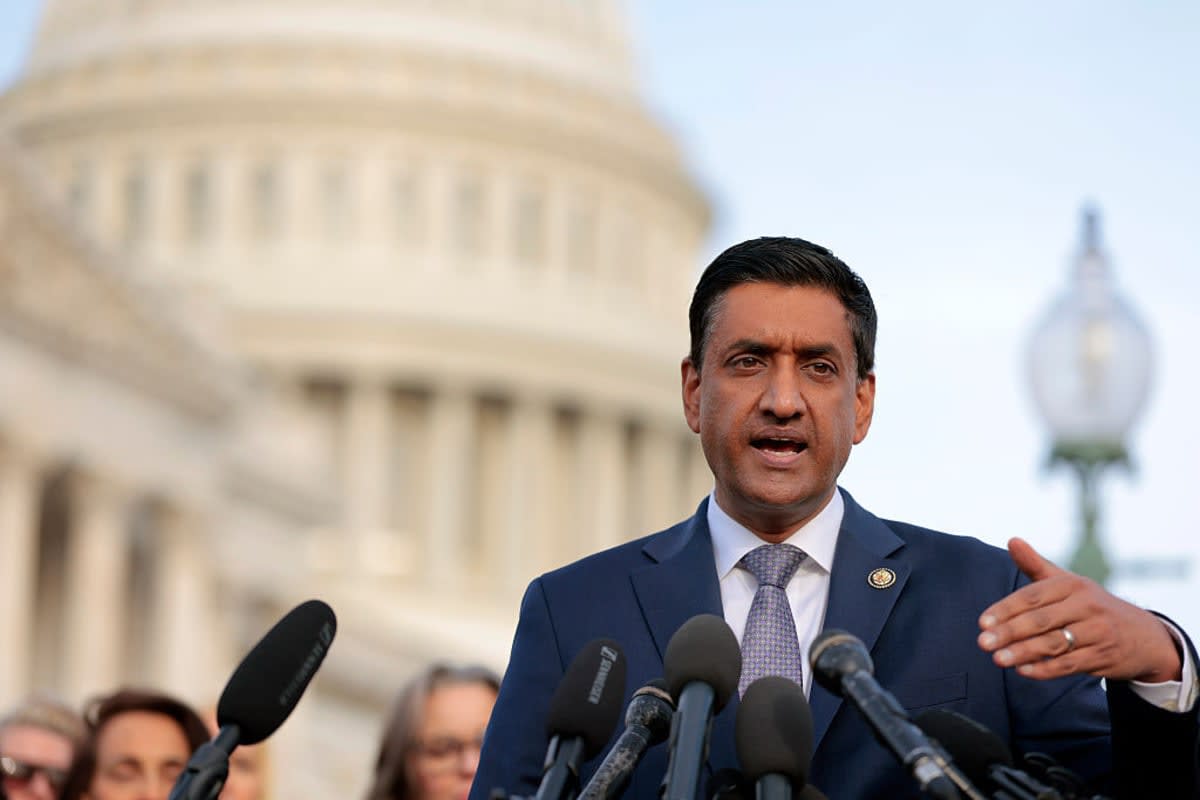
He pointed to Rep Ro Khanna of California, who he said has completed dozens of interviews, along with Transportation Secretary Pete Buttigieg, Sen Chris Murphy, and governors including Gavin Newsom and JB Pritzker.
Building a rival ecosystem

Tharp said a more organized progressive media network is beginning to emerge.
He cited growth at outlets such as MeidasTouch, The Bulwark, and Mehdi Hasan’s Zeteo as examples of left-leaning platforms expanding their audiences.
"Entrepreneurs on the left have been pitching major donors to fund some of these efforts," Tharp said.
He said those investments have supported new creators on platforms like TikTok and YouTube.
The confrontational and charged formula
Tharp said Democrats are increasingly adopting digital strategies that mirror tactics long used by conservatives.
He said emotionally charged headlines and confrontational messaging have proven effective at driving engagement.
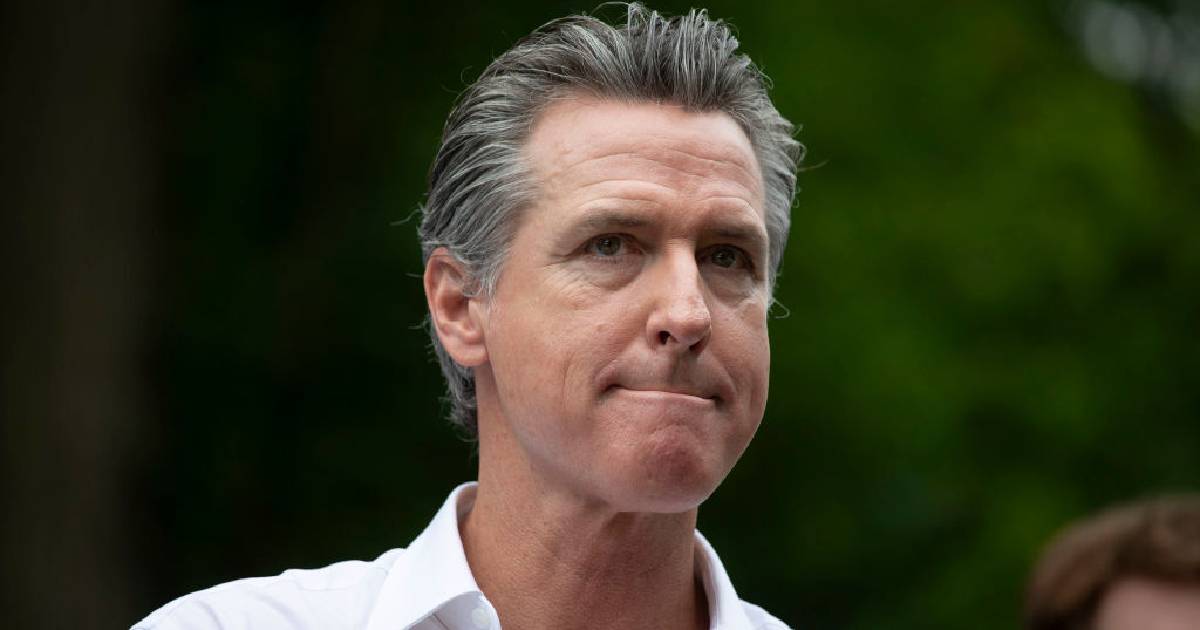
Tharp cited MeidasTouch’s rise on podcast charts and Gov Gavin Newsom’s growing online presence as examples of content that resonates with partisan audiences.
Integrating the creator economy
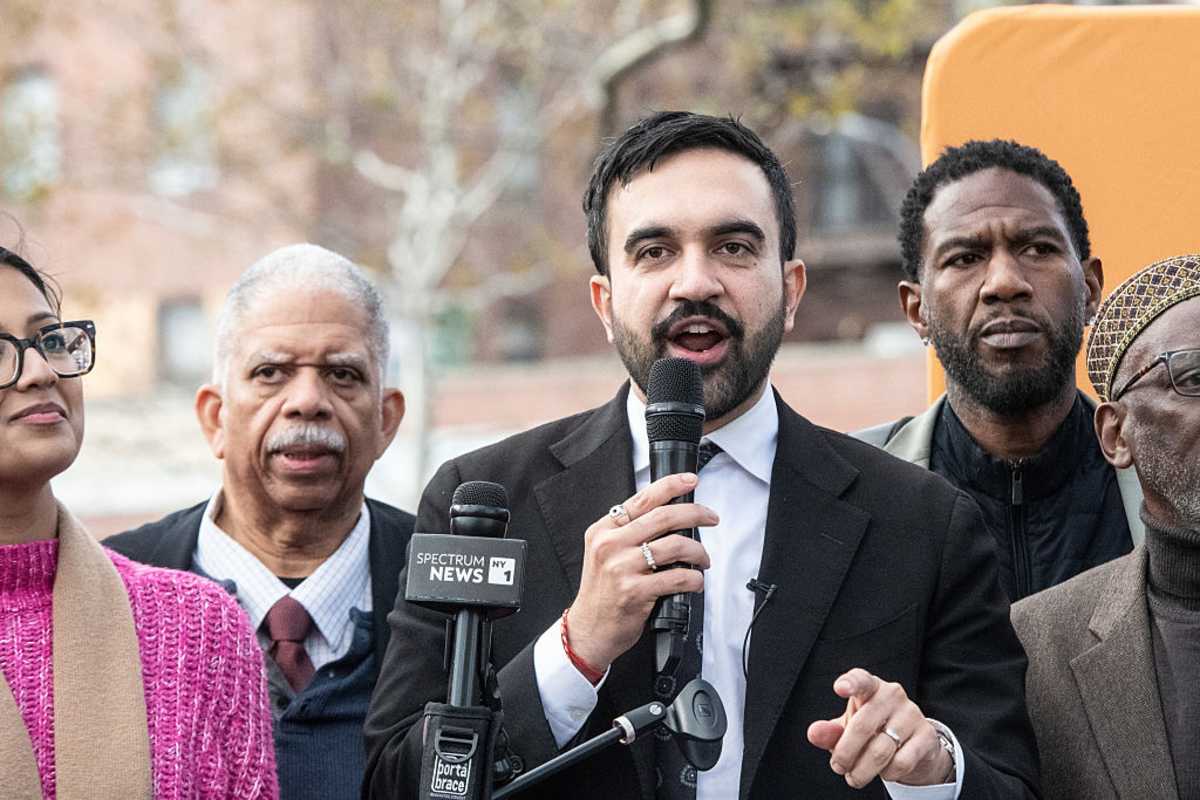
Tharp said Democratic campaigns are placing greater emphasis on working with social media creators.
He said campaigns now routinely incorporate influencers into broader media strategies, both through paid partnerships and organic collaboration.
The approach has been used in recent state and local races, according to Tharp.
The structural disadvantage
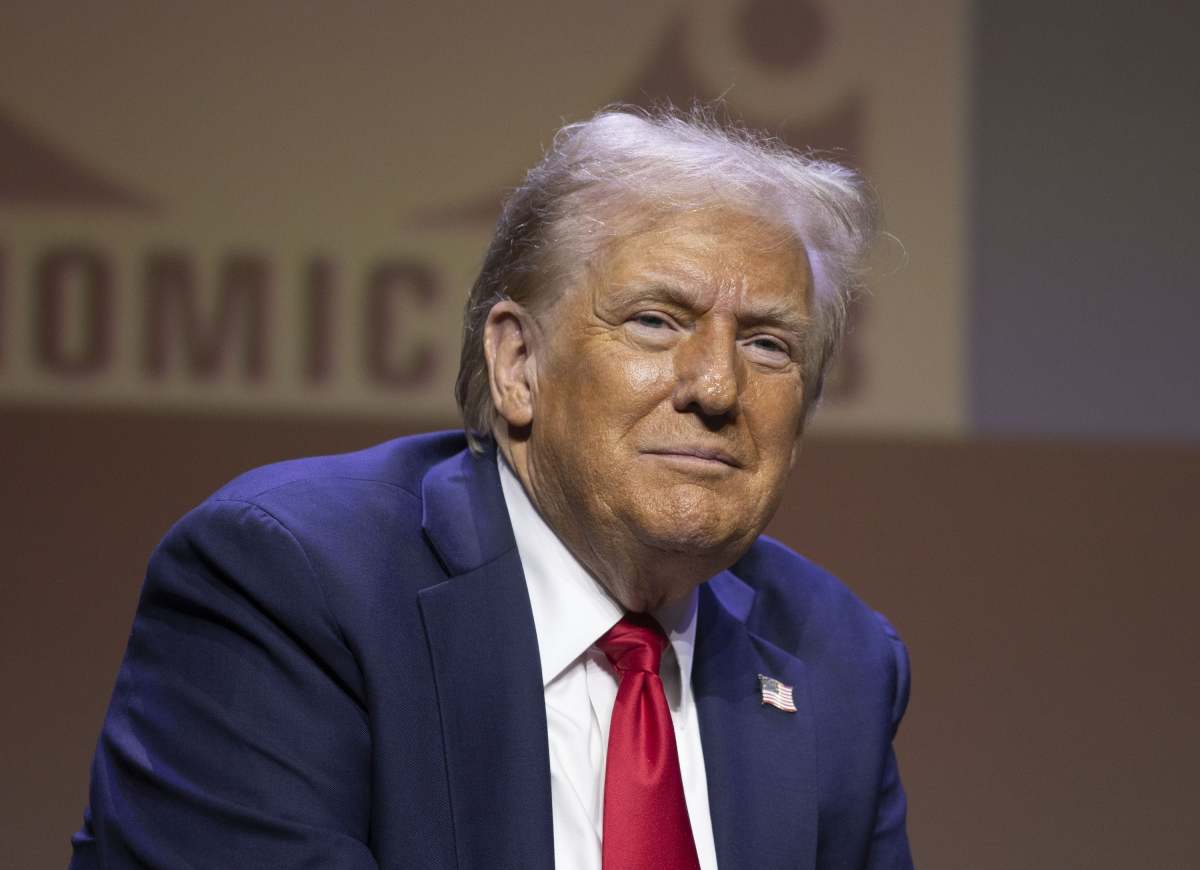
Despite recent gains, Tharp said conservatives retain a long-term advantage.
"Republicans have had a decades-long head start," he said.
He pointed to outlets such as The Daily Wire, Breitbart, and PragerU, which were built with sustained donor support over many years.
Tharp claimed that PragerU alone operates with an annual budget estimated at about $70 million.
Moving beyond 'anti-Trump'

Tharp said Democrats now face pressure to pair improved messaging tactics with clearer policy narratives.
He said opposition to Trump helped mobilize voters in past cycles but proved insufficient in 2024.
"They really need to focus on comprehensive, solid messaging," Tharp said. "To prove to the American people that they can govern."
He said whether Democrats can close the digital gap will depend on sustained investment and a clearer articulation of governing priorities.