Ex-ICE official warns agency is past the point of no return after Minneapolis shootings
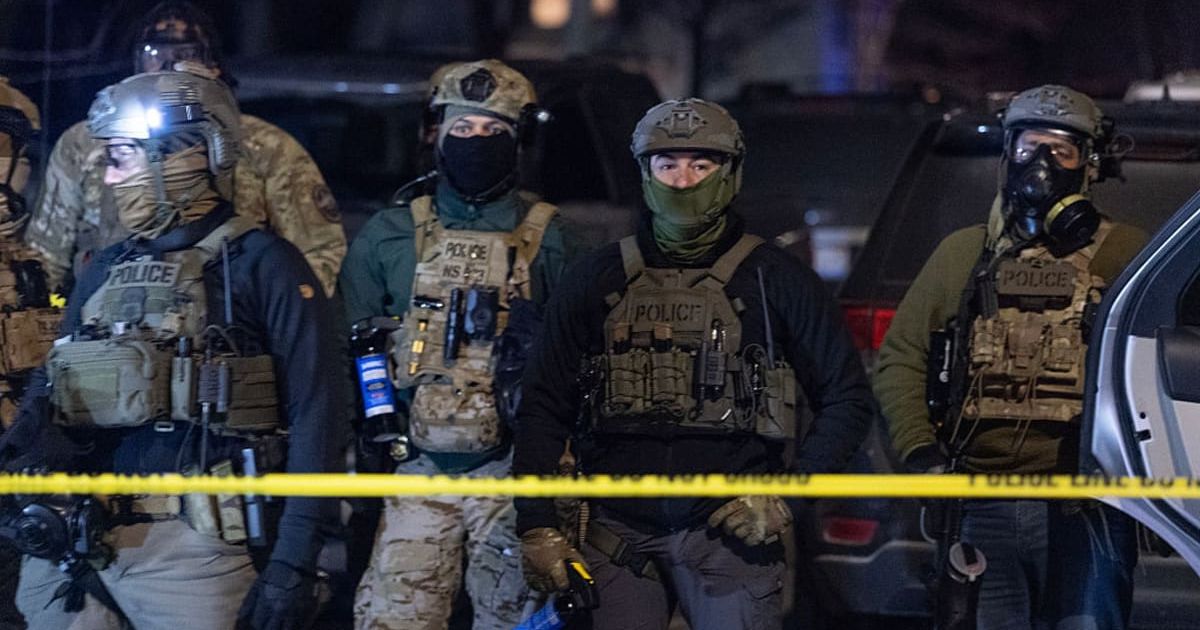
MINNEAPOLIS, MINNESOTA: A former senior Immigration and Customs Enforcement official is sounding the alarm after two deadly immigration enforcement encounters in Minneapolis this month, warning that the agency may be beyond saving in its current form.
Darius Reeves, a longtime ICE field office director who served under four presidents, said the fallout from the shootings has exposed deep flaws in how immigration enforcement is now being carried out.
“This was poorly planned from day one,” Reeves told Newsweek’s Carlo Versano on 'The 1600 podcast.' “There’s no coming back from this.”
Reeves’ blunt assessment follows the killing of Alex Pretti, a 37-year-old nurse and US citizen who was shot by federal agents during an immigration operation in Minneapolis. His death came just days after another fatal encounter in the same city, when immigration officials shot and killed Renee Good earlier this month.
Former ICE official warns border tactics failed in Minneapolis
Pressed on how the Minneapolis operation unraveled so quickly, Reeves pointed to the involvement of Customs and Border Protection agents operating deep inside the country.
“Anytime you involve the Border Patrol into the interior of the United States, the wheels are going to fall off,” Reeves said. “Their training, their mindset, their mission, it’s different.”
Reeves explained that ICE’s interior enforcement work is bound by constitutional limits that do not apply in the same way at the border, making the use of border-trained agents especially risky.
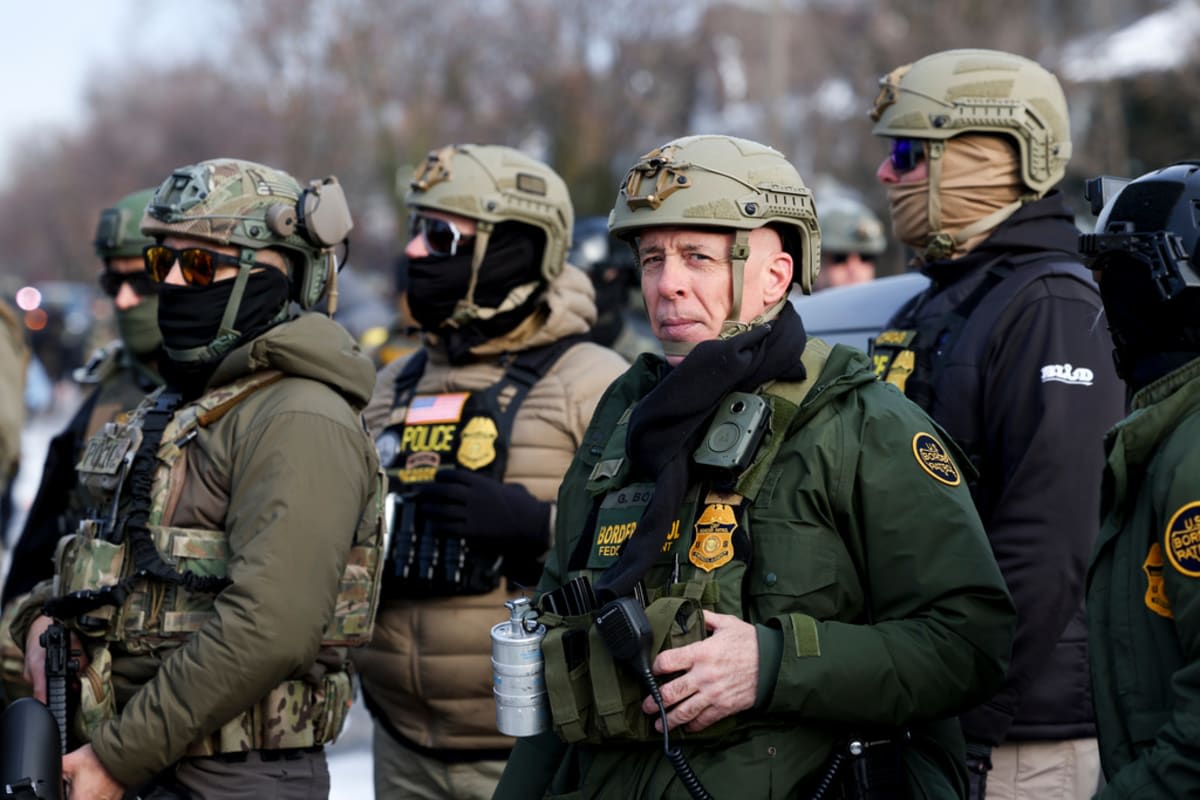
“When you bring that type of mentality and training into the interior of the United States,” he said, “you’re going to have the issues that we’re seeing play out before us.”
According to Reeves, the result was a volatile operation that spiraled out of control, leaving two people dead and the agency facing a credibility crisis.
Ex-ICE official warns masks and militarization eroded trust
Asked why similar enforcement actions under earlier administrations avoided this level of backlash, Reeves said ICE once emphasized discretion, preparation, and restraint.
“We took great pride in being known as the silent service,” he said, referring to enforcement work during the Obama years. “You had targets. You did your homework. You planned every possible scenario.”
That approach has since been abandoned, according to Reeves. “You don’t flood neighborhoods,” he said. “You don’t antagonize people. This is not how things are supposed to go.”
He also criticized agents operating in masks and tactical gear without visible identification, warning that this has eroded public trust and increased the risk of deadly encounters.
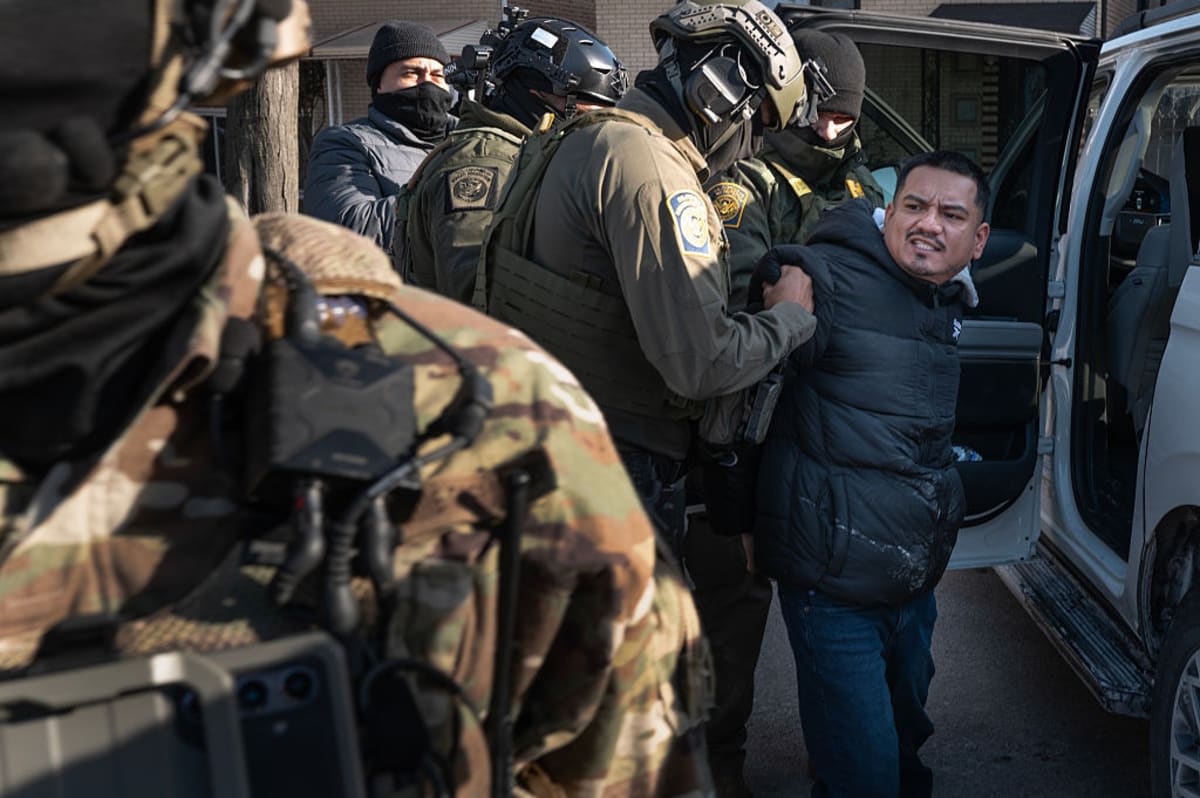
Reeves noted that masks were originally used to protect undercover agents from other federal agencies assisting in early enforcement efforts but were never intended to become standard operating procedure. “All of this was poorly planned from day one,” he said.
When asked about the administration’s push for mass deportations, with targets of up to one million removals a year, Reeves placed the blame squarely on Washington. “You’re not going to repatriate a million people a year,” he said. “It’s never going to happen.”
Ex-ICE official warns agency near collapse after pressure
Reeves argued that deportation quotas are driven by political demands rather than operational reality, pointing to a lack of detention space, transportation capacity, diplomatic agreements, and staffing to support removals at that scale. “Political appointees need to stop,” Reeves said. “They need to listen to the career professionals.”
He warned that pressure from above has also fueled a rapid expansion of the workforce at the expense of standards. “You cannot water down standards,” Reeves said. “This job is too serious for that.”
Asked whether ICE can survive the current crisis intact, Reeves said, “No,” adding, “There will be a reckoning.”
While Border Patrol agents are likely to return to the border in time, Reeves said ICE’s enforcement and removal operations will absorb the long-term institutional damage from the Minneapolis shootings. “You’re going to have to rebuild it brick by brick, layer by layer,” he said. “But you can’t function under ICE after this.”
For Reeves, the deaths in Minneapolis mark a turning point for an agency he believes has lost control of its mission and possibly its future. “There’s no coming back from this,” he declared.