Fact Check: Can ICE officers take DNA samples from protesters in custody?
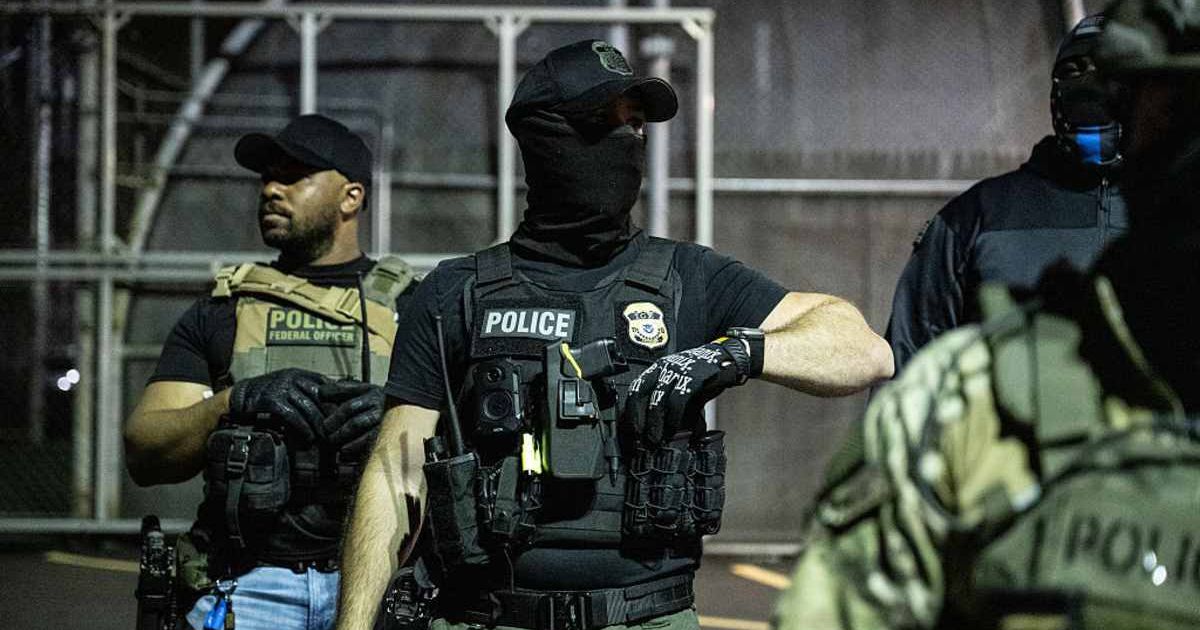
WASHINGTON, DC: During President Donald Trump's second term, the Immigration and Customs Enforcement (ICE) and related Department of Homeland Security (DHS) agencies have significantly ramped up interior immigration enforcement, including numerous raids, arrests, and detentions across the United States.
The initiative aligns with campaign promises of the "largest domestic deportation operation" in US history, supported by increased funding, more agents, and policy shifts prioritizing rapid arrests and removals under Trump.
Amid this, reports suggested that ICE officers forced people under custody to give DNA samples, as multiple immigration enforcement protesters reported being swabbed after being taken into custody. But can the ICE really do that? Let us find out below.
Claim: ICE officers take DNA samples from protesters in custody
USA Today came up with a story claiming that multiple immigration enforcement protesters reported being swabbed after being taken into custody.
Steven Saari, a US Marine Corps veteran who served in Iraq and Afghanistan, said he was "physically forced without my consent to do a DNA sample" after immigration agents detained him near where Alex Pretti, an ICU nurse, was fatally shot by federal authorities in January.
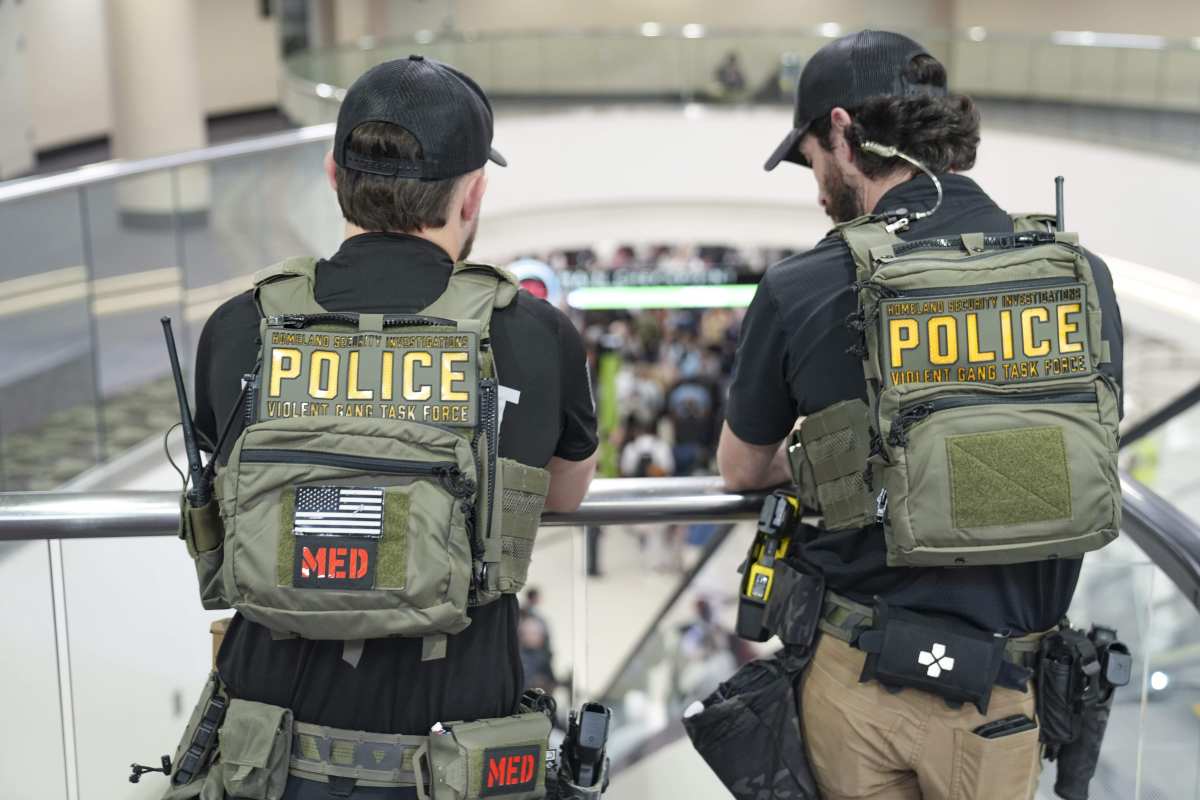
Saari said in court records that he went to the scene after hearing that someone was shot by federal agents in the city, less than three weeks after the fatal shooting of Renee Nicole Good. He added that he was taken into custody without cause.
He said in a declaration filed in federal court, "I was standing on the sidewalk, not recording with my phone, not protesting, not yelling, not blowing a whistle, just watching", adding that after about eight hours in custody, he was released without charges.
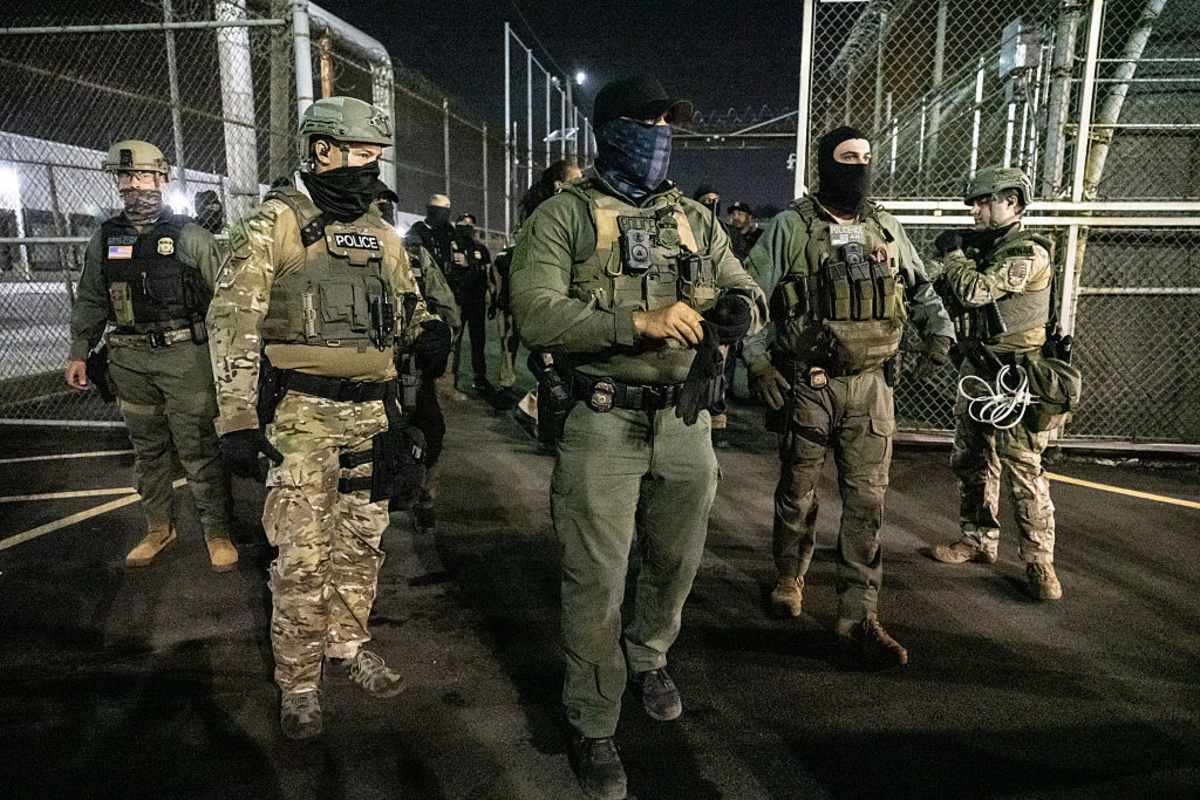
Similarly, several people have said federal agents took or attempted to take DNA samples from them after they were apprehended.
Fact Check: ICE agents can collect DNA samples from people who are arrested
A spokesperson for DHS informed the outlet that federal law requires law enforcement to collect DNA samples from people who are arrested. The requirement applies to people who are 'arrested, facing charges, or convicted,' and non-US citizens who are 'detained'.
The 2005 DNA Fingerprint Act authorized federal officials to collect DNA from people arrested on suspicion of having committed a crime.
As per a report from the Center on Privacy and Technology published in May 2024, it is a significant expansion of power that "passed with little public scrutiny as an amendment to the reauthorization bill for the popular Violence Against Women Act."
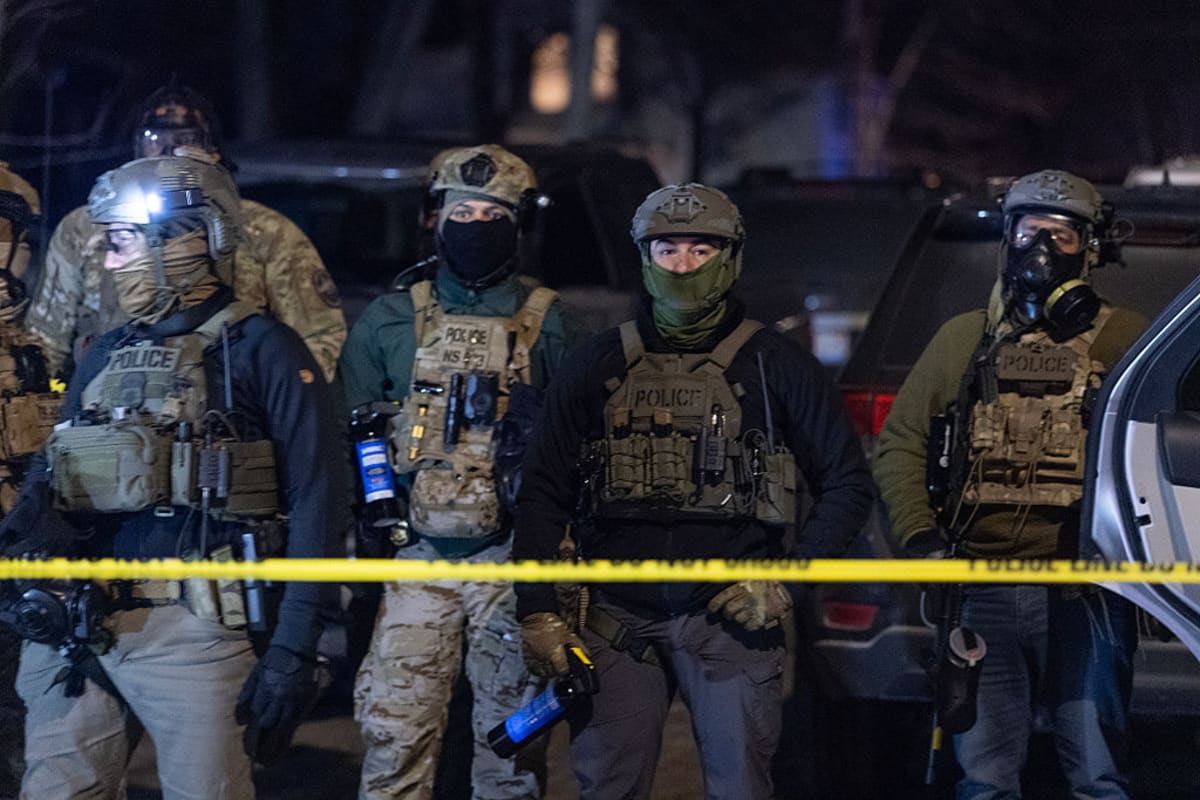
Moreover, the researchers said federal law makes refusal to cooperate with DNA collection a crime, but some people have done so, as per federal records.
According to the federal regulation cited by DHS, agencies are authorized to use "such means as are reasonably necessary to detain, restrain, and collect a DNA sample" from someone who refuses to cooperate.
Moreover, the sample must then be sent to the Federal Bureau of Investigation so that it can be analyzed and entered into a national law enforcement database known as the Combined DNA Index System, or CODIS.