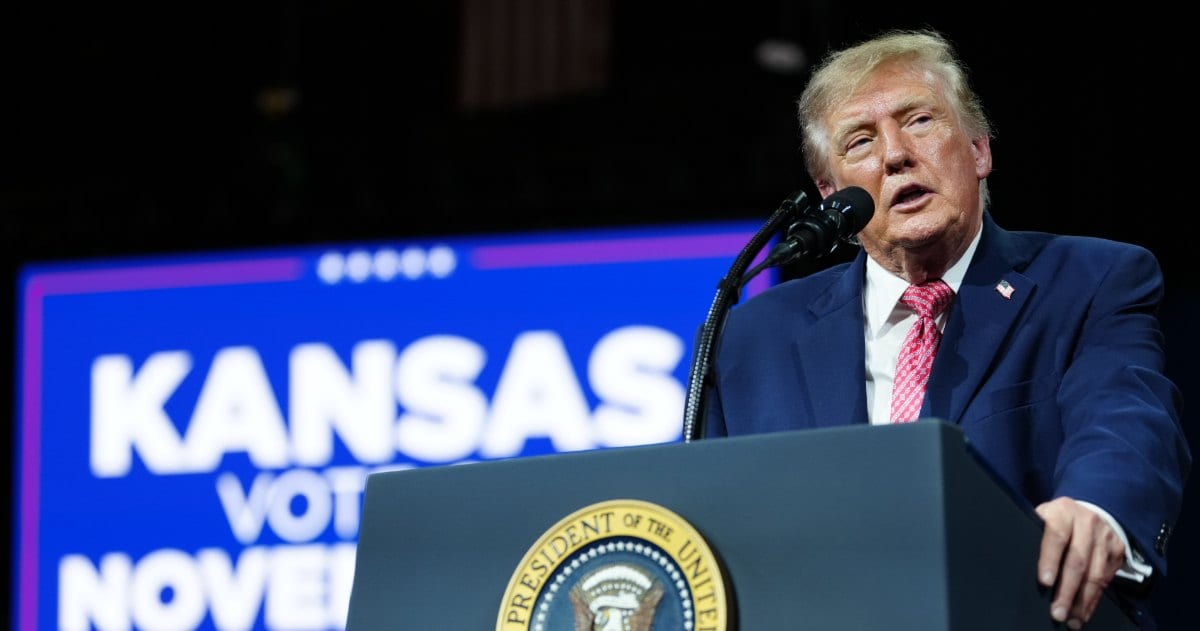
Trump eyes Thursday peace summit as 82nd Airborne deployment signals rising regional tensions
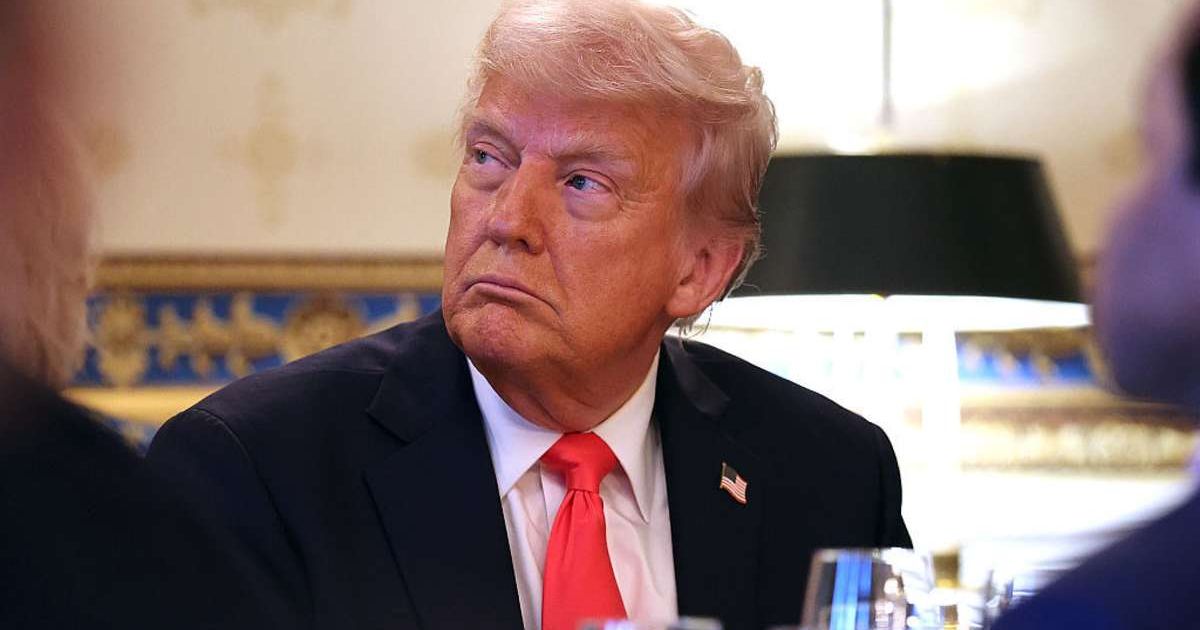
WASHINGTON, DC: The United States is awaiting a response from Tehran as diplomatic efforts intensify ahead of a possible peace summit later this week.
Even as President Donald Trump promotes a proposed “15-point plan” to end the conflict, the Pentagon has authorized additional troop movements, including elements of the Army’s 82nd Airborne Division, to the Middle East.
The parallel push, diplomatic outreach alongside military buildup, comes as US officials seek to maintain leverage while testing the possibility of negotiations. The situation remains fluid, with no confirmation from Iran on participation in any proposed talks.
Nuclear surrender anchors 15-point plan

According to US officials, the proposed framework centers on restrictions on Iran’s nuclear program. The plan includes provisions for zero uranium enrichment, expanded international monitoring, and limits on missile capabilities.
US envoy Steve Witkoff has indicated that Iranian representatives have signaled openness to addressing their stockpile of enriched uranium.
However, officials have not confirmed whether any formal commitments have been made or who within Iran’s leadership is authorized to finalize such terms.
Uncertainty around Tehran’s internal decision-making process continues to complicate negotiations, particularly following recent leadership changes.
Israel wary of "concessions" and exit strategy

Israeli officials have expressed caution over the potential terms of any agreement. Prime Minister Benjamin Netanyahu has emphasized that Israel’s military operations will continue, even as diplomatic discussions evolve.
Concerns remain within Israel over whether any deal would fully address long-term security considerations. US officials have maintained communication with Israeli leadership, though differences in approach to timing and scope of a potential agreement persist.
Negotiating under fire as deadline looms
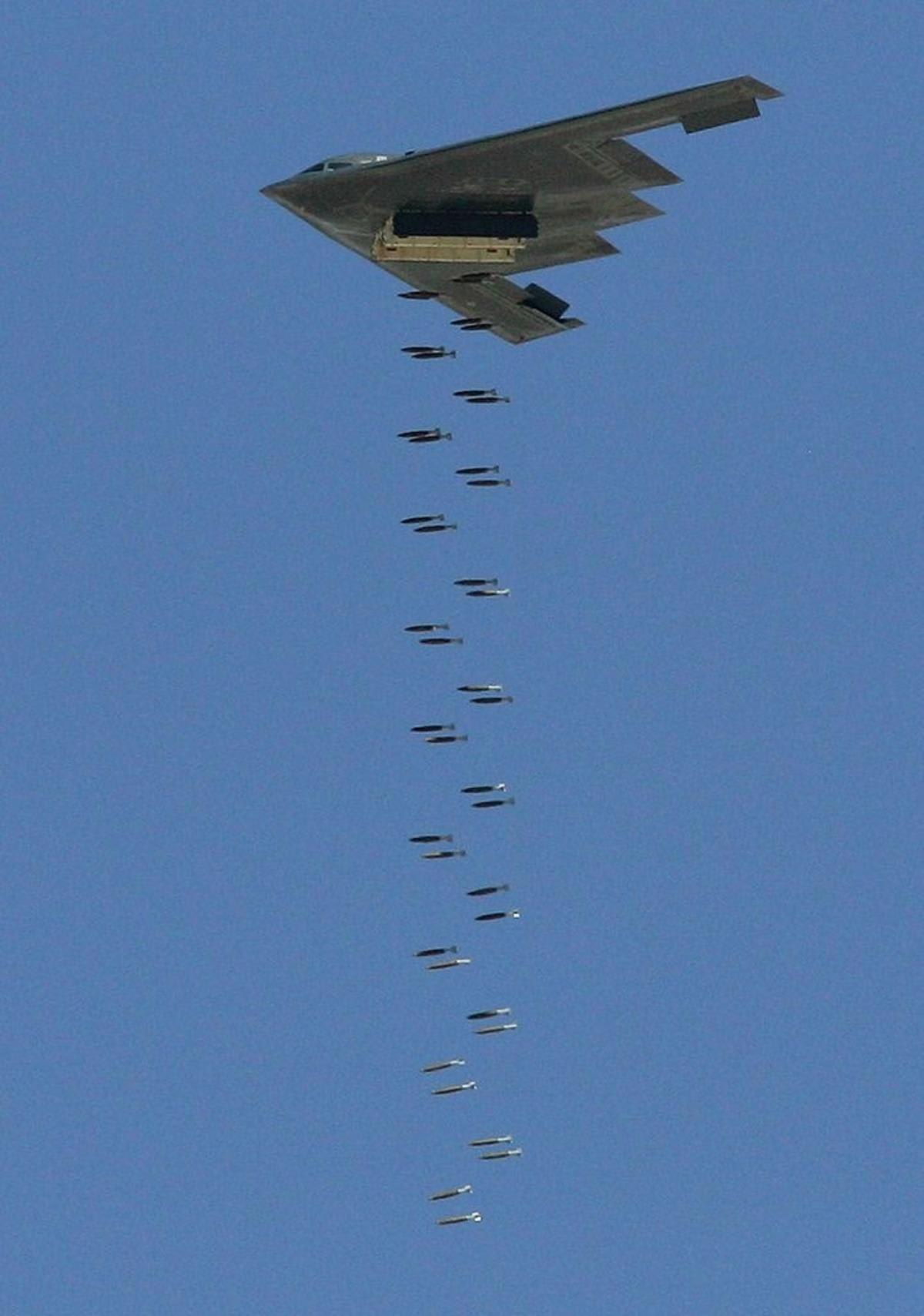
The administration has not committed to a ceasefire during the negotiation window. White House officials have indicated that military operations will continue while diplomatic efforts are explored.
A temporary pause in planned strikes on Iranian energy infrastructure remains in place, though it is limited in duration. Officials have suggested that further military action remains an option if no agreement is reached.
Potential venues for talks, including countries such as Pakistan, Egypt, or Turkey, have been discussed, but no final arrangements have been confirmed.
82nd Airborne surge signals potential escalation

The deployment of elements from the 82nd Airborne Division adds to the existing US military presence in the region. Defense officials say the move is intended to provide additional operational flexibility as the situation develops.
While the administration continues to emphasize diplomacy, the expanded troop presence underscores preparation for multiple scenarios, including the possibility of prolonged conflict.
As discussions continue, the next phase of the crisis will depend on whether diplomatic engagement materializes or if military operations intensify further.