Fact Check: Did Benjamin Netanyahu’s call to JD Vance derail US-Iran peace talks?
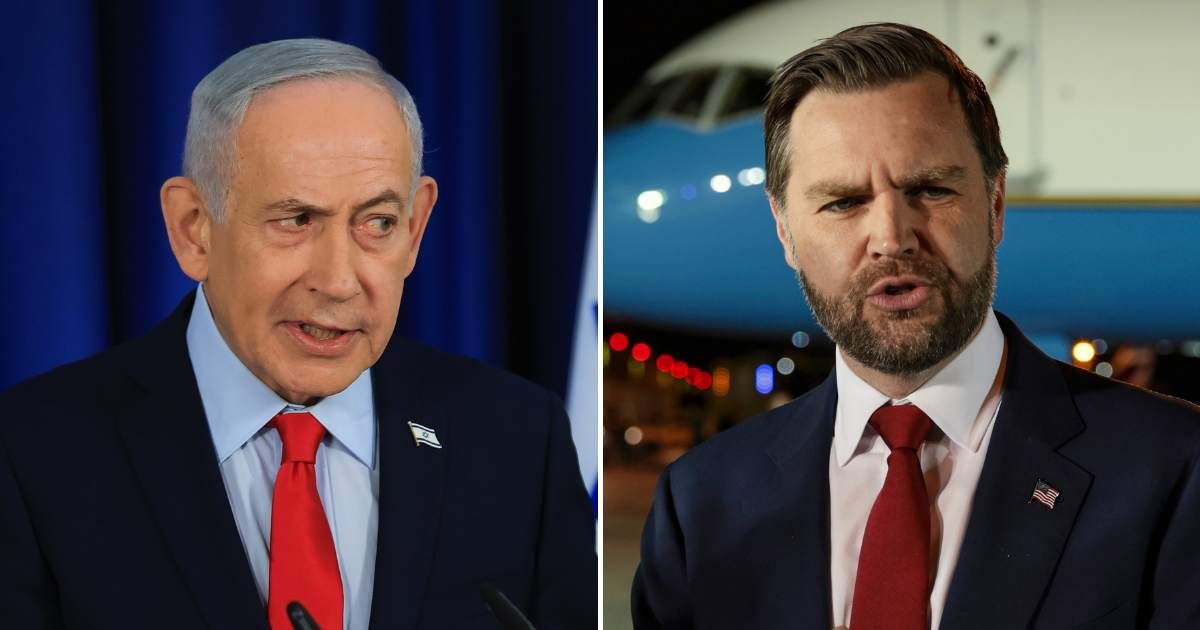
WASHINGTON, DC: Following the failed peace negotiations between the United States and Iran, escalating the geopolitical tensions, a rumor began circulating online claiming that peace talks were derailed after Israeli Prime Minister Benjamin Netanyahu called Vice President JD Vance, triggering criticisms. Let us analyze and fact-check the claim.
Claim: Benjamin Netanyahu's call to JD Vance sabotaged US-Iran peace talks
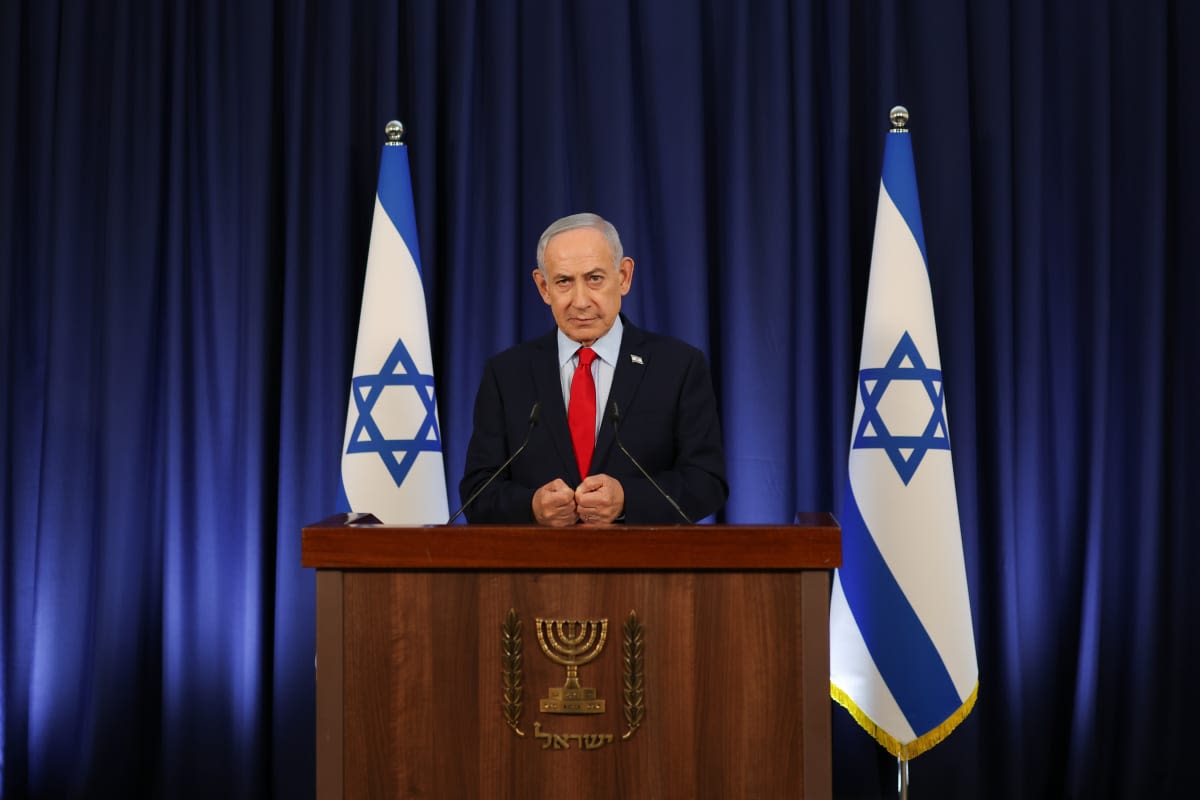
The collapse of high-stakes talks between the US and Iran in Islamabad has sparked a controversy, with an unverified claim suggesting that Israeli intervention may have influenced the outcome.
According to Iranian state-linked outlet Press TV, Foreign Minister Abbas Araghchi said that a phone call from Benjamin Netanyahu to JD Vance during the negotiations influenced the talks in a way that favoured Israeli interests.
According to the report, Araghchi claimed that the alleged call changed the focus of the negotiations and that the US attempted to achieve at the negotiating table what it could not achieve through military means.
Fact Check: Unconfirmed, claim could not be independently verified
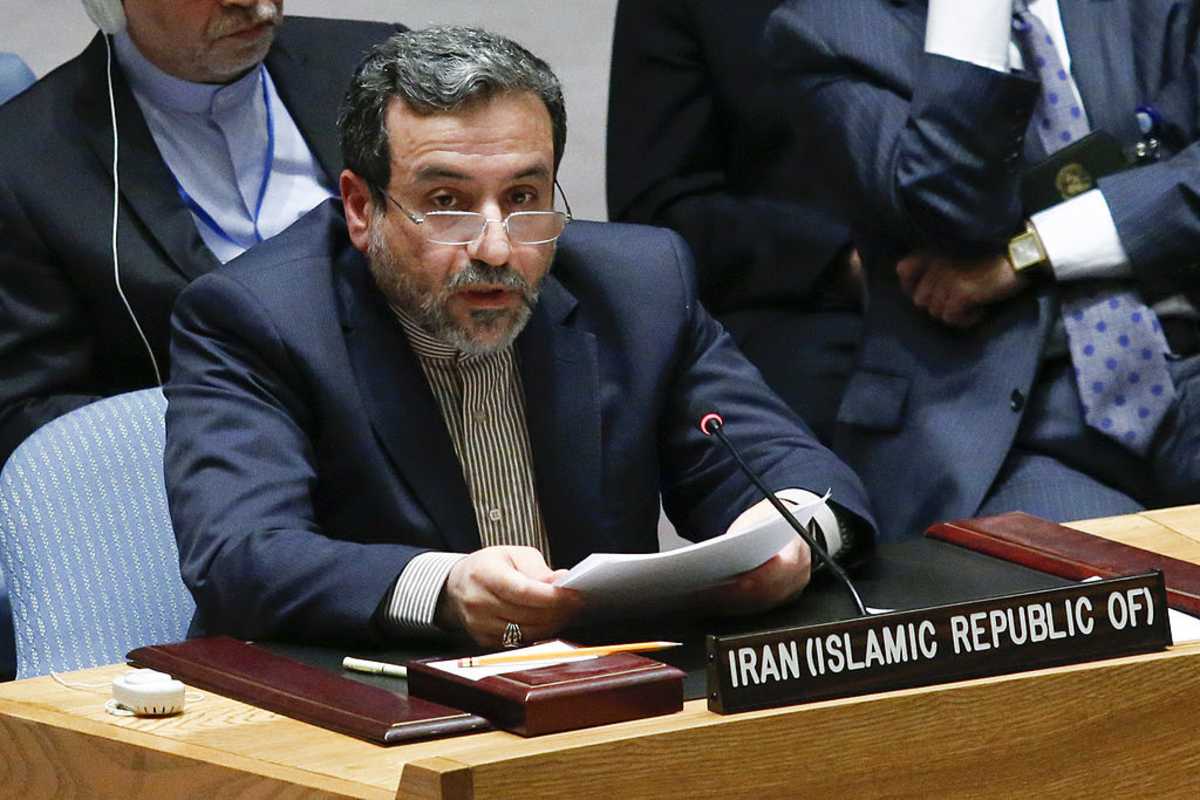
However, the claim is unverified, as the reports referred to a post on X attributed to Araghchi, but no such post could be found on his official timeline.
Although various news outlets reported on Tehran's allegation about the call between the Israeli leader and the vice president, the claim could not be independently verified.
Neither Vance nor Netanyahu has declined the claim.
JD Vance said US-Iran talks ended without agreement
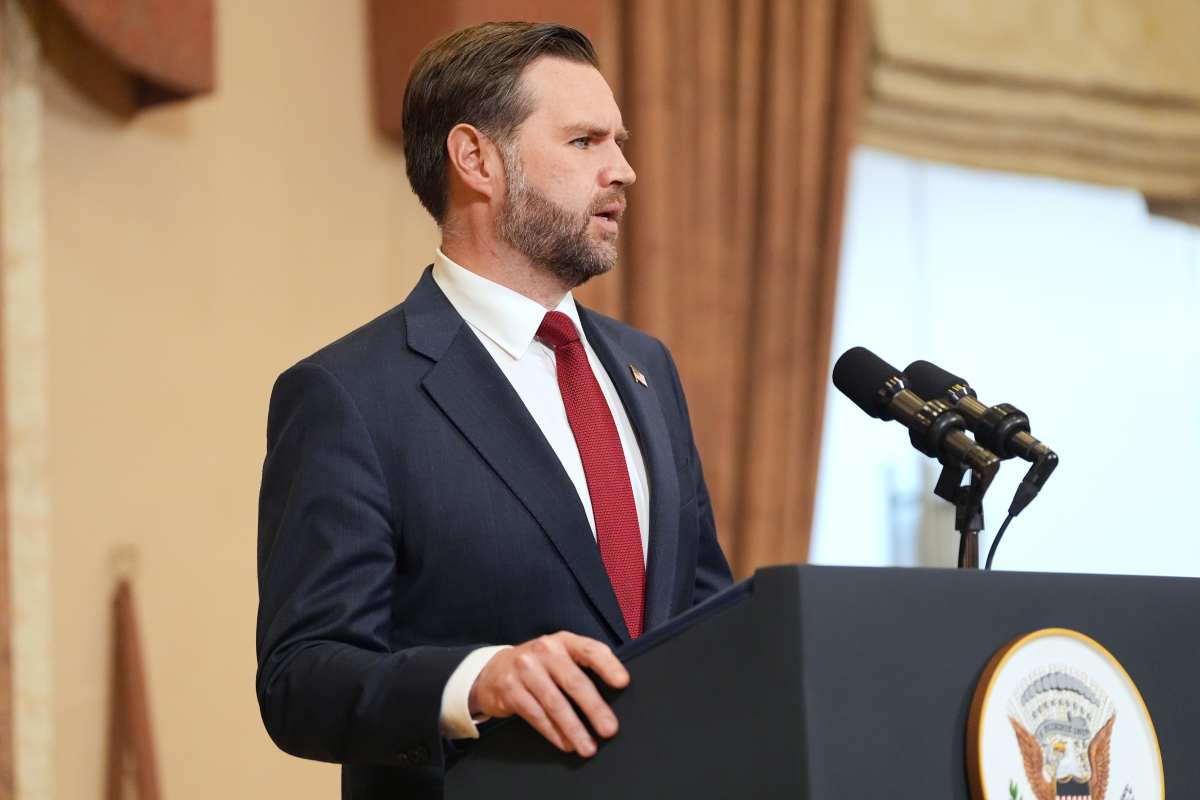
The claim surfaced after Vance addressed the press, saying the United States and Iran failed to reach an agreement following hours of high-stakes negotiations in Pakistan, and warning that the outcome was 'much more' damaging to Tehran than to Washington.
Vance confirmed that talks had concluded without a breakthrough, even as President Donald Trump maintained that the US had already secured victory regardless of the outcome.
Vance said Iran declined to accept US terms after nearly a full day of closed-door discussions.
"The bad news is that we have not reached an agreement," Vance said. "And I think that's bad news for Iran, much more than it's bad news for the United States of America."
He added that Washington had clearly outlined its expectations during the negotiations.
"So we go back to the United States, having not come to an agreement, we've made very clear what our red lines are, what things we're willing to accommodate them on, and what things we're not willing to accommodate them on," Vance stressed.
"And we've made that as clear as we possibly could, and they have chosen not to accept our terms."