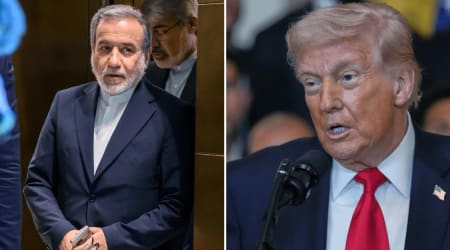
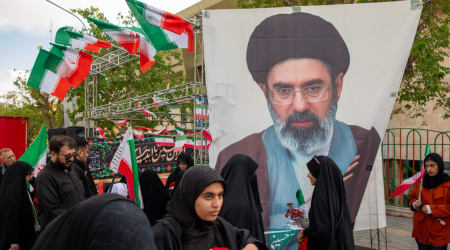
White House outlines key conditions Iran failed to accept during marathon negotiations
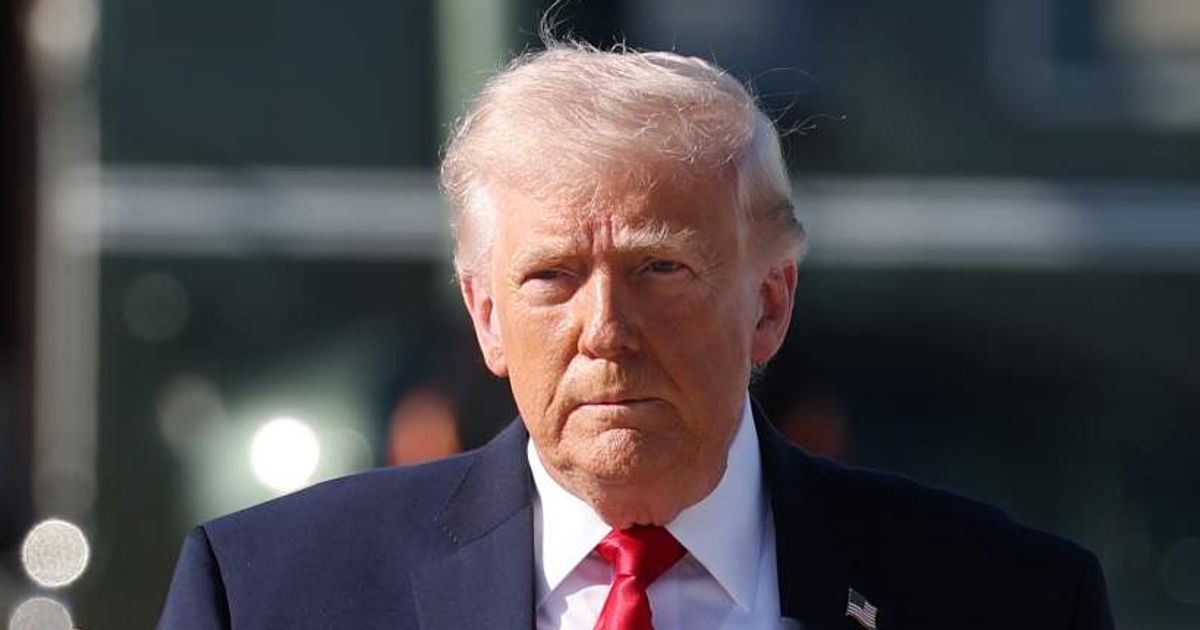
WASHINGTON, DC: The White House on Sunday, April 12, outlined the key conditions Iran failed to agree to during marathon negotiations held in Islamabad over the weekend. The high-stakes talks, led by Vice President JD Vance, lasted 21 hours but ended without a breakthrough.
The developments occurred amid a fragile ceasefire after six weeks of intense fighting, as the United States and Israel launched coordinated strikes on February 28 targeting Iran’s political and military leadership following the collapse of negotiations over its nuclear program.
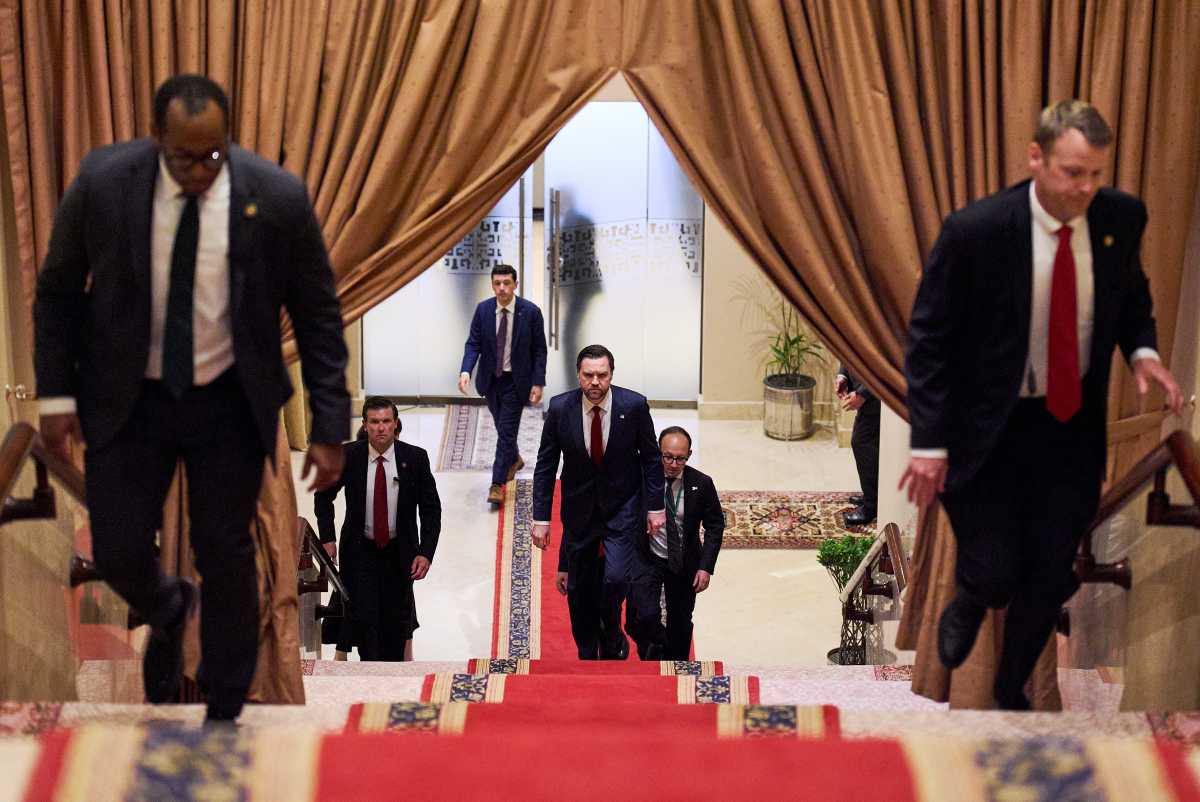
US conditions and stalled negotiations led by JD Vance
According to a White House official, President Donald Trump set several non-negotiable conditions for Iran. These included ending all uranium enrichment, dismantling major nuclear enrichment facilities damaged in a US bombing run last June, and retrieving more than 400 kilograms of highly enriched uranium believed to be buried underground.
Additional demands required Iran to accept a broader “peace, security and de-escalation framework” involving regional allies, end funding for proxy groups such as Hamas, Hezbollah, and the Houthis, fully open the Strait of Hormuz without charging tolls, and commit to not developing nuclear weapons.
Vance described the US proposal as a “best and final” offer, emphasizing that Iran refused to accept Washington’s terms.
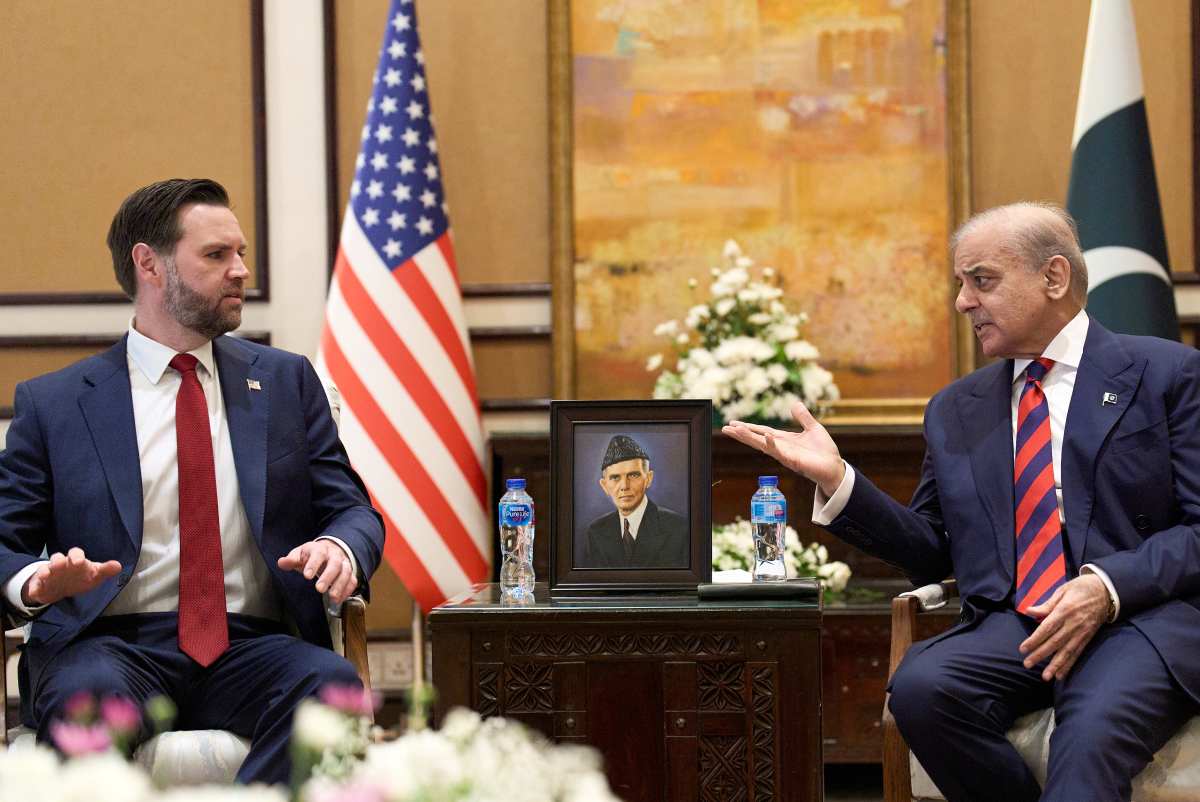
“The bad news is that we have not reached an agreement, and I think that’s bad news for Iran much more than it’s bad news for the United States of America,” he said before departing from the talks. He stressed the need for a “fundamental commitment” from Iran, specifically an assurance that it would not pursue nuclear weapons or the means to rapidly develop them.
Despite the tense nature of the talks, both sides reportedly developed a degree of mutual respect after hours of closed-door discussions. However, Iran maintained its hardline stance. The Iranian Foreign Ministry, through spokesperson Esmaeil Baghaei, stated, “Naturally, from the beginning, we should not have expected to reach an agreement in a single session. No one had such an expectation.”
He further said Iran was “confident that contacts between us and Pakistan as well as our other friends in the region will continue”. Meanwhile, Iran’s Parliament Speaker Mohammad Bagher Ghalibaf, the leader of Iran’s delegation, said it raised “forward-looking” initiatives, but the US failed to gain the trust of his delegation during the talks.
Tensions escalate as Trump orders Strait of Hormuz blockade
Iran has demanded the release of its frozen assets, control of the Strait of Hormuz, war reparations, and a broader regional ceasefire including Lebanon as negotiations collapsed and tensions escalated sharply. Meanwhile, Pakistan, which hosted the talks, urged both sides to maintain the ceasefire and continue working toward lasting peace.
Foreign Minister Ishaq Dar expressed gratitude, “to the two sides for appreciating Pakistan’s efforts to achieve a ceasefire and its mediator role. We hope that the two sides continue with a positive spirit to achieve durable peace and prosperity for the entire region and beyond.”

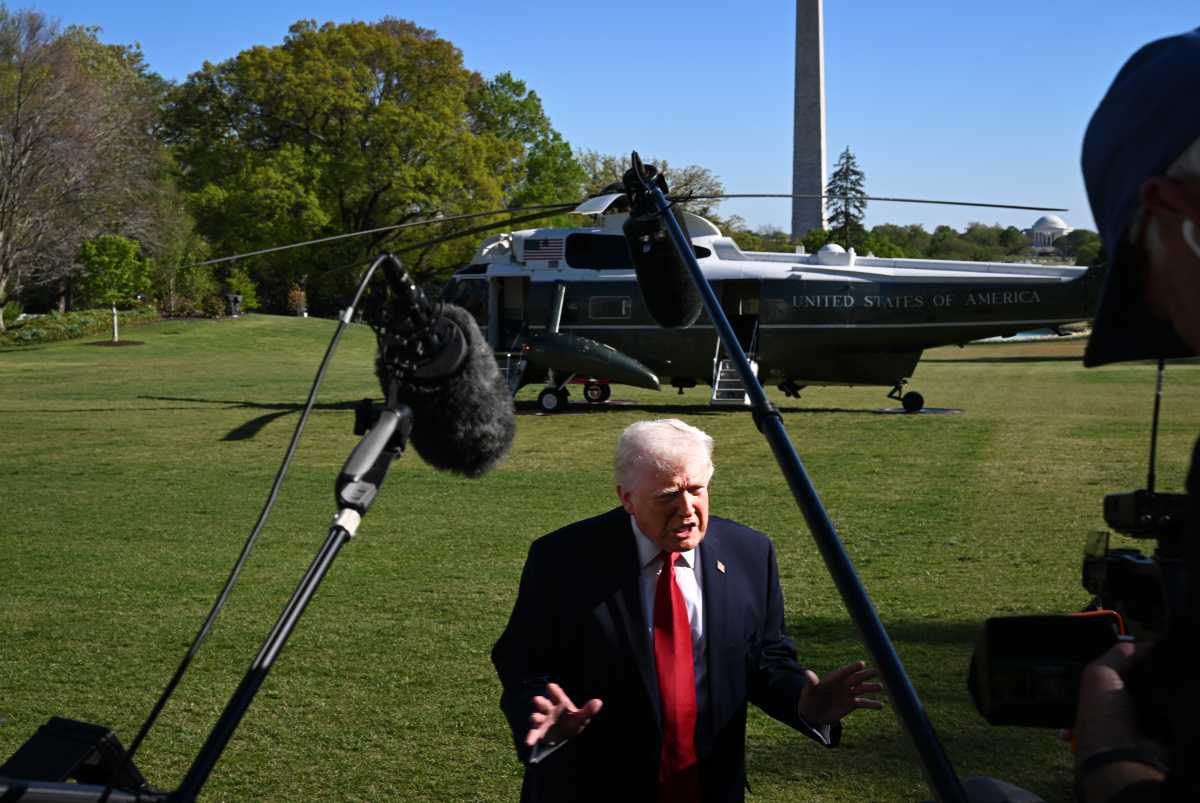
In a dramatic development, Trump announced that the US Navy would begin blockading ships in the Strait. Posting on Truth Social, he declared that any vessel entering or leaving the strait would be subject to interception.
He wrote, "I have also instructed our Navy to seek and interdict every vessel in International Waters that has paid a toll to Iran, No one who pays an illegal toll will have safe passage on the high seas. We will also begin destroying the mines the Iranians laid in the Straits. Any Iranian who fires at us, or at peaceful vessels, will be BLOWN TO HELL!”
In response, Iran’s Islamic Revolutionary Guard Corps issued a stern warning, saying that any military vessels approaching the Strait would be dealt with “harshly and decisively,” signaling the risk of further escalation in the region.