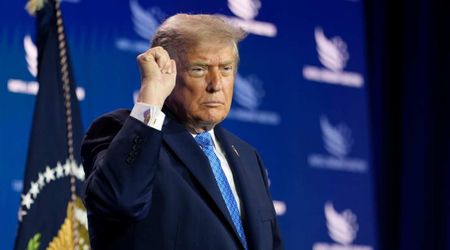
Fact Check: Was Japan behind a missile attack on a US carrier, as Trump suggested?
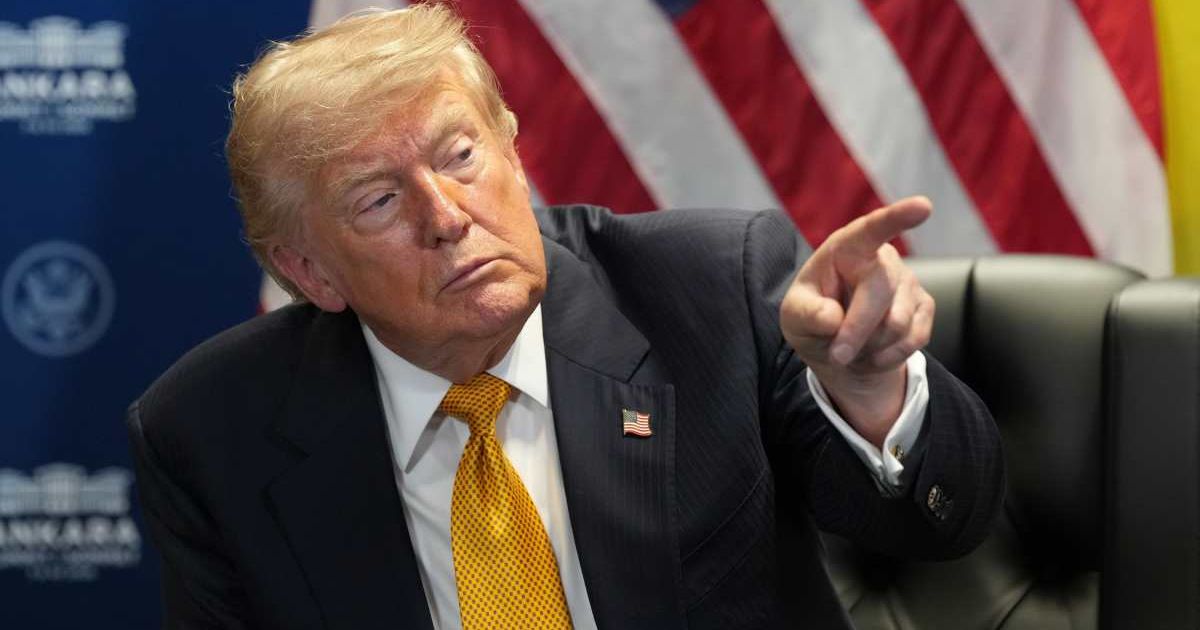
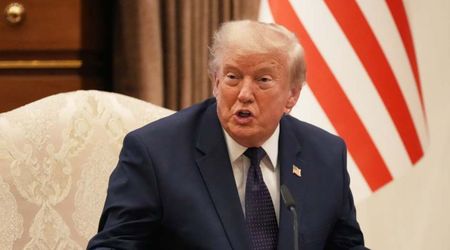
ANKARA, TURKEY: President Donald Trump, on Wednesday, July 8, drew attention during a media interaction at the NATO summit after describing a large-scale missile attack on a US aircraft carrier, attributing it to a country that does not align with any known conflict involving the United States.
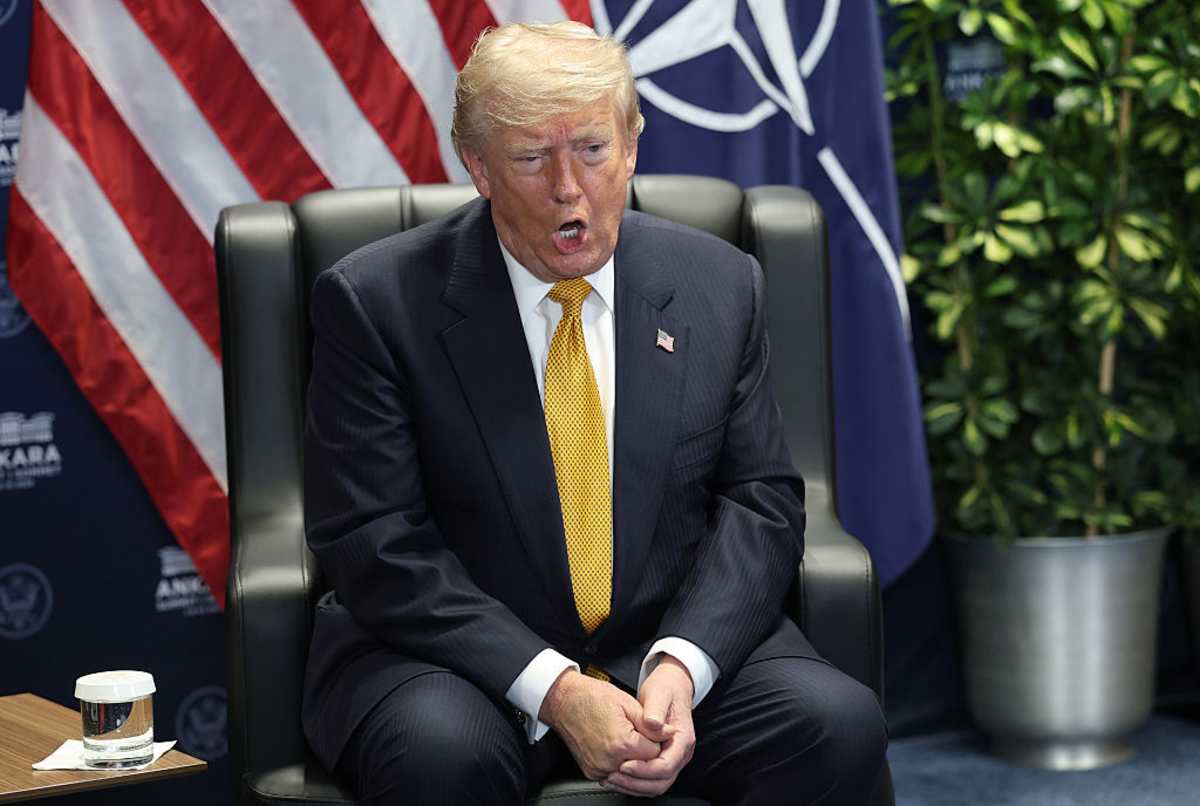
The moment came as Trump, seated beside Ukrainian President Volodymyr Zelensky, was answering a question on missile defense cooperation.
Mid-response, he shifted to recount what he presented as a past military episode involving the USS Abraham Lincoln.
Claim: Japan carried out a missile attack on a US naval vessel
Trump: "We had 11 missiles shot by the Islamic Republic of Japan" pic.twitter.com/FUOFLVZiKh
— Aaron Rupar (@atrupar) July 8, 2026
In his remarks, Trump spoke of an incident in which 100-plus missiles were allegedly launched at the carrier within a short span of time.
He credited US defense systems, including Patriot interceptors, with stopping the attack.
Crucially, he identified the source of the missiles as the “Islamic Republic of Japan,” a phrasing that raised eyebrows.
“And a few months ago, we had 111 missiles shot by the Islamic Republic of Japan,” Trump said.
The remark has gone viral on social media with multiple clips garnering over a million views within hours of getting posted.
Fact Check: No record of attack, details align with Iran, not Japan
There is no evidence from US defense agencies, international monitoring bodies, or credible media reports to support the existence of an attack by Japan on a US warship.
Japan is a formal US ally, and any such escalation would have triggered a major global response.
The terminology used in Trump’s statement instead matches Iran, which has been involved in periodic tensions with US forces in and around strategic waterways.
In early 2026, Iranian-linked sources circulated claims of missile launches targeting the USS Abraham Lincoln.
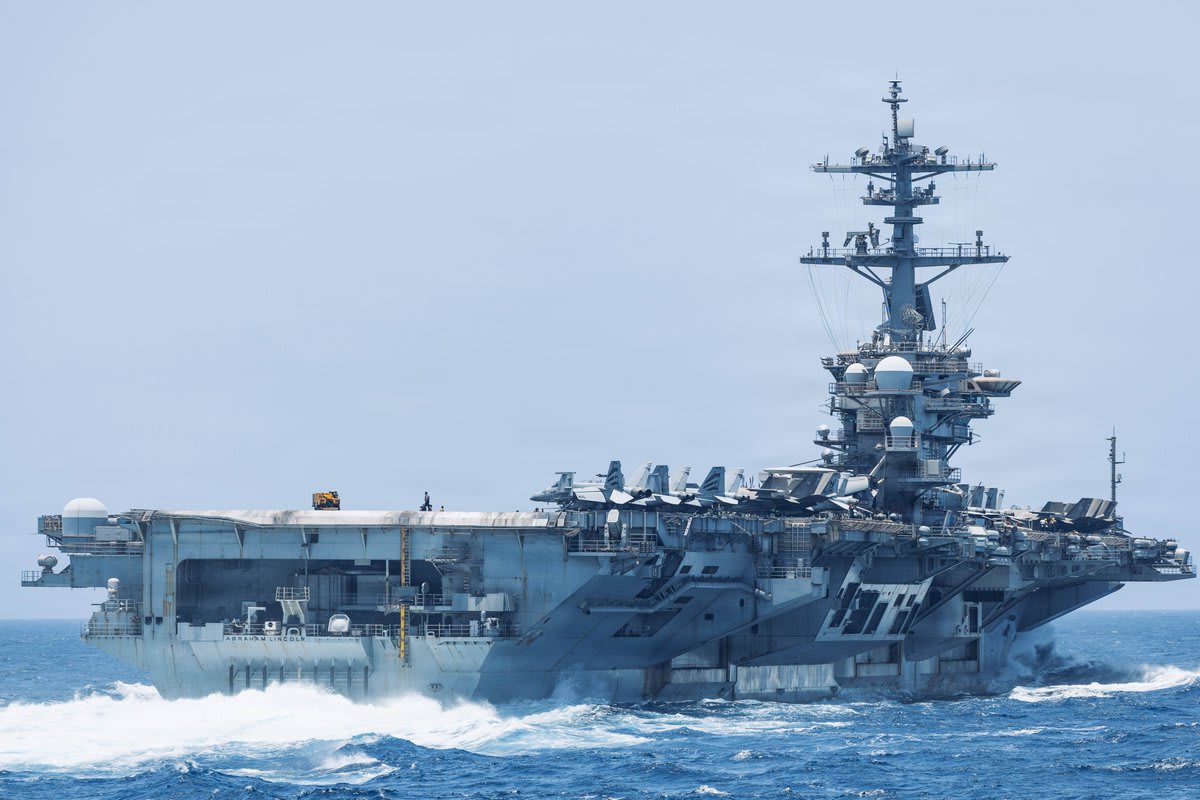
However, US Central Command stated at the time that no missiles struck the vessel and indicated that the threat did not come close to causing damage.
Separately, visuals shared online claiming to show the carrier under attack were reviewed and found to be misleading or unrelated.
The exchange took place on the same day Trump announced that a June 17 agreement with Iran was no longer in effect.
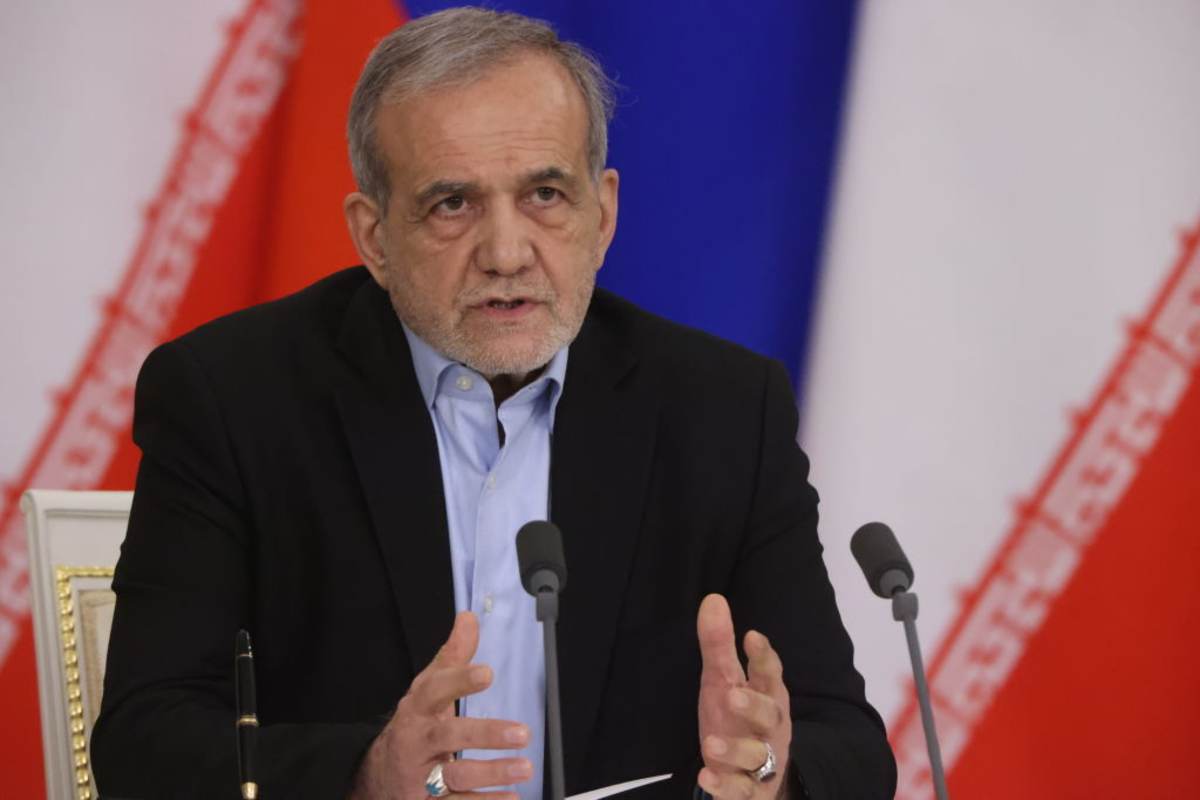
The arrangement signed with Iranian President Masoud Pezeshkian had outlined a temporary de-escalation framework, including measures tied to maritime movement in the Strait of Hormuz.
In conclusion, there is no evidence that Japan launched missiles at a US aircraft carrier. The wording and context indicate a likely mix-up by Trump, with details consistent with Iran rather than Japan.