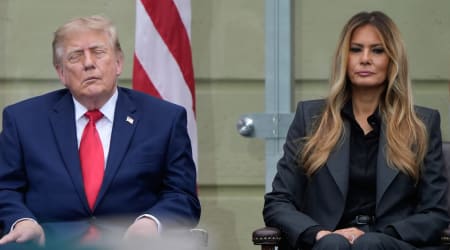
First Amendment Troop's 'ResistDance' honors Minneapolis' citizen Renee Good and Alex Pretti
WASHINGTON, DC: The tragic deaths of Renee Nicole Good and Alex Pretti in Minneapolis sent shockwaves across the nation. Both cases involved federal immigration enforcement, sparking debates over the human cost of these actions.
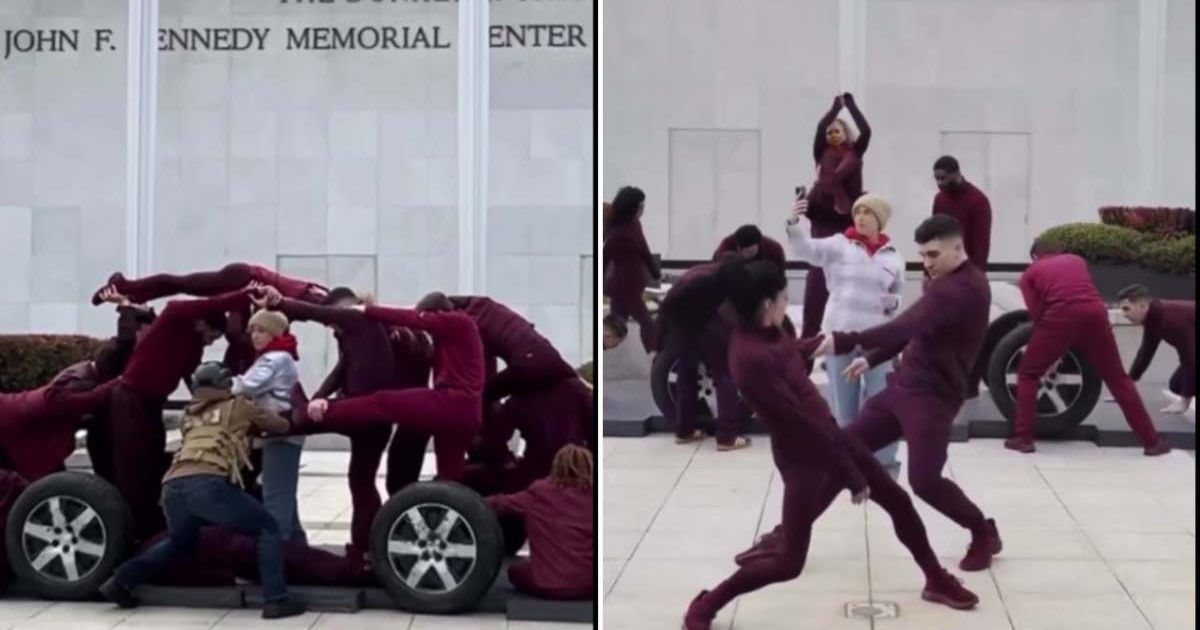
On Presidents’ Day, February 16, the First Amendment Troop staged a performance titled ResistDance outside the Kennedy Center, honoring the lives of Good, a mother, and Pretti, a nurse. Through expressive choreography, the dancers transformed grief into a public call for reflection on enforcement practices and civil rights.

How dancers honored Renee Good and Alex Pretti through public performance
Organized by Hungryman Productions’ advocacy wing and led by Bryan Buckley, the performance featured 22 dancers, each representing one of the 22 days between Good’s and Pretti’s deaths. The troupe included performers from Broadway hits like 'Hamilton,' 'MJ,' and 'Wicked,' alongside Kennedy Center dancers. Security was present, with 23 officers overseeing the event.
The performance began with a 1‑minute‑39‑second video depicting the SUV where Good was fatally shot by ICE agent Jonathan Ross. Following the video, dancers used their bodies to recreate the vehicle, moving into a tribute for Pretti. His story was represented through choreography illustrating the confrontation with federal agents that led to his death.
Music included 'We Could Fly' and 'Following the North Star' by Rhiannon Giddens, with the Lincoln Memorial serving as a symbolic backdrop highlighting civil rights struggles.
What to know about Renee Good and Alex Pretti and their deaths
Renee Nicole Good, 37, was fatally shot inside her vehicle in Minneapolis. A respected poet, she had won the 2020 Academy of American Poets Award.
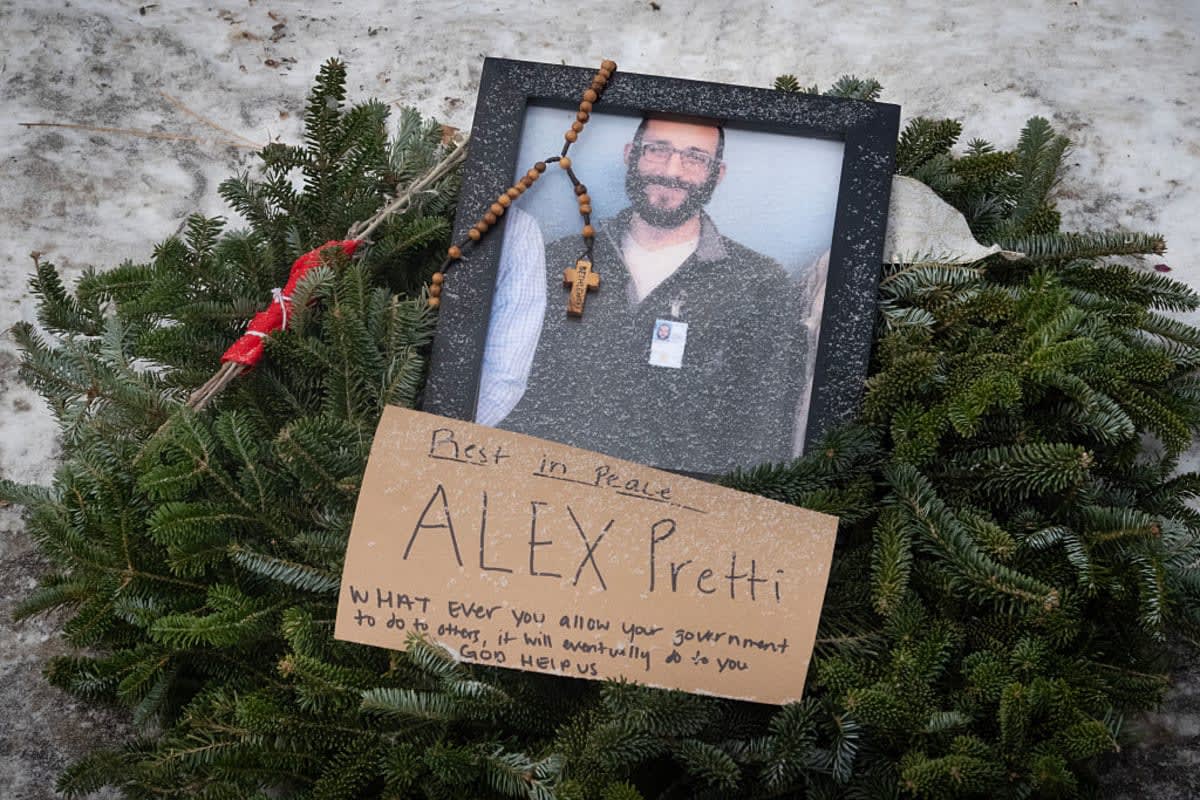
Alex Pretti, also 37, an intensive care nurse, died less than three weeks later, just 1.25 miles from Good’s death site. His fatal encounter with federal agents occurred during an anti-immigration rally on January 24, 2026. The proximity of their deaths intensified public scrutiny over federal enforcement practices, generating national conversations about accountability and the human impact of such operations.