Fox's Trey Yingst reveals CIA tricked Iran while missing airman hid 48 hours in enemy territory
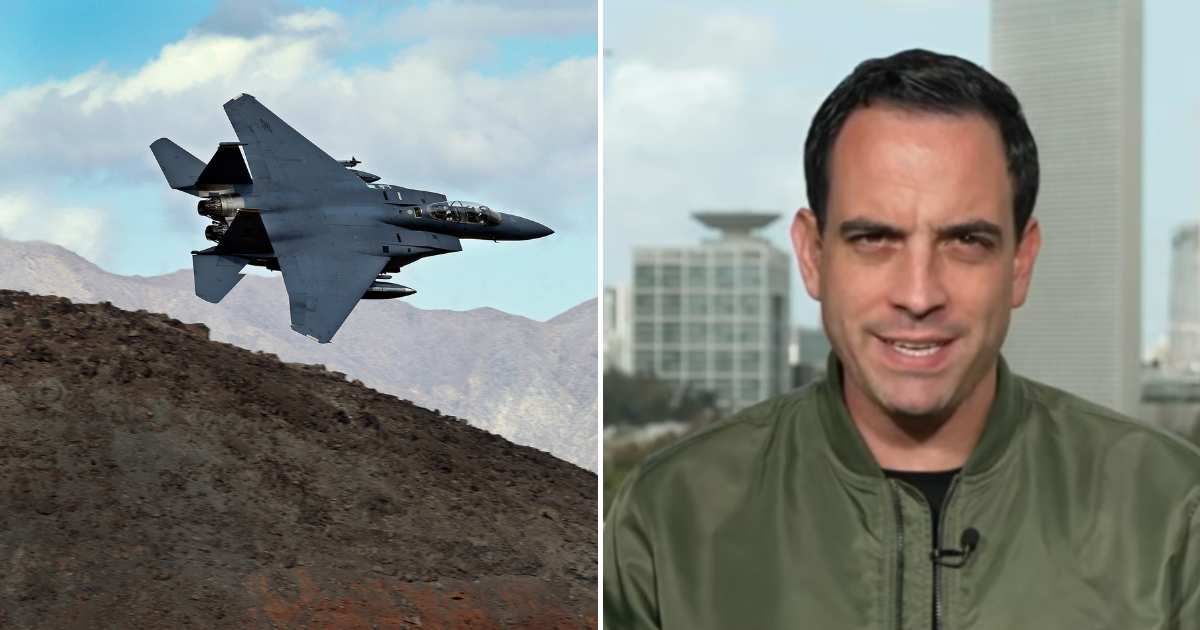
WASHINGTON, DC: A dramatic new account from Fox News' Trey Yingst is shedding light on what he described as an “extraordinary” rescue mission deep inside Iranian territory - one that involved deception, precision strikes, and a US airman hiding for nearly two full days while enemy forces closed in.
Speaking on Fox News on Sunday, April 5, Yingst laid out a gripping timeline of how the operation unfolded, with the missing crew member stranded in hostile terrain as Iranian forces actively searched for him.
🚨 NEW: Fox’s Trey Yingst on the INCREDIBLE rescue of airman: “What took place was nothing short of extraordinary.”
— TV News Now (@TVNewsNow) April 5, 2026
“The CIA was using deception tactics on the ground to make the Iranians think they’d already located the pilot.”
“This crewman was inside enemy territory for… pic.twitter.com/ZuUA50eq8p
Trey Yingst claims CIA used deception tactics
“What took place was nothing short of extraordinary,” Yingst said, describing a coordinated effort that relied not just on military force, but also intelligence tactics designed to mislead.
According to Yingst, “the CIA was using deception tactics on the ground to make the Iranians think that they'd already located the pilot.”
That strategy appears to have bought crucial time, as the missing airman remained hidden “inside of enemy territory for almost 48 hours.”
The danger was constant. Iranian forces, he said, were “actively looking for this crew member on the ground,” even offering financial incentives to civilians.
“They were also offering a reward of thousands of dollars to any Iranian civilians who could capture him and then take him into IRGC hands,” Yingst reported.
Additional footage from Iran shows two C‑130s destroyed by U.S. forces during the rescue of a downed F‑15E crew. https://t.co/zWD2Q0RB3d pic.twitter.com/ibhu3lPYwx
— Open Source Intel (@Osint613) April 5, 2026
As those forces moved closer, the US escalated its response. “As these Iranian forces approached this crew member where they were hiding along a mountain ridge, there were strikes that took place against the Iranians,” he explained.
The goal was twofold: “to not only ensure that these forces couldn't reach the crew member, but also ensure that on the ground they couldn't get forces close to this location.”
Trey Yingst explains extreme vulnerability of pilots after ejection
Yingst emphasized just how vulnerable downed pilots are once they eject.
“When these pilots or crew members are ejecting from a plane, they have the systems within them that allow intelligence to track their location,” he said, but that doesn’t eliminate the risk.
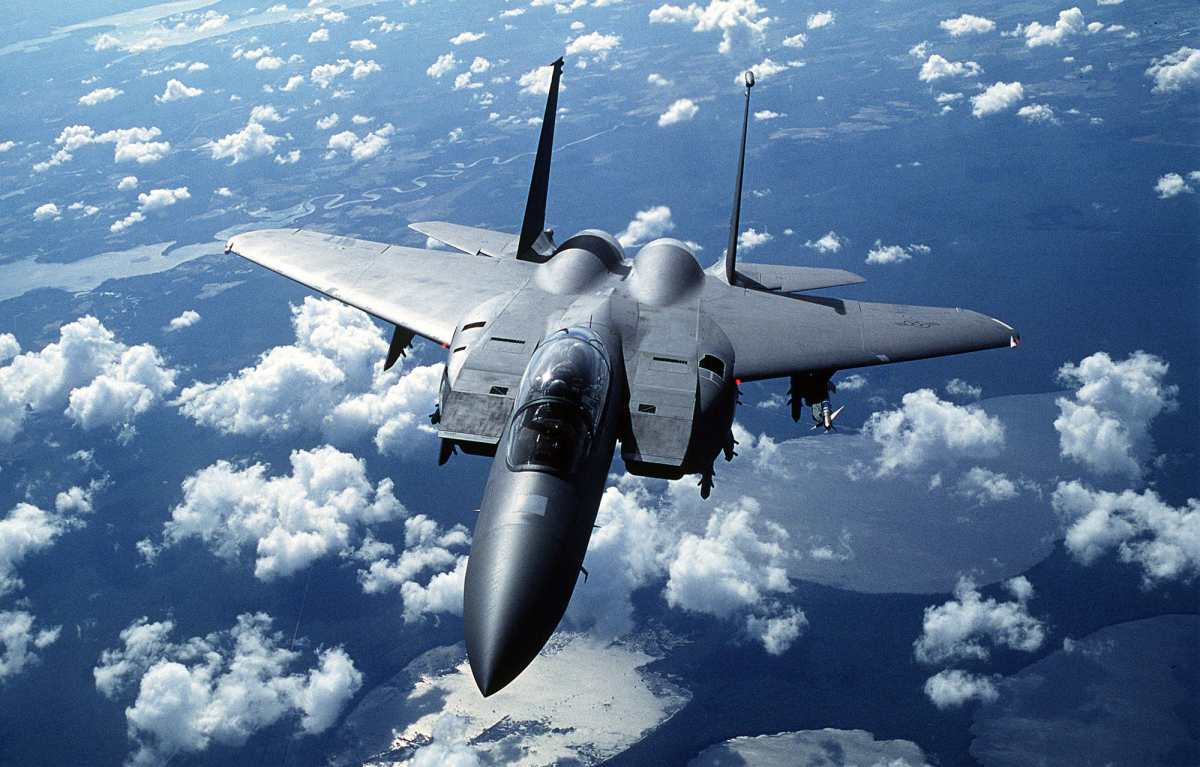
“They often just have a sidearm with them, and they're not able to defend themselves solely on the ground,” he added, highlighting the urgency behind the rescue.
Despite that isolation, Yingst said US leadership was closely monitoring the situation in real time.
Referencing remarks from President Donald Trump, he noted that “this crew member was never alone.”
“The United States of America, including the president himself and top military leadership, each and every hour was tracking the location of this crew member,” Yingst said.
🚨 BREAKING: @TreyYingst details his phone call with President Trump this morning about the ongoing negotiations with Iran.
— Fox News (@FoxNews) April 5, 2026
"The president tells me, 'If they don't make a deal, and fast, I'm considering blowing everything up and taking over the oil.'" | @foxandfriends pic.twitter.com/Si0GDQUOnH
That constant surveillance ultimately guided a large-scale rescue effort involving “hundreds of special forces” and “dozens of US military planes” to pinpoint and extract the stranded airman.
Trump warns of escalation as negotiations continue
In a separate development, Yingst revealed he also spoke directly with President Trump for 15 minutes via a phone call, offering insight into the broader geopolitical stakes surrounding the incident.
According to Yingst, Trump issued a stark warning about ongoing negotiations with Iran.
“If they don't make a deal and fast, I'm considering blowing everything up and taking over the oil,” the president said, adding, “You're going to see bridges and power plants dropping all over their country.”
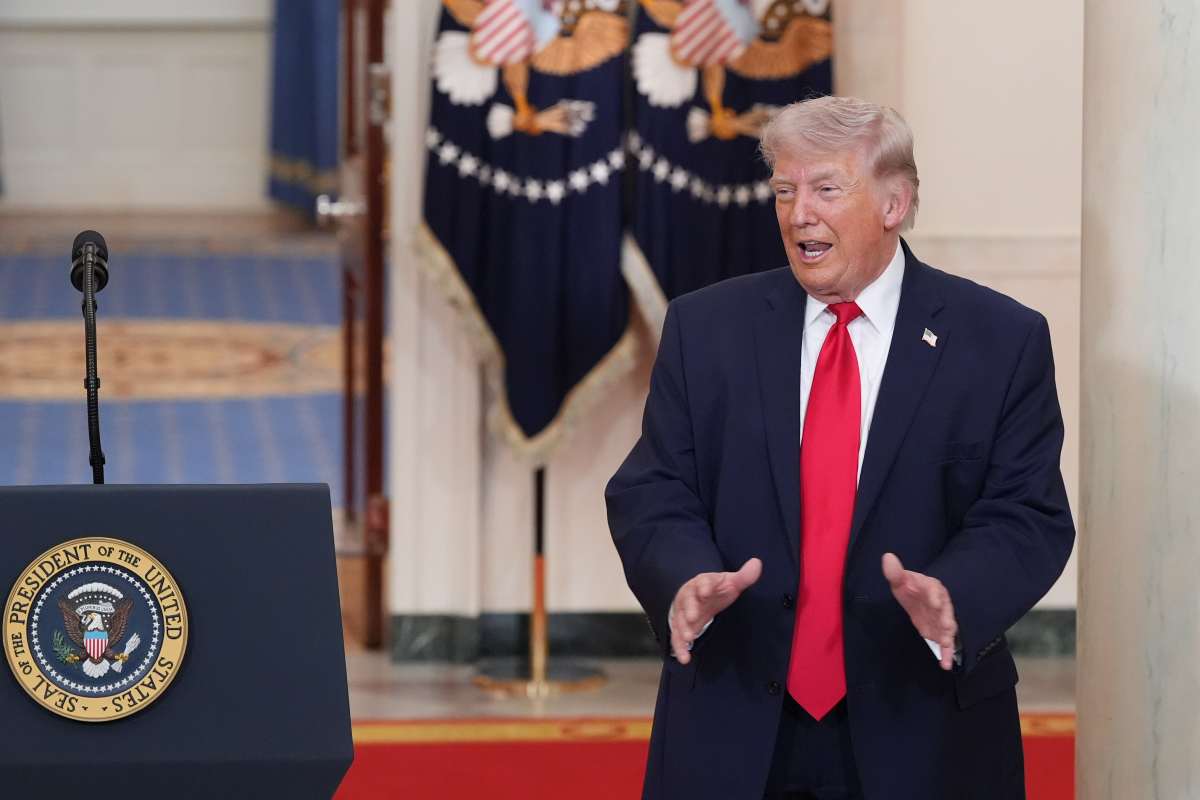
At the same time, Trump suggested diplomacy was still on the table.
He noted that Iranian negotiators had been “granted amnesty” to continue talks and expressed optimism: “I think there's a good chance tomorrow, they're negotiating now.”