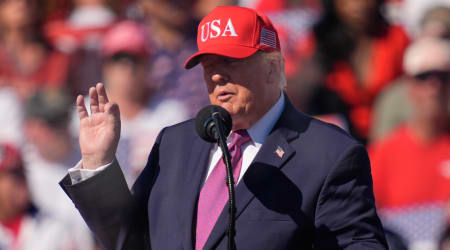
Gabbard sidesteps Iran threat question, says Trump alone decides ‘imminent threat’
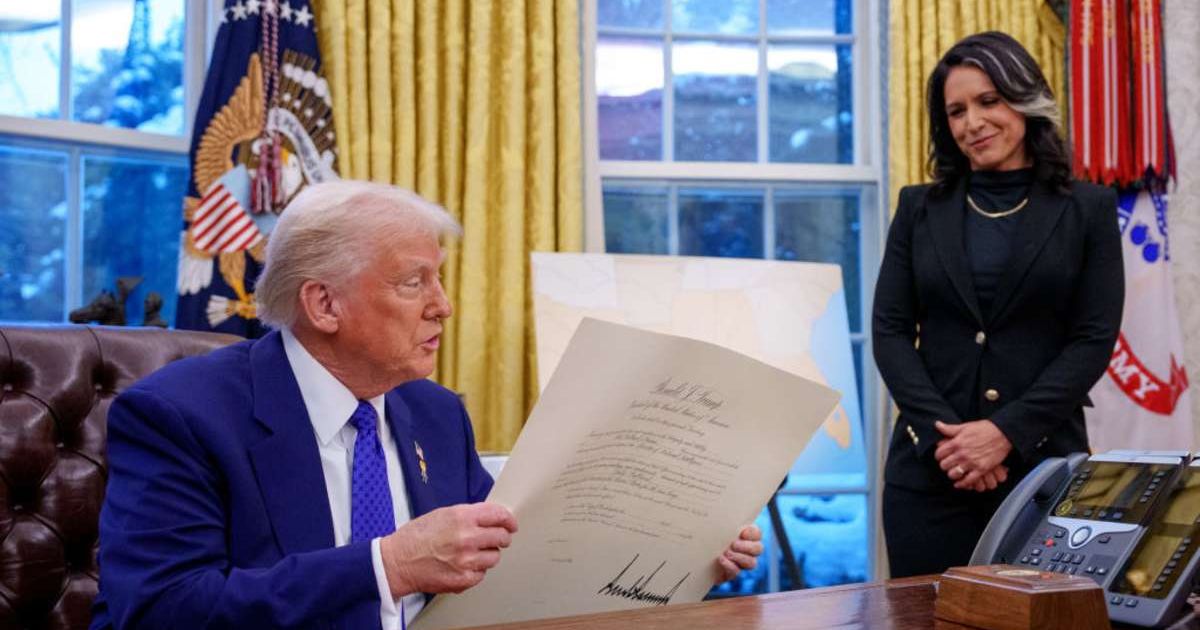
WASHINGTON, DC: Tulsi Gabbard, the Director of National Intelligence, is under fire for saying that it was up to President Donald Trump to decide whether Iran was an "imminent threat." This contrasts sharply with her previous statements about the dangers of war with Tehran.
Gabbard made her statement after her deputy, Joe Kent, resigned. Kent wrote a letter claiming that false information from foreign officials and media had influenced Trump's view on Iran.
Gabbard's careful wording draws attention
Tulsi Gabbard, responding to the resignation of her deputy, Joe Kent, issued a statement that does not mention him directly but challenges a central claim in his resignation letter: that “high-ranking Israeli officials and influential members of the American media” used misinformation to deceive Donald Trump “into believing that Iran posed an imminent threat to the United States.”
Donald Trump was overwhelmingly elected by the American people to be our President and Commander in Chief. As our Commander in Chief, he is responsible for determining what is and is not an imminent threat, and whether or not to take action he deems necessary to protect the…
— DNI Tulsi Gabbard (@DNIGabbard) March 17, 2026
Without naming Kent directly, Gabbard pushed back on that claim, emphasizing the president’s authority.
“Donald Trump was overwhelmingly elected by the American people to be our President and Commander in Chief," she said.
She added that her office “is responsible for helping coordinate and integrate all intelligence to provide the President and Commander in Chief with the best information available to inform his decisions.”
Gabbard concluded that Trump had reviewed the intelligence, determined Iran posed a threat, and took action based on that assessment.
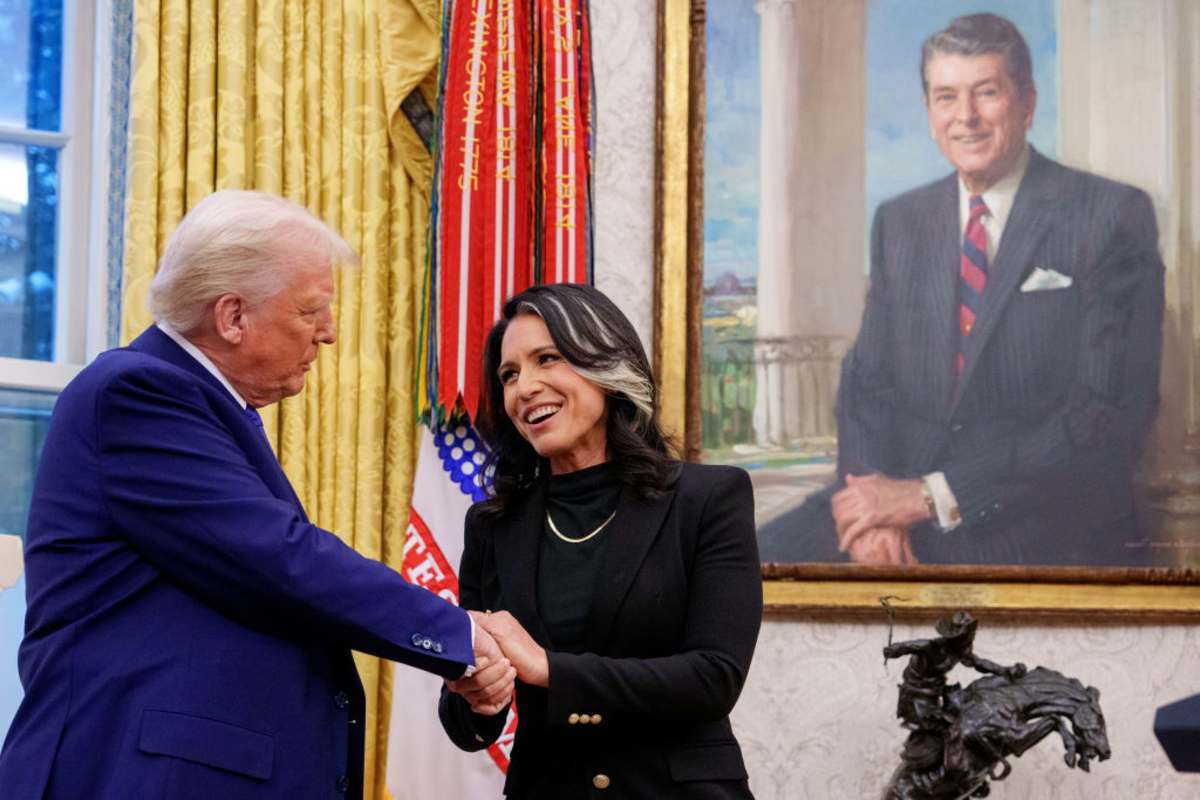
“After carefully reviewing all the information before him, President Trump concluded that the terrorist Islamist regime in Iran posed an imminent threat and he took action based on that conclusion,” Gabbard concluded.
A shift from past positions
The cautious tone marks a notable shift from Gabbard’s earlier views.
Gabbard's reluctance to share her thoughts on the war contrasts sharply with her statements during her 2020 Democratic presidential campaign.
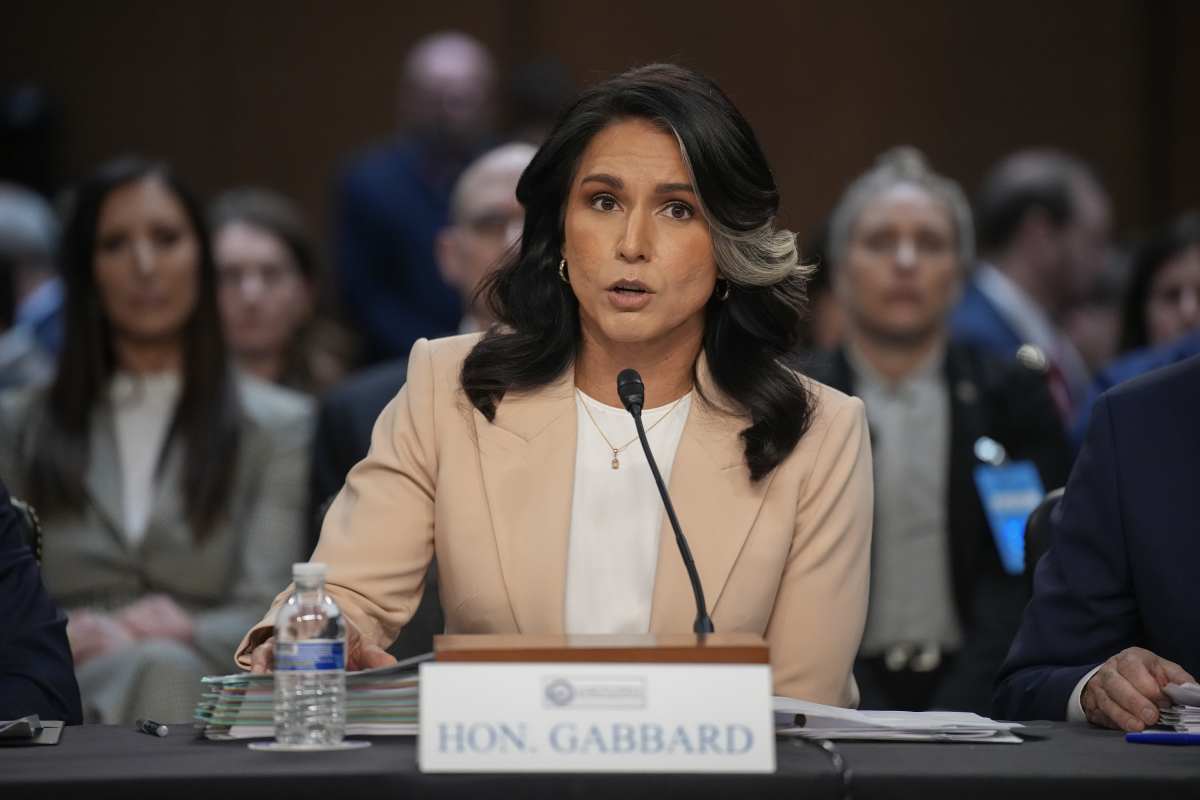
At that time, she ran ads claiming that Trump wanted to start a war with Iran and told Fox News viewers, "War with Iran would make Iraq/Afghanistan wars seem like a picnic."
During that campaign, Gabbard also told supporters that Trump had set “a dangerous precedent” in Iran by designating “the military of another country a terrorist organization,” and boasted that, as a congresswoman, she had introduced the No More Presidential Wars Act.
That act “would make it an impeachable offense for any president to bypass Congress and to unilaterally go and start waging a war in another country.”

Gabbard has also previously stated that intelligence could be misused to justify military action.
In an earlier interview, she said that parts of the intelligence community could be influenced by the "military-industrial complex" and might alter information in ways that could lead to unnecessary wars.