Trump’s revolving briefing room: What happened to all 5 of his White House press secretaries?
Sean Spicer
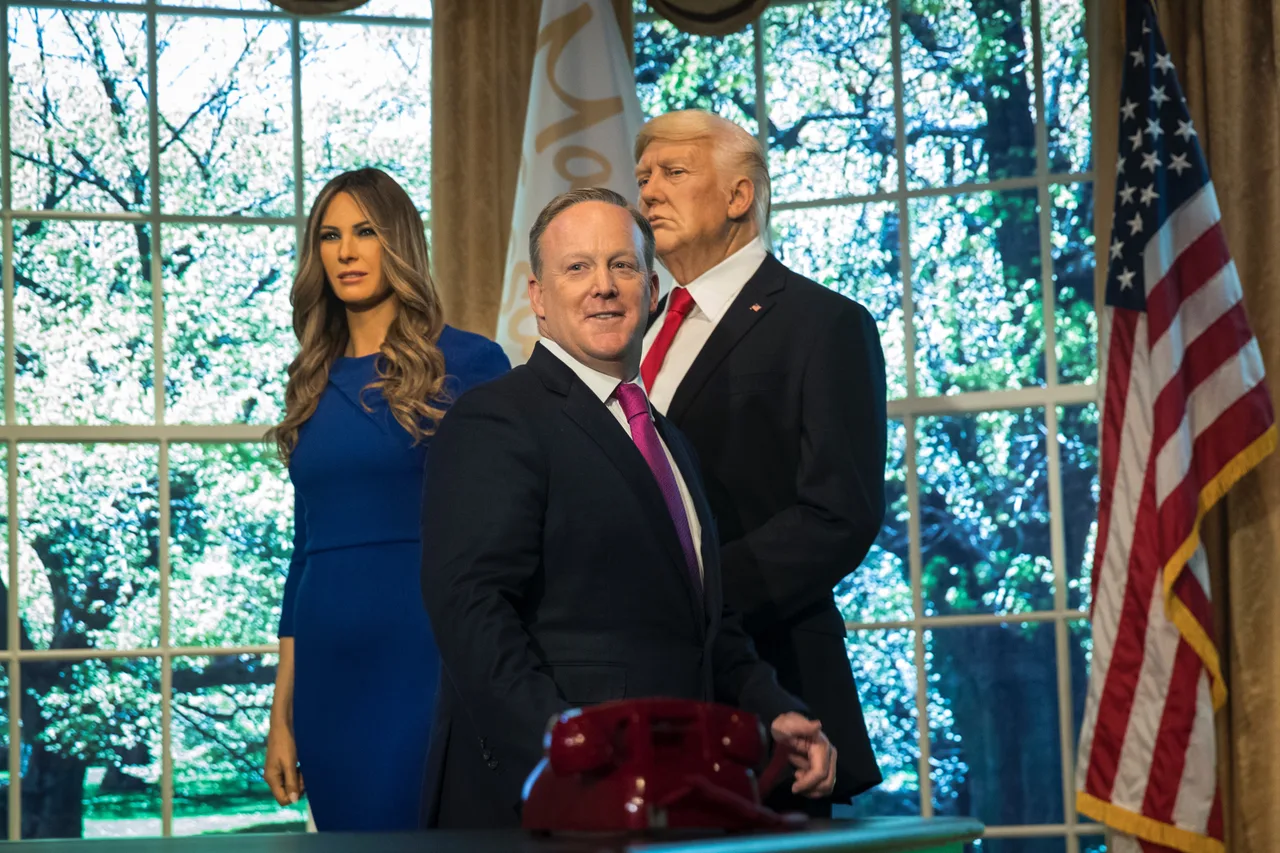
Sean Spicer entered the Trump White House in January 2017 with the difficult task of introducing a new administration to the press corps. His first appearance in the briefing room became famous after he fiercely disputed media estimates of the crowd at Trump’s inauguration. The episode immediately established the combative relationship between Trump’s communications operation and the journalists covering it. But Spicer’s tenure was short-lived. He resigned in July 2017 after Trump appointed financier Anthony Scaramucci as White House communications director, a decision Spicer reportedly strongly opposed. His departure came just six months after Trump took office. Scaramucci’s own tenure proved even shorter: he was fired as communications director after just 10 days. After leaving the administration, Spicer moved into television and publishing. He competed on 'Dancing with the Stars,' hosted a show on Newsmax and wrote books about his experiences in politics.
Sarah Huckabee Sanders
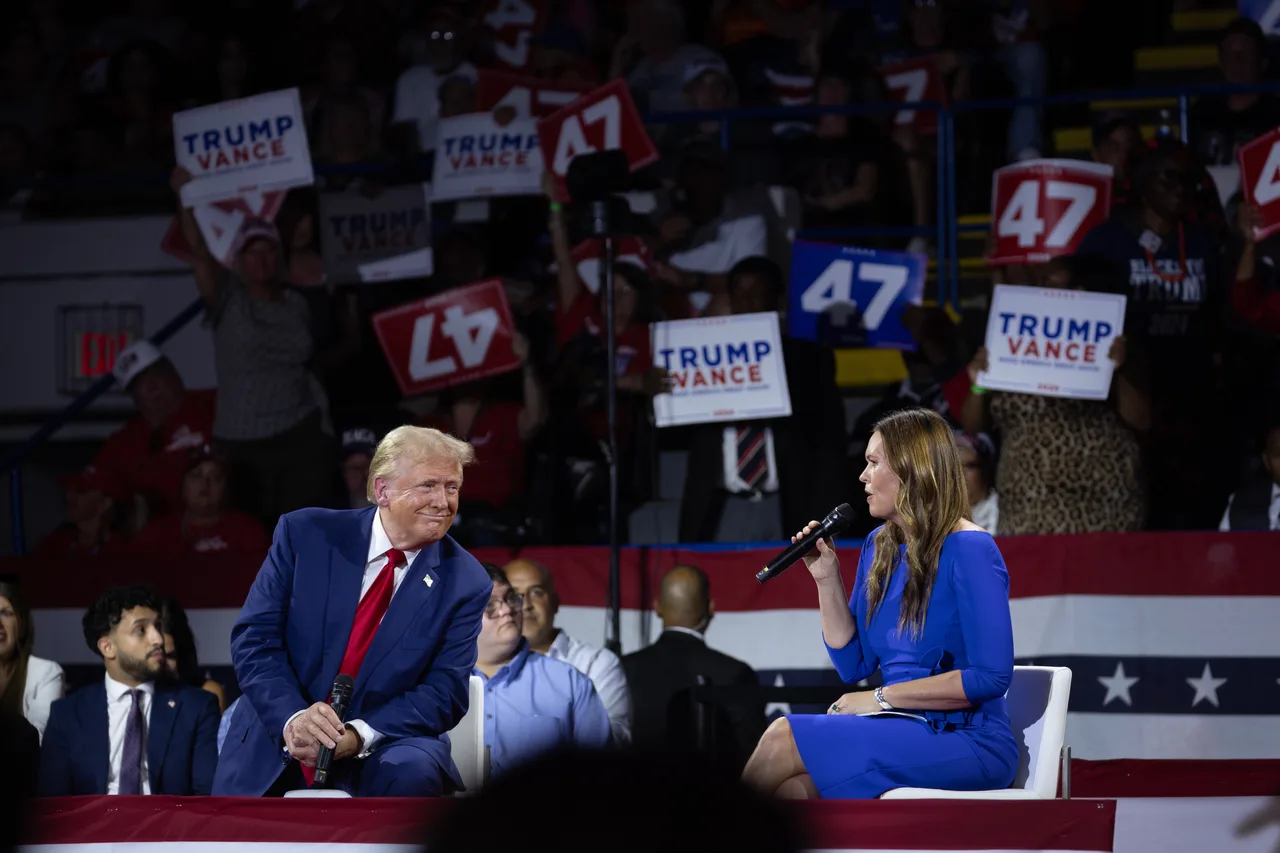
Sarah Huckabee Sanders initially joined Trump's administration as deputy press secretary before succeeding Spicer in July 2017. Her tenure lasted considerably longer than her predecessor’s, but it also coincided with a major shift in the role of the traditional White House briefing. Briefings became progressively less frequent as Trump increasingly acted as his own spokesperson, regularly answering questions from reporters during events. Sanders’s final formal briefing was held in March 2019. Trump announced in June 2019 that Sanders would leave the White House at the end of that month, bringing her nearly two-year stint as press secretary to a close. Leaving Washington ultimately opened the door to an even bigger political job. Sanders returned to her home state of Arkansas and launched a gubernatorial campaign. She won the 2022 election and was sworn in as governor in January 2023, becoming the first woman to lead the state. Of Trump’s five press secretaries, Sanders has so far made the most significant leap into elected office.
Stephanie Grisham
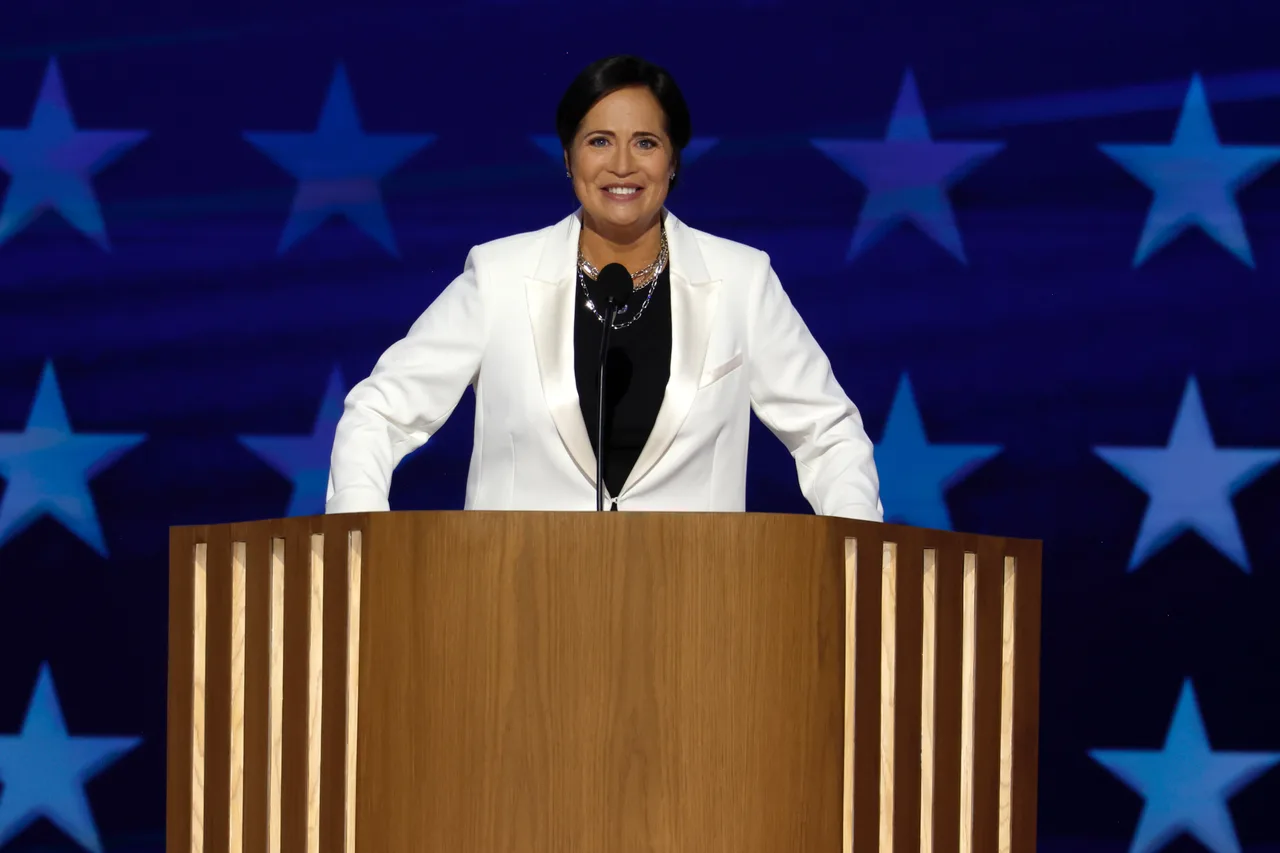
Trump selected the longtime Melania Trump aide, Stephanie Grisham, to replace Sanders in 2019. In addition to serving as press secretary, Grisham also took on the role of White House communications director. But despite her title, she never held a formal White House press briefing during her tenure. Grisham argued that Trump himself was extraordinarily accessible to reporters and that Americans could hear directly from the president rather than relying on a spokesperson. Her tenure ended in April 2020, when she returned to the first lady's staff as Melania Trump's chief of staff. Grisham's relationship with the Trump family later changed dramatically. She resigned from Melania Trump's staff on Jan 6, 2021, following the attack on the US Capitol, and subsequently became a public critic of the former president. Her trajectory arguably represents the biggest reversal among Trump's press secretaries: from one of the family's longest-serving communications aides to an outspoken critic.
Kayleigh McEnany
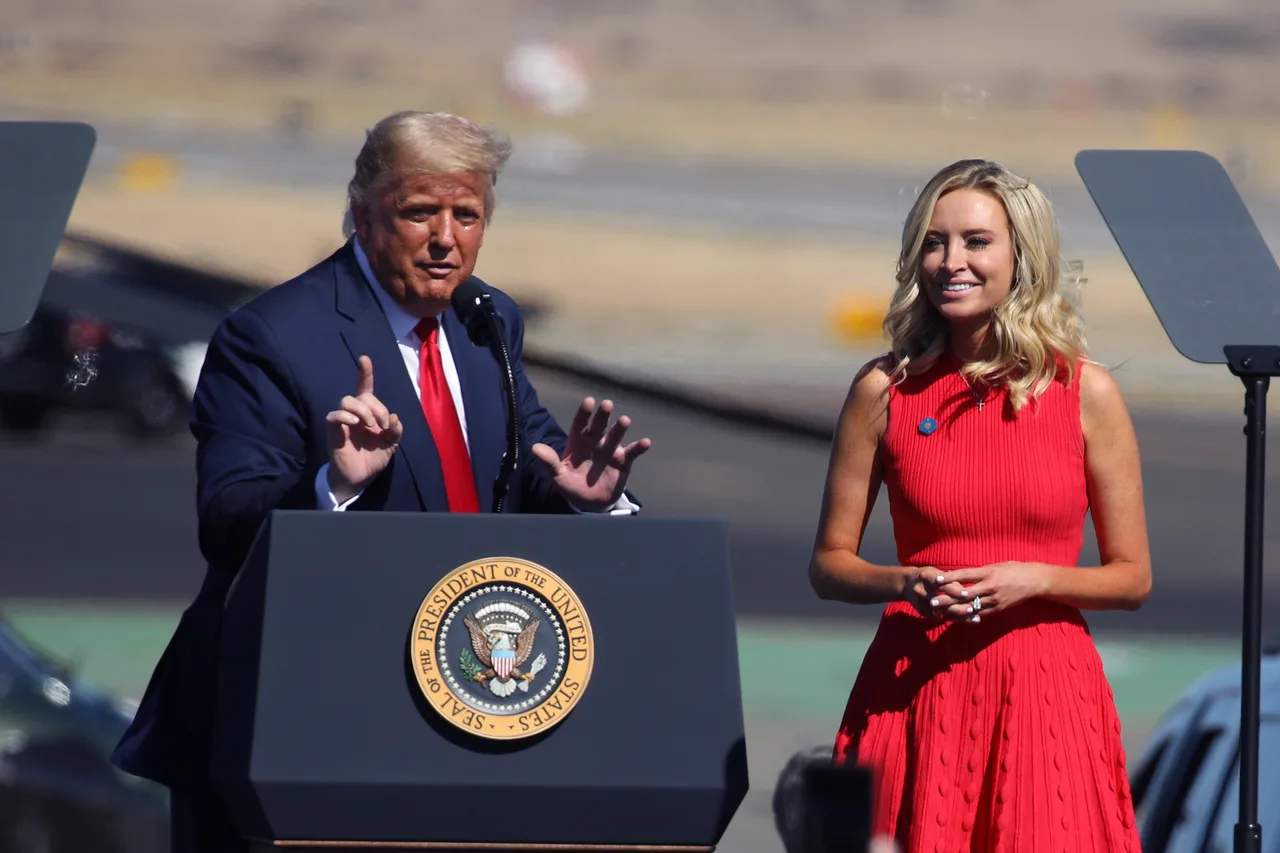
Kayleigh McEnany arrived in April 2020 as the coronavirus pandemic dominated Trump's presidency. She brought televised White House briefings back. A former CNN contributor and Trump campaign spokesperson, McEnany quickly became known for arriving at the podium armed with thick binders and carefully prepared responses. McEnany remained press secretary through the end of Trump's presidency rather than resigning midway through the administration. Her final White House briefing came on Jan 7, 2021, the day after the Capitol attack. She delivered a short statement condemning the violence and left without answering reporters' questions. When Trump's term ended on Jan 20, so did McEnany's tenure. She subsequently moved into television, joining Fox News as an on-air contributor.
Karoline Leavitt
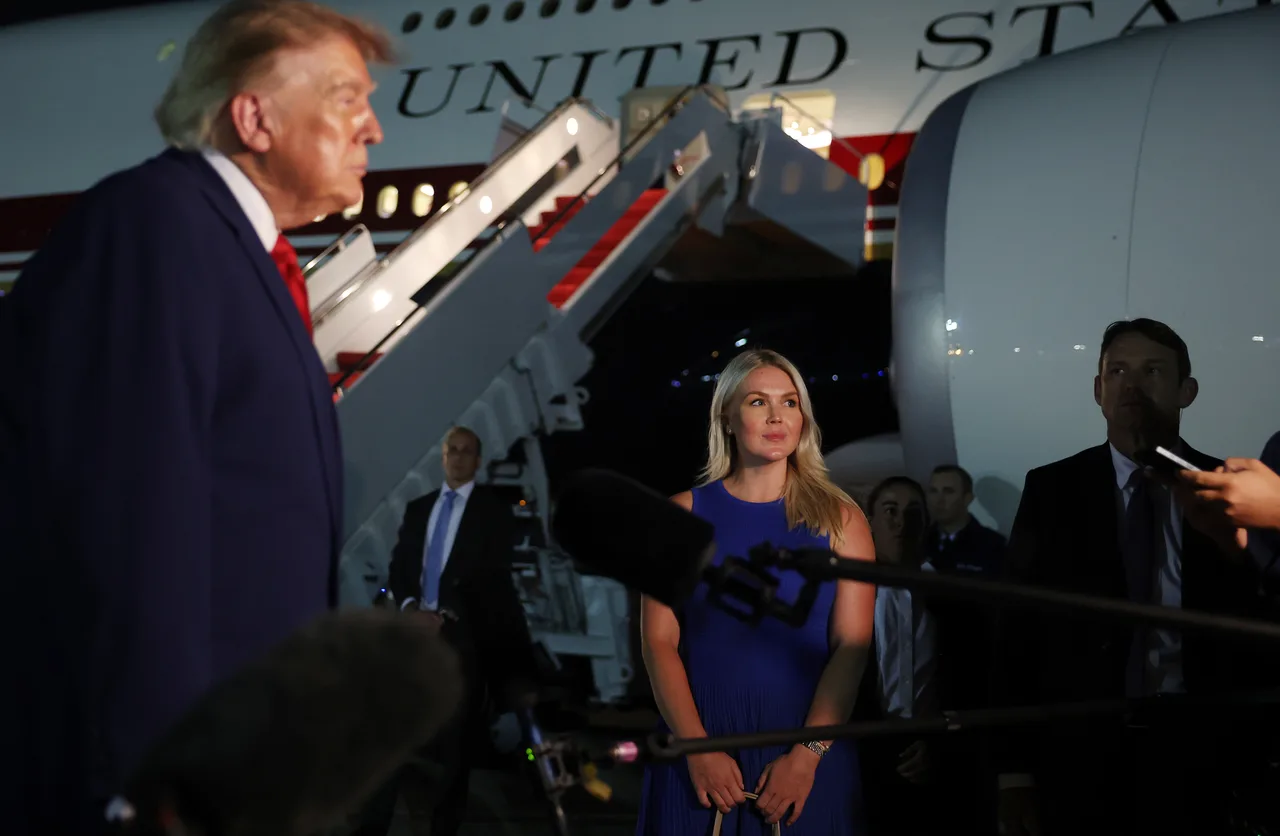
When Trump returned to the White House in January 2025, he chose a significantly younger face to represent his second administration. Karoline Leavitt was 27 when she took the job, making her the youngest White House press secretary in US history. Leavitt was hardly new to Trump's orbit. She had worked in his first administration, served as communications director for Rep Elise Stefanik, unsuccessfully ran for Congress in New Hampshire and became Trump's national campaign press secretary during the 2024 election. At the White House, she quickly established a combative style of her own. Leavitt also made history on a personal level while serving in the demanding position. She gave birth to her second child, daughter Viviana, in May 2026 and subsequently took maternity leave before returning to work. Then, on Aug. 12, Trump announced that his fifth press secretary would be leaving. Leavitt, now 28, said she will step down at the end of August, describing it as a “bittersweet decision” driven by her desire to devote more time to her two young children.
Trump has often preferred to be his own spokesperson
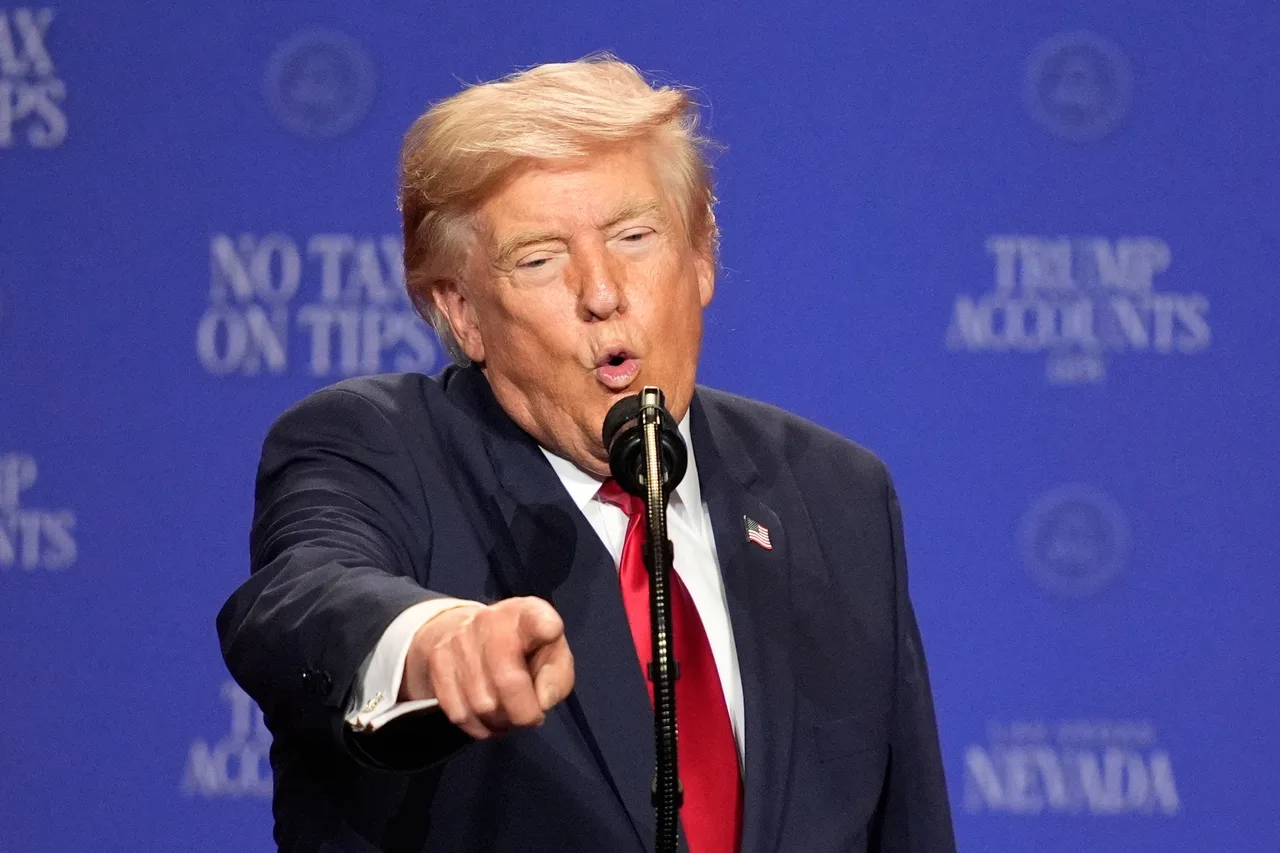
Five press secretaries in two administrations tells only part of the story. Trump has repeatedly upended the traditional function of the position by serving as his own chief communicator. During his first administration, formal briefings became increasingly scarce as Trump fielded questions himself during Oval Office appearances, events and impromptu exchanges with reporters outside the White House.