'Hormuz control is must': Iran withdraws from MoU, accuses US of violating ceasefire
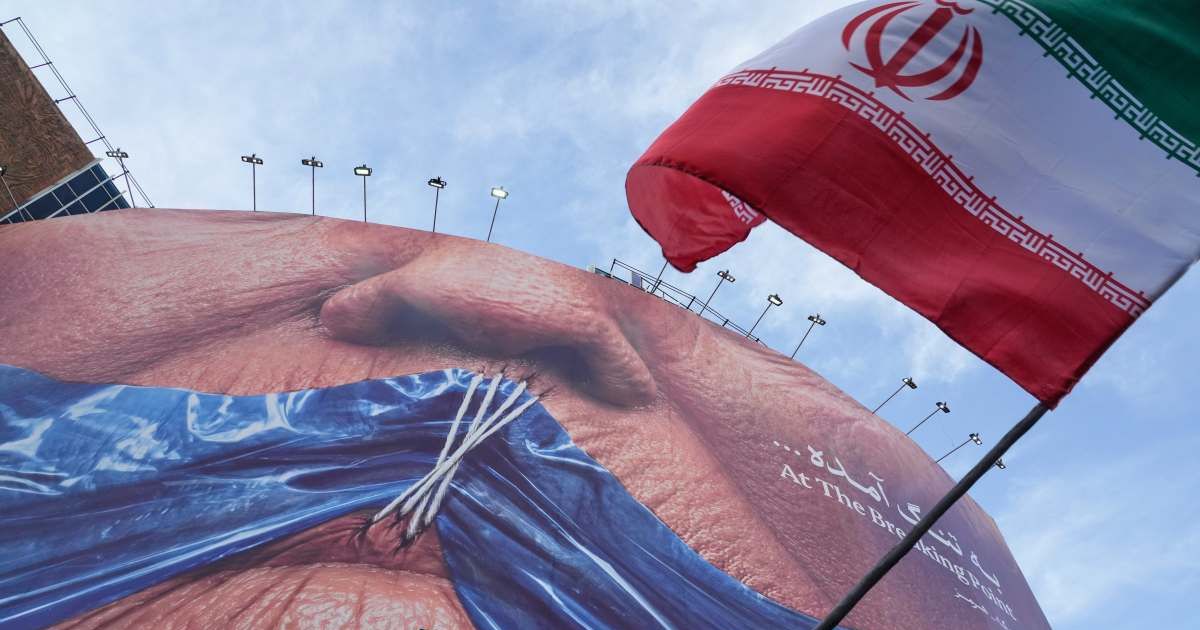
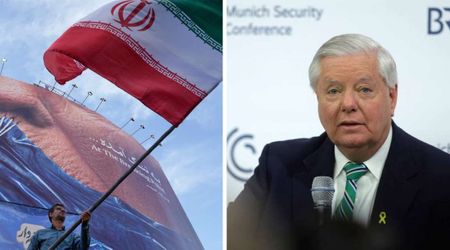
WASHINGTON, DC: Iran has withdrawn from its Memorandum of Understanding (MoU) with the United States, accusing Washington of violating the agreement by reinstating a naval blockade on Iranian ports and ships.
The move marks a major escalation in the ongoing US-Iran conflict and raises fresh concerns over global oil supplies through the Strait of Hormuz.
BREAKING: Iran announces its full withdrawal from the Memorandum of Understanding due to US violations, with Iran's Deputy Foreign Minister Gharibabadi saying Iran will exercise "full sovereignty over the Strait of Hormuz, no matter the costs," including Oman's half, adding that…
— The Hormuz Letter (@HormuzLetter) July 14, 2026
Iran claims full control of Strait of Hormuz
According to Iran's semi-official Tasnim News Agency, Deputy Foreign Minister Kazem Gharibabadi said Iran would exercise "full sovereignty over the Strait of Hormuz" and that, during wartime, "Iran must control all of the Strait," including waters traditionally shared with Oman.
Just prior to this evenings dinner at Versailles in France, hosted by President @EmmanuelMacron—President @realDonaldTrump signed the Iran Memorandum of Understanding, once Secretary Rubio received it…
— Dan Scavino (@Scavino47) June 17, 2026
“A pretty key moment in history we are sharing together…” @SecRubio pic.twitter.com/sLYi6G9TM3
He said the US had "completely dismantled" the June 17 MoU by imposing a naval blockade and vowed that Iran "will never request negotiations with the United States."
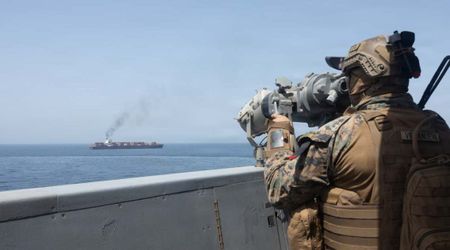
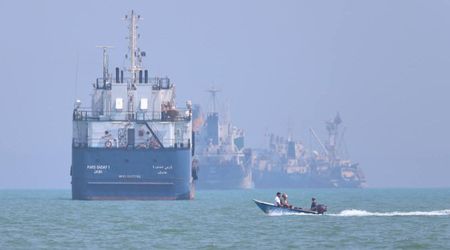
The Strait of Hormuz is one of the world's most critical shipping lanes, carrying about 20% of global oil trade. Iran had previously shut the waterway after joint US-Israeli strikes triggered the conflict earlier this year.
Donald Trump warns of more strikes
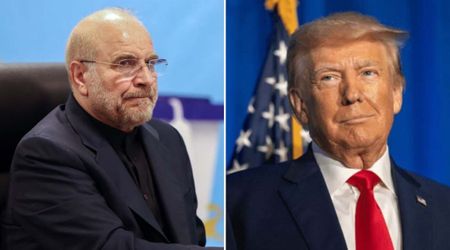
The announcement comes after President Donald Trump declared the ceasefire with Iran "over" and threatened a broader military campaign unless Tehran returned to negotiations.
"We're going to hit them very hard," Trump said, warning that future strikes could target Iran's power plants, bridges and energy infrastructure if no deal is reached.
.@POTUS on Iran: "We're going to hit them very hard tonight. We're going to hit them very hard tomorrow night. We're going to hit them very hard the night after... We're going to knock out all their power plants, we're going to knock out all their bridges, unless they get to the… pic.twitter.com/kPhMQKHqe9
— Rapid Response 47 (@RapidResponse47) July 14, 2026
The June MoU had aimed to end hostilities within 60 days, restore commercial shipping through the Strait of Hormuz and create a framework for resolving disputes over Iran's nuclear program.
Iran's withdrawal effectively ends that agreement, increasing the risk of further military escalation and renewed disruption to global energy markets as tensions between Tehran and Washington continue to intensify.