‘Era of one-sided deals is over’: Iran's Ghalibaf warns as Tehran strikes US sites across Gulf
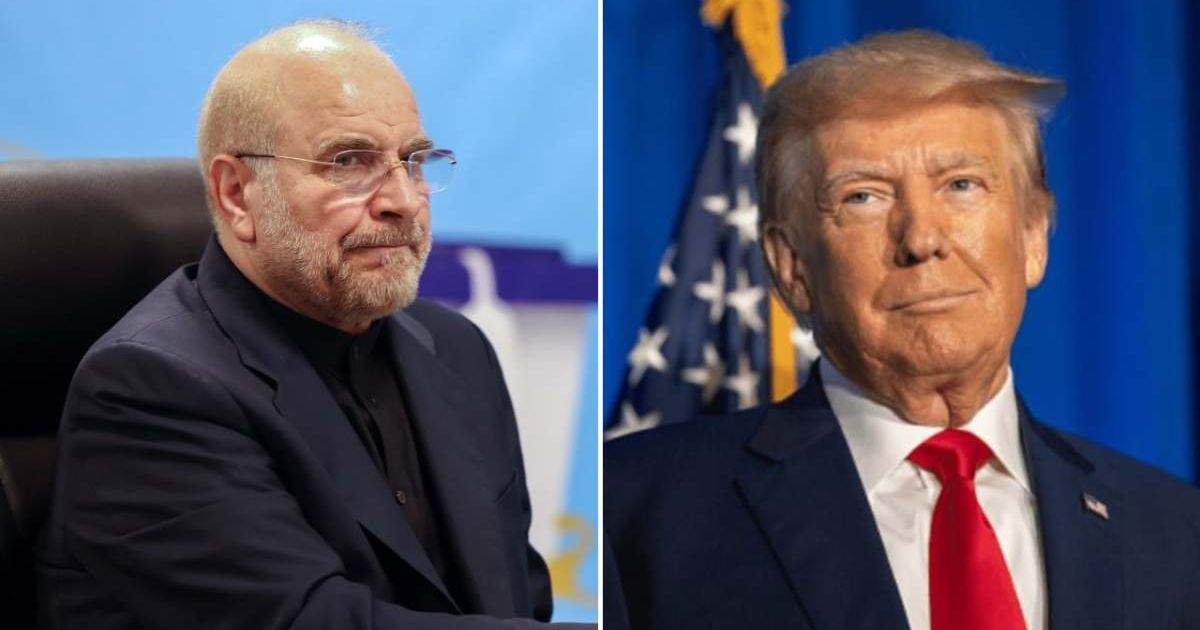
TEHRAN, IRAN: Iranian Parliament Speaker Mohammad Bagher Ghalibaf warned that "the era of one-sided deals is over" on Sunday, July 12, as Tehran and Washington exchanged another round of military strikes, further escalating tensions over the Strait of Hormuz and threatening the memorandum of understanding (MoU) signed only weeks ago.
Iranian state media reported that Tehran launched attacks targeting US-linked military facilities in Qatar, Bahrain, Kuwait, Jordan and Oman after Washington carried out a third round of strikes against Iranian targets. The United States said its latest operation came in response to fresh Iranian attacks on commercial shipping in the Strait of Hormuz.
Mohammad Bagher Ghalibaf warns US as Iran claims attacks across Gulf
Ghalibaf posted a message on X (formerly Twitter) declaring that "The era of one-sided deals is over. We told you: keep your word or pay the price. Reality is knocking." His remarks accompanied references to provisions of the memorandum that he said required Iran to facilitate commercial navigation through the Strait of Hormuz for a limited period.
The era of one-sided deals is OVER. We told you: keep your word or pay the price. Reality is knocking. pic.twitter.com/B97ogCYGaj
— محمدباقر قالیباف | MB Ghalibaf (@mb_ghalibaf) July 12, 2026
Tehran said the waterway would remain closed until further notice, pointing to the MoU provision highlighted by Ghalibaf stating that "The Islamic Republic of Iran will make arrangements using its best efforts" to ensure free passage of commercial vessels through Hormuz "for 60 days only."
Iran says it launched missiles and drones at US-linked military sites in Bahrain, Kuwait, Jordan, Qatar and Oman in retaliation for renewed US strikes on southern Iran. pic.twitter.com/UxfKyfcV2Z
— Clash Report (@clashreport) July 12, 2026
The statement came as Iranian state media reported that the Islamic Revolutionary Guard Corps (IRGC) launched ballistic missiles at Al Udeid Air Base in Qatar, attacked logistics facilities supporting US naval vessels at Oman's Port of Duqm, carried out drone strikes against US military assets in Kuwait, and targeted military infrastructure in Bahrain and Jordan.
BREAKING: The IRGC claims it has struck a second vessel in the Strait of Hormuz, destroyed the command center housing fighter jets at Al Udeid Air Base in Qatar, and "smashed to pieces" the U.S. Navy's logistics and aircraft carrier refueling hub at Duqm Port in Oman.
— The Hormuz Report (@HormuzReport) July 12, 2026
The IRGC… https://t.co/5fCjjew75x
IRGC also claimed Tehran struck a second commercial vessel in the Strait of Hormuz after earlier announcing the strategic waterway's closure, warning that any further retaliation would receive a "severe response."
US confirms third round of strikes after week of escalating exchanges
US Central Command (CENTCOM) said American forces launched a third round of strikes against Iran after accusing the IRGC of attacking commercial vessels transiting the Strait of Hormuz.
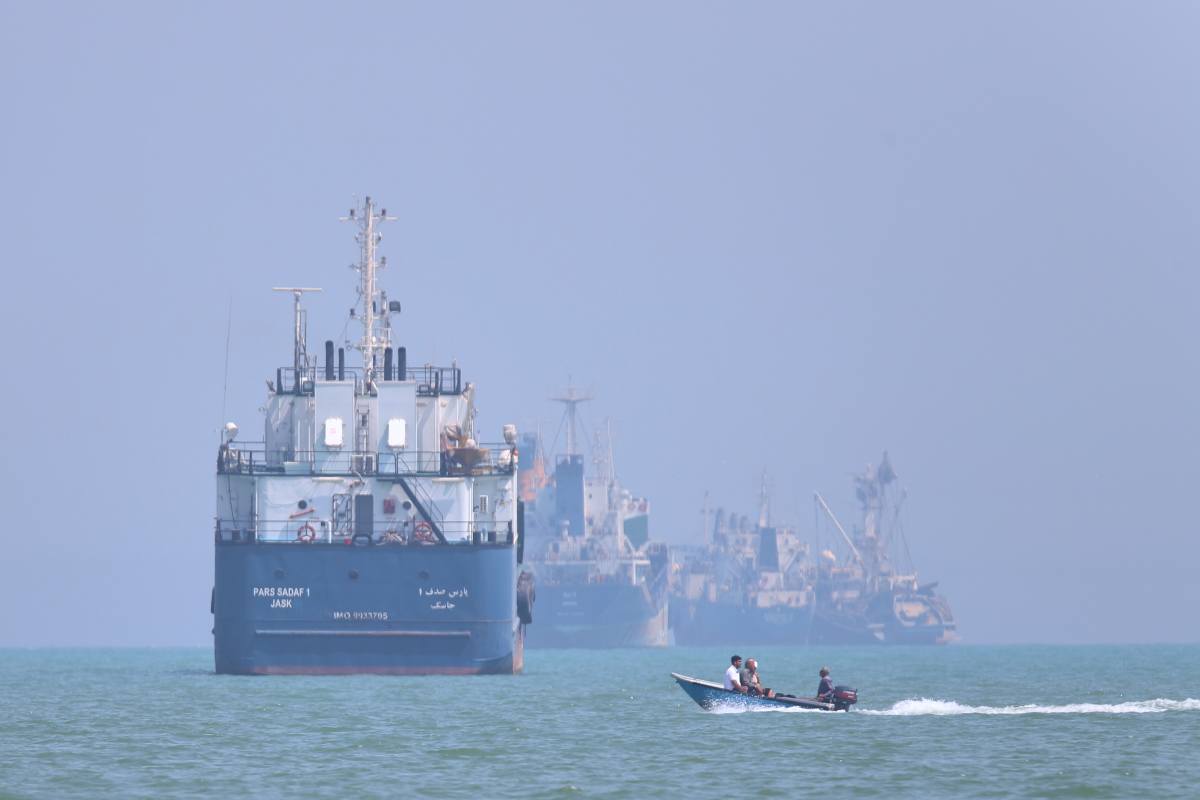
According to CENTCOM, about 140 Iranian military targets were struck on Saturday, including missile and drone sites, naval facilities, ammunition depots, communications infrastructure and coastal surveillance positions. The military said more than 300 targets had been hit during three nights of operations this week.
"Iran was provided yet another opportunity to demonstrate adherence to the Memorandum of Understanding after being held accountable for earlier attacks on commercial vessels but has again failed," CENTCOM said.
At 7:15 p.m. ET today, U.S. Central Command forces began launching the third round of strikes this week against Iran after Islamic Revolutionary Guard Corps forces blatantly attacked M/V GFS Galaxy, a Cyprus-flagged container ship transiting the Strait of Hormuz. A civilian crew…
— U.S. Central Command (@CENTCOM) July 11, 2026
The latest exchange followed a week of escalating military action between the two countries. The US carried out strikes on Tuesday and Wednesday after accusing Iran of attacking commercial shipping in the Strait of Hormuz, with President Donald Trump declaring the ceasefire effectively over.
The third round came a day after senior US officials warned Tehran to publicly commit to ending attacks on commercial vessels and guarantee that the Strait of Hormuz would remain open, cautioning that failure to do so would bring further consequences.