‘If you strike, you’ll get hit’: Iran claims strikes on US bases as Tehran warns of wider retaliation
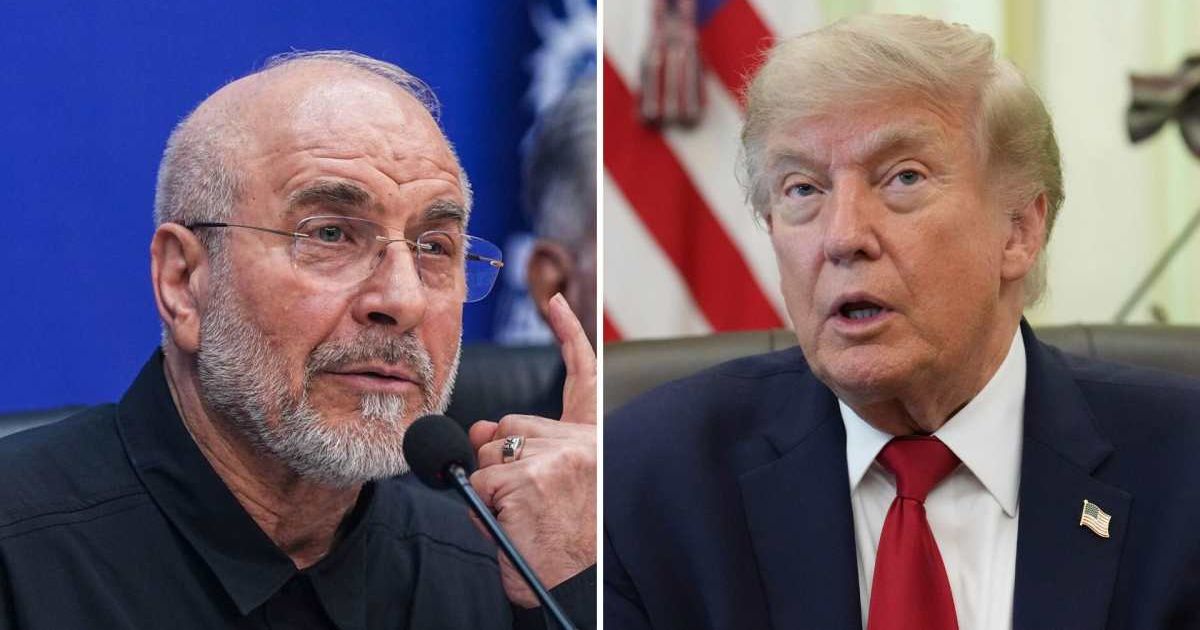
TEHRAN, IRAN: Iran’s parliament speaker and chief negotiator with the United States, Mohammad Bagher Ghalibaf, warned Washington against further military action as tensions between the two countries continued to escalate.
His remarks came after Iran claimed responsibility for attacks on US military facilities in Kuwait and Bahrain following another round of American strikes on Wednesday, July 8. The latest exchange marked a further deterioration in relations after both sides accused each other of violating the ceasefire framework reached last month.
Iran claims strikes on US bases in Kuwait and Bahrain
In a post on X, Ghalibaf warned the United States against further military operations, writing, "America still hasn’t learned that bullying and breaking promises are no longer cost-free." He added, "Don’t flail around pointlessly, or you’ll sink even deeper: the Strait of Hormuz will only open with ‘Iranian arrangements,’ not American threats."
Iran's Ghalibaf:
— Clash Report (@clashreport) July 9, 2026
America still hasn't learned that bullying and breaking promises are no longer cost-free. Let me put it plainly: if you strike, you'll get hit.
Don't flail around pointlessly, or you'll sink even deeper: the Strait of Hormuz will only open with "Iranian… pic.twitter.com/0rlXzg4bVm
Iran's Islamic Revolutionary Guard Corps (IRGC) said it launched a joint drone and missile operation targeting US military facilities in Kuwait and Bahrain. According to a statement carried by Iranian state media, the strikes targeted Camp Arifjan and Ali Al Salem Air Base in Kuwait, along with Shaikh Isa Air Base and Juffair in Bahrain, which hosts the US Navy’s Fifth Fleet.
The IRGC has announced that in what they call the “first stage” of Iranian strikes on their Gulf neighbors and U.S, bases and infrastructure, they targeted two U.S. bases in Kuwait, including Ali Salem Airbase, and U.S. bases in Bahrain. pic.twitter.com/qlfcYnh6DA
— OSINTdefender (@sentdefender) July 9, 2026
The IRGC said the attacks were carried out in response to recent US military operations targeting Iran’s southern coastal provinces and infrastructure. It also warned that any additional American retaliation would result in expanded strikes against other US military installations across the region.
New video appears to show an Iranian missile impact in Bahrain. Early geolocation by Faytuks Network suggests the strike occurred in the vicinity of the U.S. Fifth Fleet headquarters. pic.twitter.com/e5u5q6dNnl
— Open Source Intel (@Osint613) July 9, 2026
Authorities in Kuwait and Bahrain reported sirens sounding amid missile and drone threats, while Kuwait’s military said its air defense systems had been activated.
CENTCOM details fresh strikes as Trump says ceasefire is over
US Central Command (CENTCOM) said American forces had completed another round of military operations inside Iran, striking approximately 90 military targets.
According to CENTCOM, the operation targeted air defense systems, coastal surveillance assets, missile and drone storage sites, naval capabilities, and military logistics infrastructure along Iran’s coastline. The command said the strikes were intended to "further degrade Iran’s ability to attack commercial shipping and innocent civilian mariners in the Strait of Hormuz."
The latest operation followed an earlier wave of US strikes on Tuesday, July 7, after Washington accused Iran of attacking three commercial vessels transiting the Strait of Hormuz.
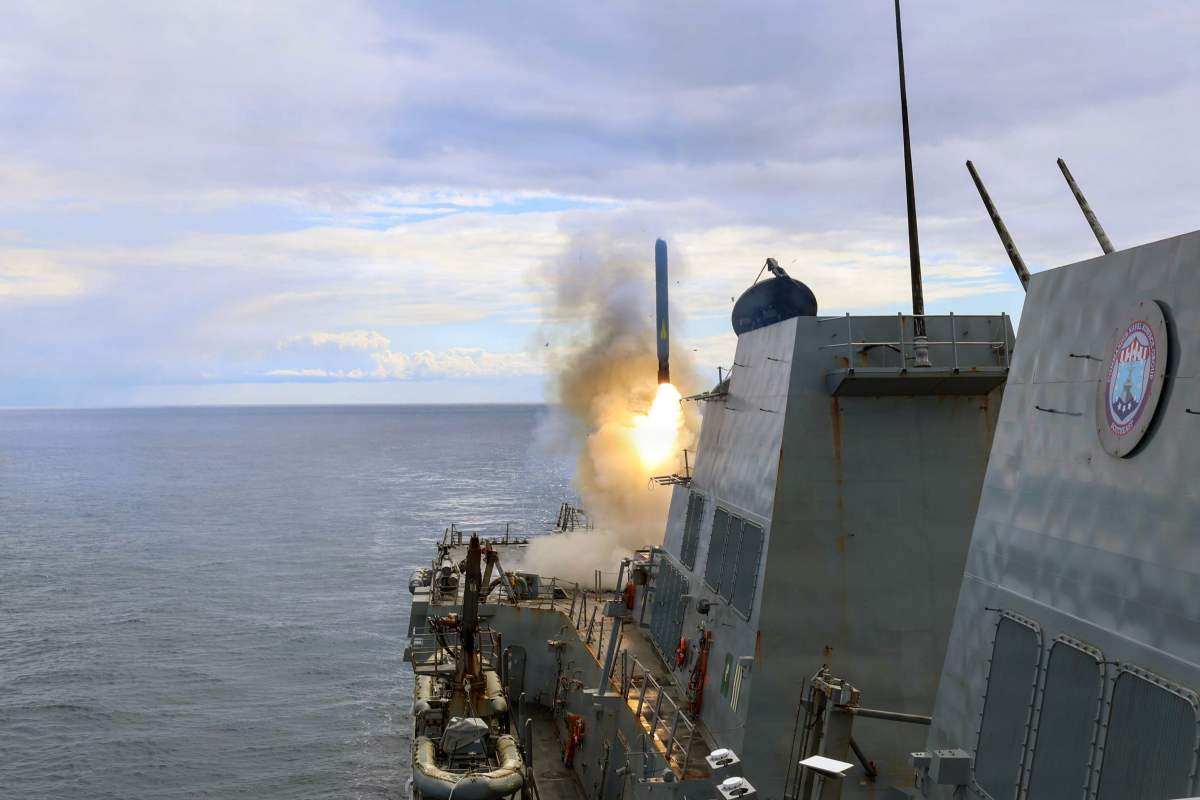
After the strikes, President Donald Trump defended the military operation, describing the strikes on Truth Social as "in retribution for yesterday's bombing of ships by Iran." He also warned Tehran, "If it happens again, it will get much worse!"
This is in retribution for yesterday’s bombing of ships by Iran. If it happens again, it will get much worse!
— Commentary Donald J. Trump Truth Social Posts On X (@TrumpTruthOnX) July 8, 2026
( TS: Jul 8 2026, 5:35 PM ET ) pic.twitter.com/cEp1lp4VWN
The latest escalation has cast fresh doubt over US-Iran negotiations under the 60-day ceasefire framework, which was designed to ease sanctions, reopen the Strait of Hormuz and resolve disputes over Iran's nuclear program.