Iran claims missile, drone strikes on US bases in Bahrain, Kuwait after fresh American attacks
WASHINGTON, DC: Iran's Islamic Revolutionary Guard Corps (IRGC) says it carried out missile and drone strikes against US military sites in Bahrain and Kuwait on Wednesday, July 8, in what it described as retaliation for fresh American attacks on Iranian military targets.
The reported operation marks another sharp escalation in tensions between Washington and Tehran, with both sides accusing the other of violating a fragile ceasefire agreement.
The latest exchange came only hours after the United States launched a new wave of strikes in response to attacks on commercial vessels in the Strait of Hormuz.
⚡️BREAKING: Iran has launched Massive waves of Retaliatory Strikes against US military bases in Bahrain and Kuwait pic.twitter.com/sXpSdY9NvV
— Iran Observer (@IranObserver0) July 8, 2026
Iran says it targeted US military bases, shot down MQ-9 Reaper drone
According to the IRGC, Iranian forces launched a joint missile and drone operation against several American military locations in the Gulf region.
The group said the operation targeted Bandar Salman, Bahrain's Fifth Naval District and Ali Al Salem Air Base in Kuwait.
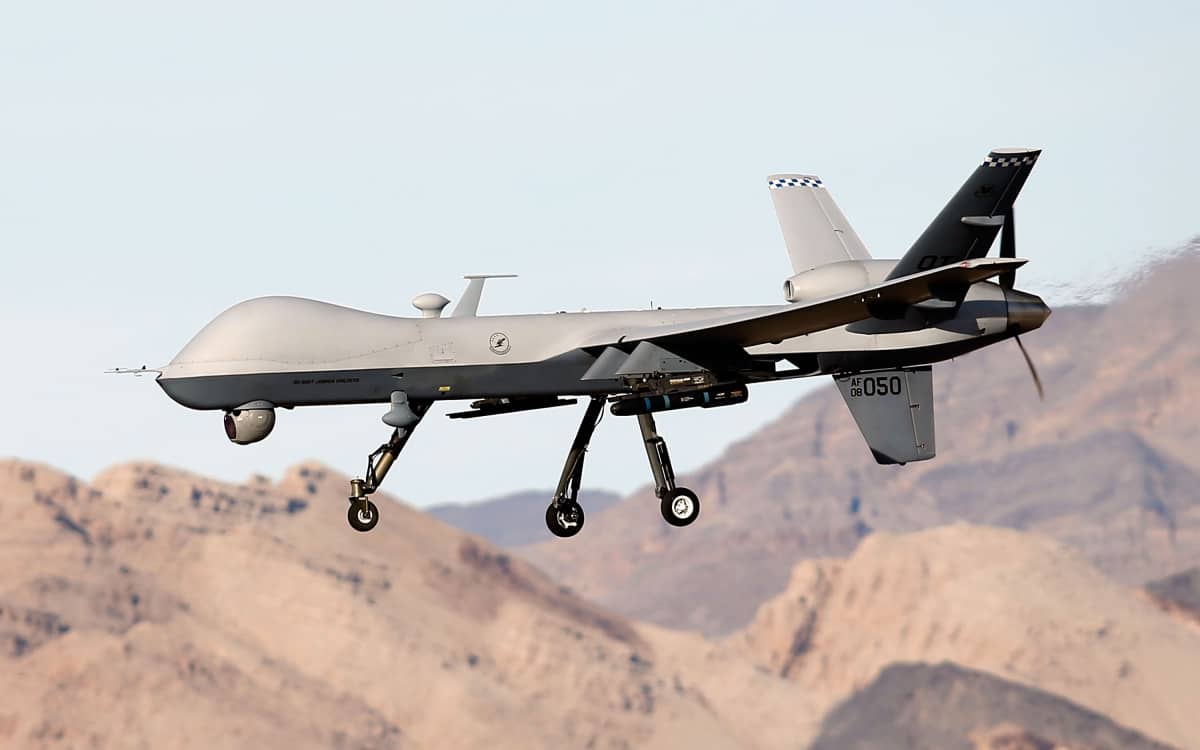
Iran also claimed it shot down a US MQ-9 Reaper drone that was allegedly attempting to interfere with the operation.
Air raid sirens sounded across Bahrain and Kuwait as the reported attacks unfolded.
The Kuwaiti army later said its air defense systems were responding to what it described as "hostile" missile and drone attacks.
At the time of reporting, the US military had not commented on Iran's claims or confirmed any damage to its facilities or aircraft.
US says strikes were response to attacks on commercial shipping
Earlier in the day, the United States launched fresh military strikes against Iran and also revoked its authorization allowing Iranian oil sales.
According to US Central Command, the military operation targeted more than 60 small boats belonging to the Islamic Revolutionary Guard Corps, along with other assets.
CENTCOM said the strikes were intended to impose a heavy cost on Iran after attacks on three commercial vessels traveling through the Strait of Hormuz.
U.S. Central Command forces have begun launching a series of powerful strikes against Iran to impose heavy costs for targeting and attacking commercial shipping crewed by innocent civilians in an international waterway. The U.S. strikes are in response to Iranian attacks on three…
— U.S. Central Command (@CENTCOM) July 7, 2026
“The unwarranted aggression by Iranian forces is a clear and dangerous violation of the ceasefire and undermines freedom of navigation," CENTCOM said in a statement.
The latest military action represents another setback for efforts to preserve the ceasefire agreement reached between the two countries.
NATO backs US response as Iran condemns military action
NATO Secretary General Mark Rutte defended Washington's decision before a summit of NATO leaders in Ankara.
According to Rutte, the American response was justified after Iran allegedly violated the ceasefire.
"When you have a ceasefire and Iran is basically violating the ceasefire, I think it is totally crucial that the US forcefully react," he said.
Iran's Khatam al-Anbiya Central Headquarters strongly condemned the American strikes, describing them as a "blatant act of aggression."
The military command also warned of a "crushing response" and said Tehran would not allow the United States to interfere with the management of the Strait of Hormuz.
The exchange further deepened fears that the ceasefire could completely collapse.
Iran accuses US of breaking ceasefire as regional tensions continue rising
Iranian Parliament Speaker Mohammad Baqer Qalibaf also accused Washington of violating the ceasefire agreement.
He argued that the latest US military strikes, renewed oil sanctions, objections to Iran's adjustments in the Strait of Hormuz and Israeli attacks against Lebanon together represented breaches of the understanding between the two countries.
"The era of bullying and extortion is over," Qalibaf wrote in a post on X. "We don't fold."
Mohammad Bagher Ghalibaf, Speaker of the Islamic Consultative Assembly of Iran, said regarding the repeated violations of the ceasefire by the U.S. government: pic.twitter.com/sk1yz0jdHu
— Iran Embassy In Malaysia (@iraninmalaysia) July 8, 2026
Meanwhile, Iranian media reported explosions around the country's main oil hub on Kharg Island, as well as on Qeshm Island and in the southern port cities of Sirik and Bandar Abbas.