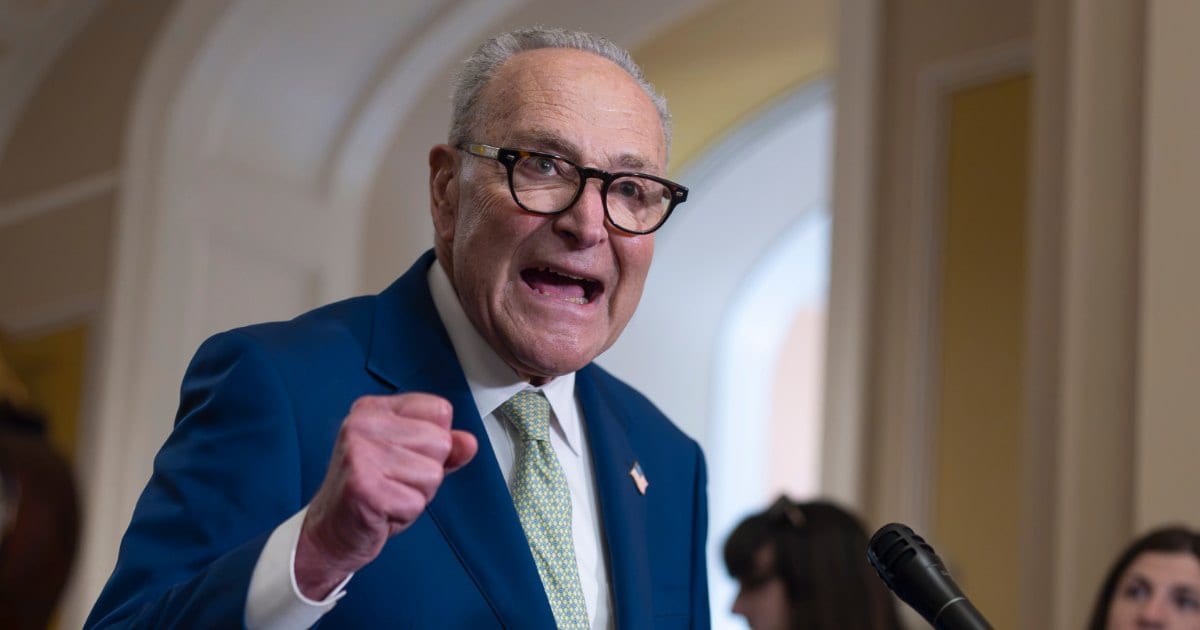
House Democrats' bid to strip Trump's Iran war powers falls by a single vote - 213 to 214
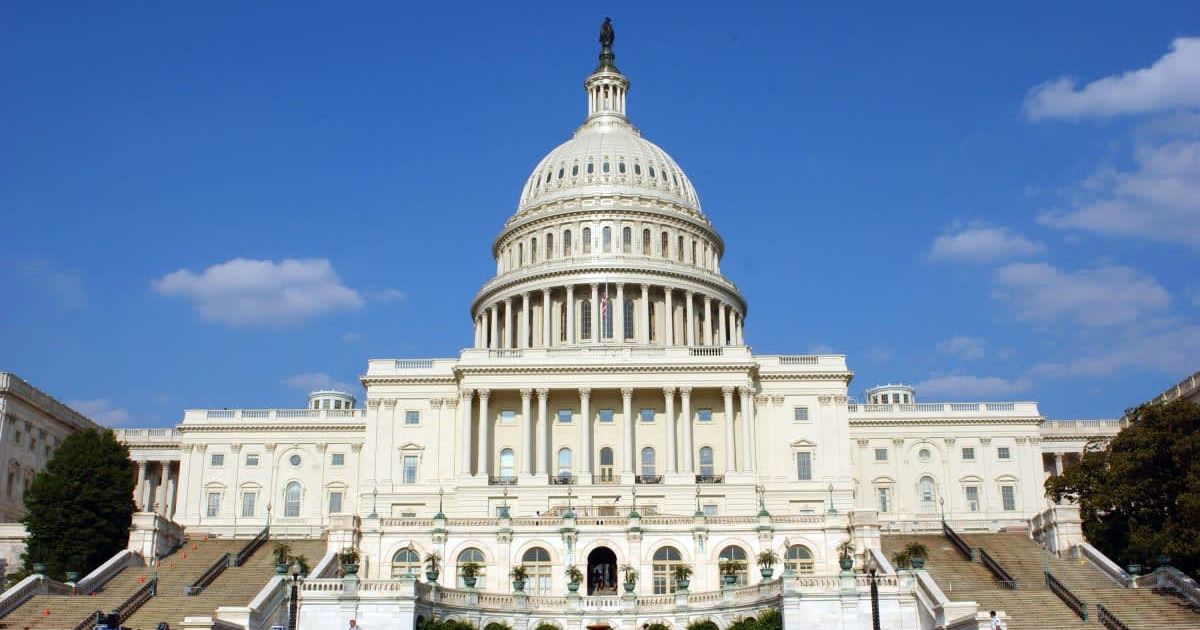
WASHINGTON, DC: A Democratic effort to limit President Donald Trump’s authority to conduct military operations against Iran narrowly failed in the House of Representatives on Thursday, April 16.
The War Powers Resolution, introduced amid ongoing conflict and uncertain diplomatic prospects, was defeated by a single vote.
The outcome underscored continued divisions in Congress over US involvement in the war. It also marked the latest attempt by lawmakers to assert congressional authority over military engagement.
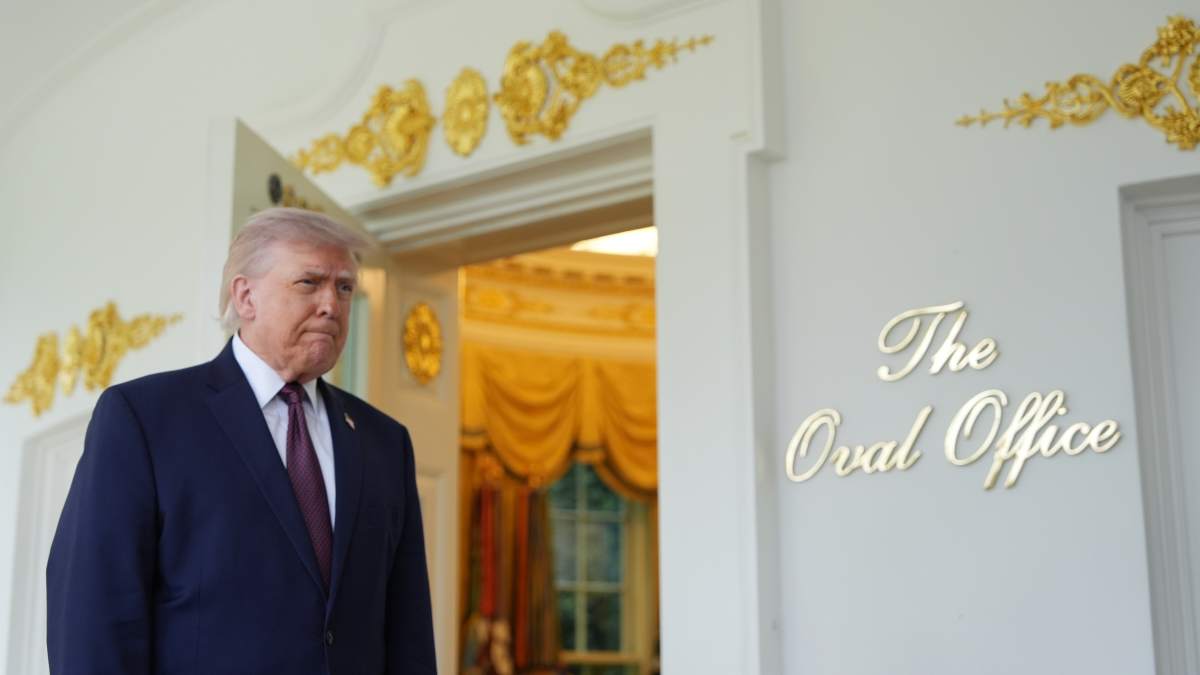
House vote highlights divisions over Trump's war authority on Iran
The resolution, introduced by Rep Gregory Meeks of New York, failed in a 213-214 vote, with one member voting present. The measure sought to direct the president to remove US armed forces from hostilities with Iran unless explicitly authorized by Congress.
Only one Republican, Rep Thomas Massie of Kentucky, joined most Democrats in supporting the resolution, while Rep Warren Davidson of Ohio voted present.

Meanwhile, Democratic Rep Jared Golden of Maine broke with his party to oppose the measure. The narrow margin reflects the ongoing divide among lawmakers regarding the scope of presidential war powers.
The vote marks the second attempt by House Democrats to pass the resolution.
A previous effort to bring the measure forward during a procedural session last week was blocked before it could be considered. A similar Democratic-led initiative in the Senate also failed earlier this week, with limited bipartisan support.
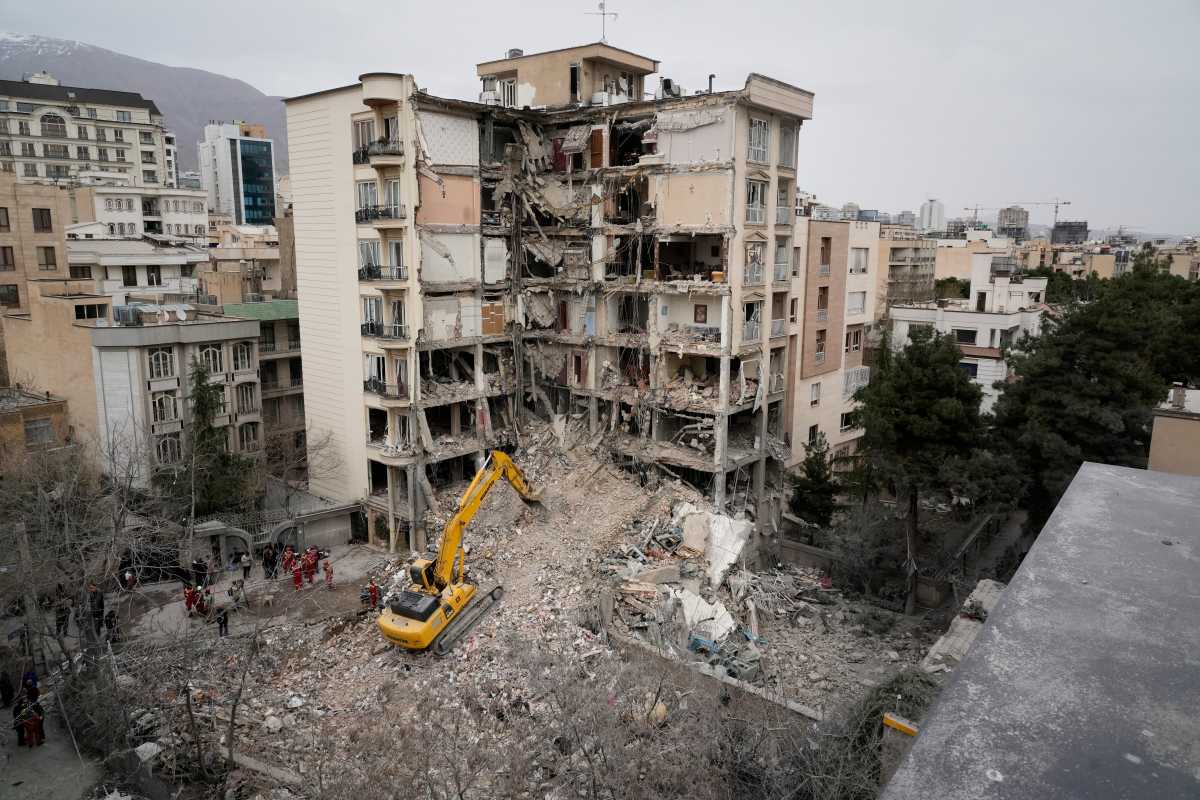
Democrats have emphasized urgency in reasserting congressional oversight, particularly after recent statements by Trump regarding Iran.
The president has repeatedly said the conflict would end “soon,” even as military operations continue into a third month.
Three Democrats who had opposed a similar resolution earlier this year, Reps Henry Cuellar, Greg Landsman and Juan Vargas, supported the latest effort. Explaining his shift, Landsman said, “The cost of inaction was far too high to tolerate. But now it's time to be done.”
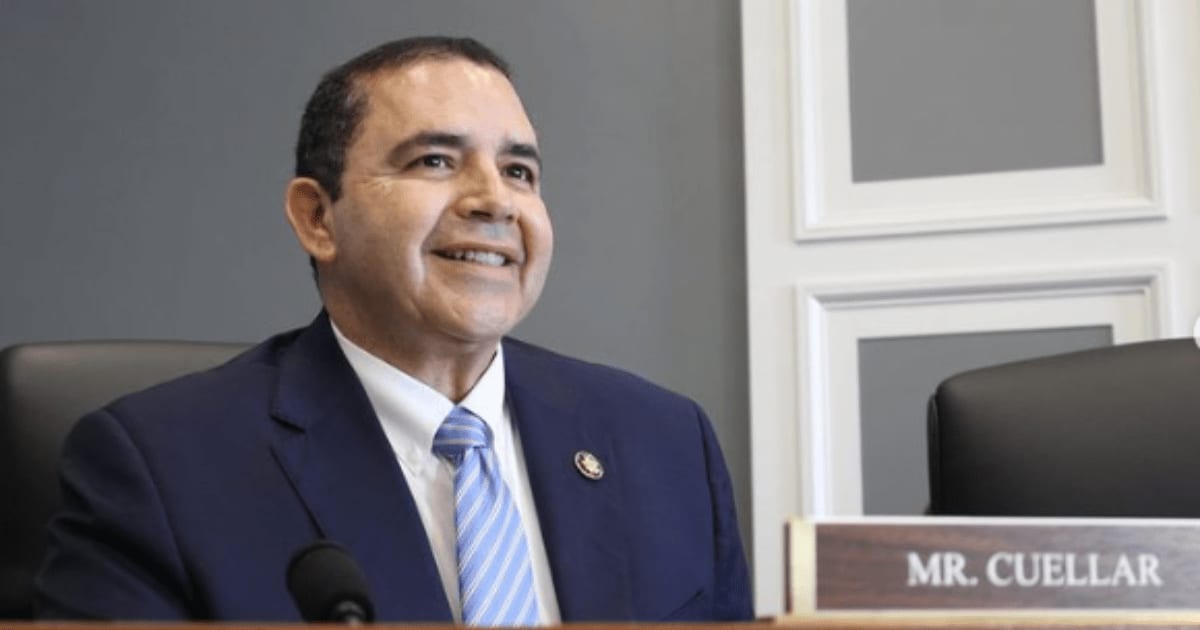
Cuellar described his decision as a “reaffirmation of Congress' constitutional role,” citing concerns about the lack of a clear exit strategy from the administration.
Ongoing conflict and stalled diplomacy fuel renewed congressional push
The failed vote comes amid heightened tensions and stalled diplomatic efforts between the United States and Iran.
Negotiations aimed at ending the conflict recently collapsed in Pakistan, despite a fragile two-week ceasefire. US officials have indicated that military forces in the Middle East remain prepared to resume combat operations if talks do not progress.

Lawmakers have also raised concerns following Trump’s recent warning that he could eradicate a “whole civilization” if Iran did not agree to reopen the Strait of Hormuz, a key global oil transit route.
While the remarks prompted unease among some Republicans, they did not significantly alter voting patterns on the resolution.
The broader debate centers on the War Powers Resolution of 1973, which limits unauthorized military engagement to 60 days without congressional approval.

That statutory deadline is approaching on May 1, raising the possibility of further legislative action if the conflict continues. However, the law has historically faced challenges, with presidents from both parties questioning its constitutionality.