House passes 3 year extension of 'Affordable Care Act' tax credits with bipartisan support
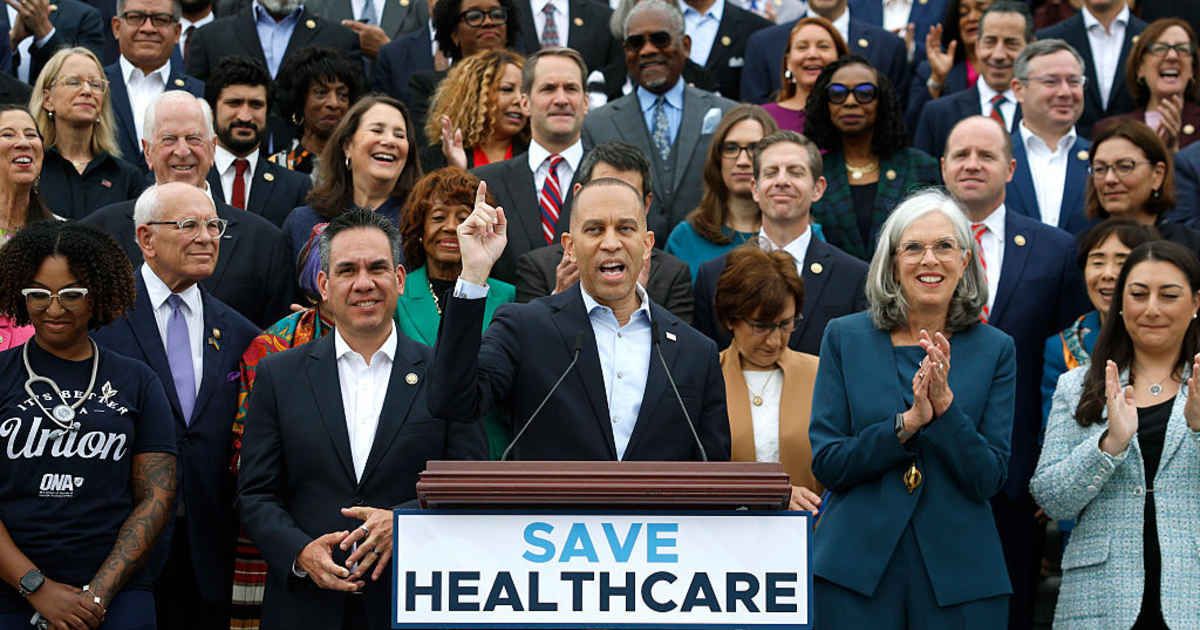
WASHINGTON, DC: The House of Representatives approved a three-year extension of Affordable Care Act (ACA) health care tax credits on Thursday, January 8, reviving subsidies that expired at the end of last year.
The measure passed with bipartisan support after several Republicans joined Democrats to advance the legislation. While supporters hailed the vote as progress on health care affordability, the bill faces significant hurdles in the Senate.
In a 230–196 vote, 17 Republicans joined all Democrats to pass the extension. The tax credits will subsidize insurance premiums for millions of Americans who purchase coverage through state-run health exchanges.
Bipartisan vote follows intra-party divisions
The vote followed weeks of internal disagreement among House Republicans, after a small group broke with party leadership to force consideration of the bill.
In December 2025, four Republicans joined Democrats in signing a discharge petition that brought the legislation to the floor over leadership objections.
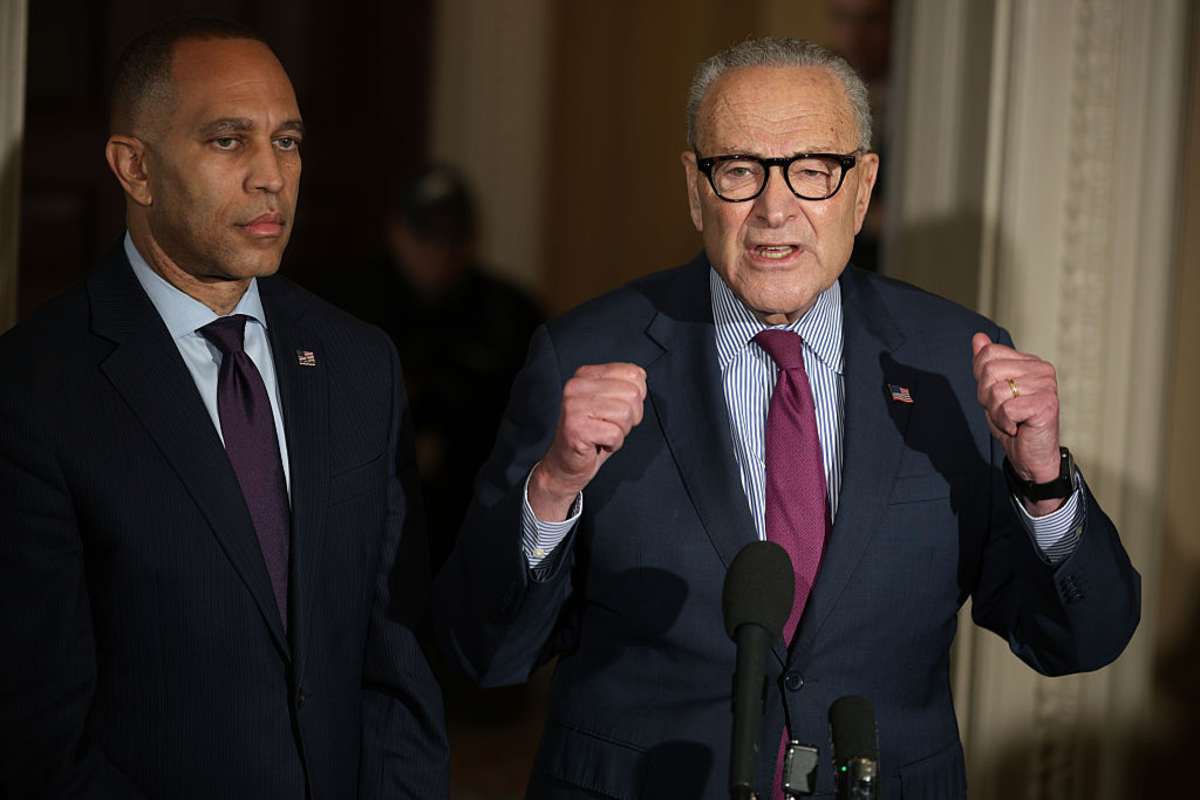
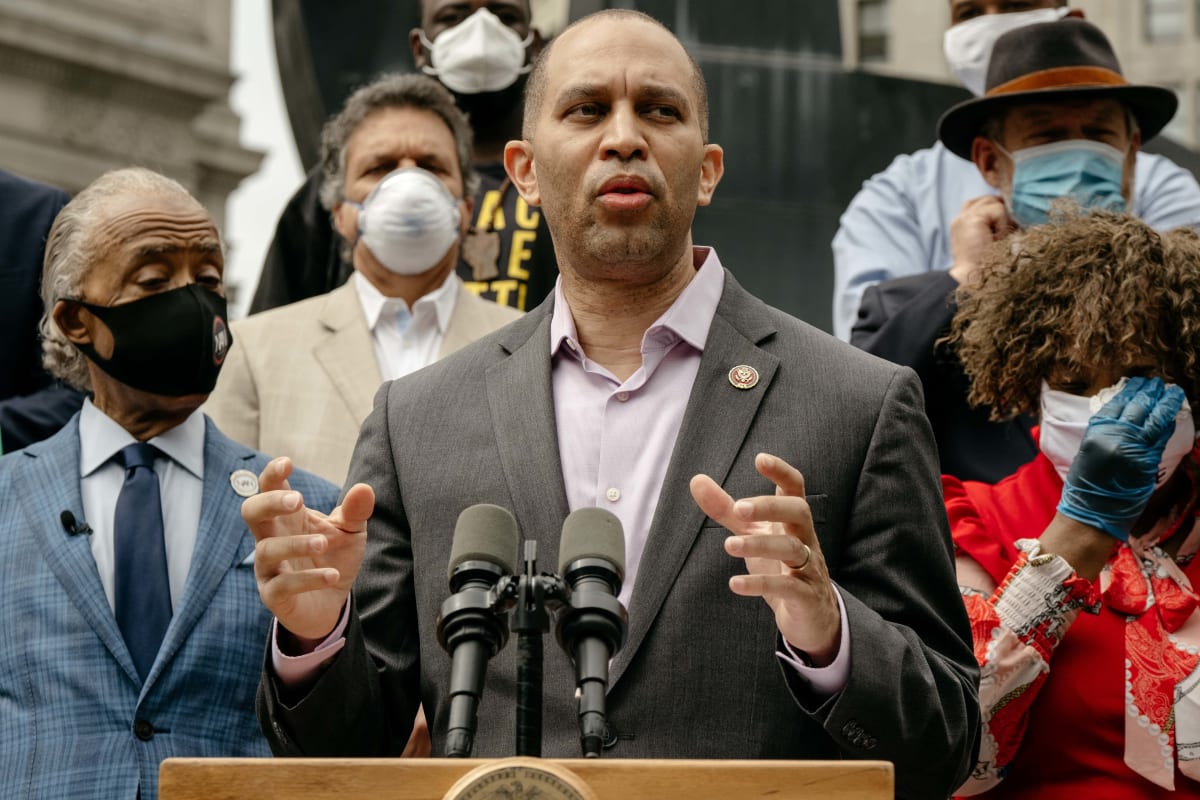
House Minority Leader Hakeem Jeffries (D-NY) led the effort to collect signatures in the final weeks of the year.
Moderate Republicans had generally opposed a straight extension of the credits without accompanying reforms.
However, some argued that allowing the subsidies to lapse would have greater consequences.
Rep Mike Lawler (R-NY), one of the Republicans who signed the discharge petition, said that efforts to negotiate a compromise bill following the shutdown were unsuccessful.
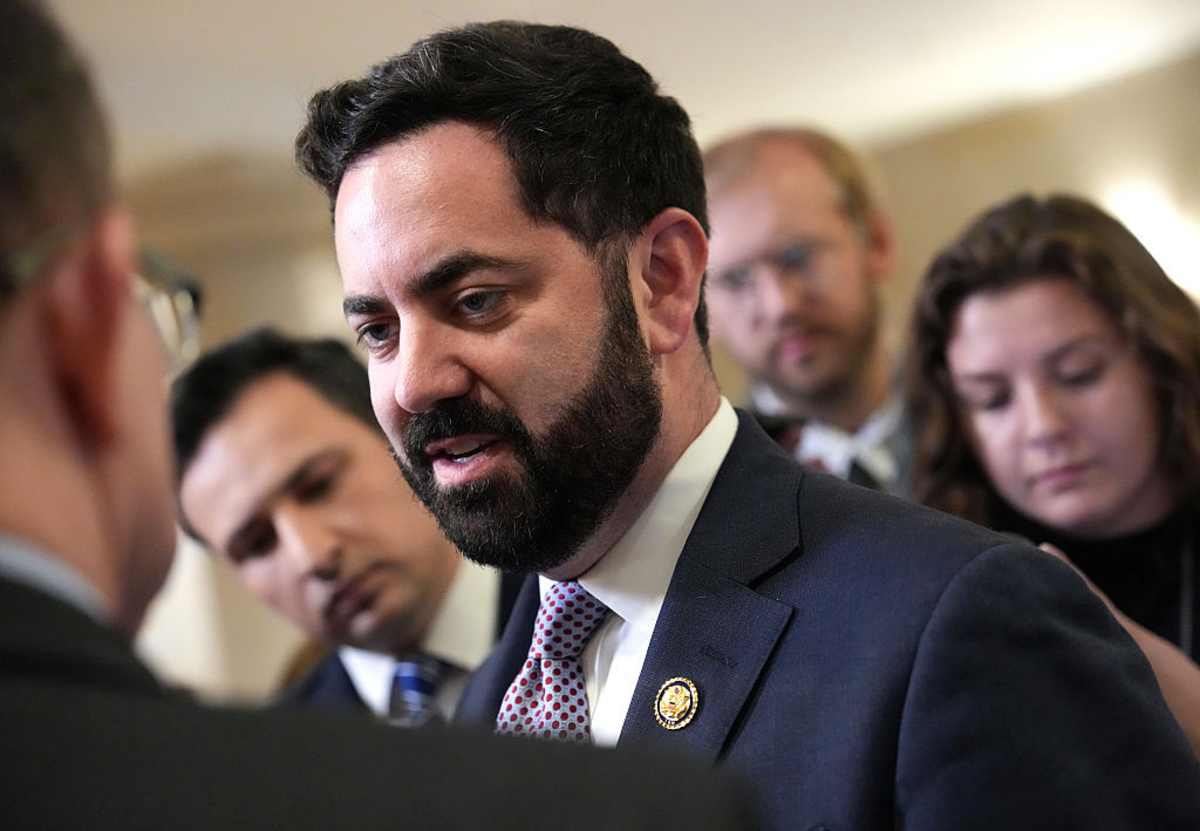
“We endeavored in a bipartisan negotiation after the shutdown to come up with a compromise bill that would extend the subsidies, but put in place necessary reforms,” Lawler said.
“Unfortunately, we couldn't get a vote on that before Christmas, and so the only alternative was to sign the three-year discharge,” he added.

Lawler and other moderate Republicans have said that they viewed the House-passed bill as a legislative vehicle that could be amended in the Senate.
“I'm hopeful that when we pass the discharge through the House, the Senate will be able to use that vehicle and garner enough support to get a bipartisan compromise across the finish line,” he said.
Senate negotiations continue amid policy disagreements
Attention now shifts to the Senate, where bipartisan talks on health care costs have been ongoing.
A Democrat-led proposal to extend the enhanced tax credits for three years failed in the upper chamber last month, as did a Republican alternative that would have directed funds to consumers through health savings accounts (HSAs).
Despite those setbacks, several senators have indicated openness to compromise.
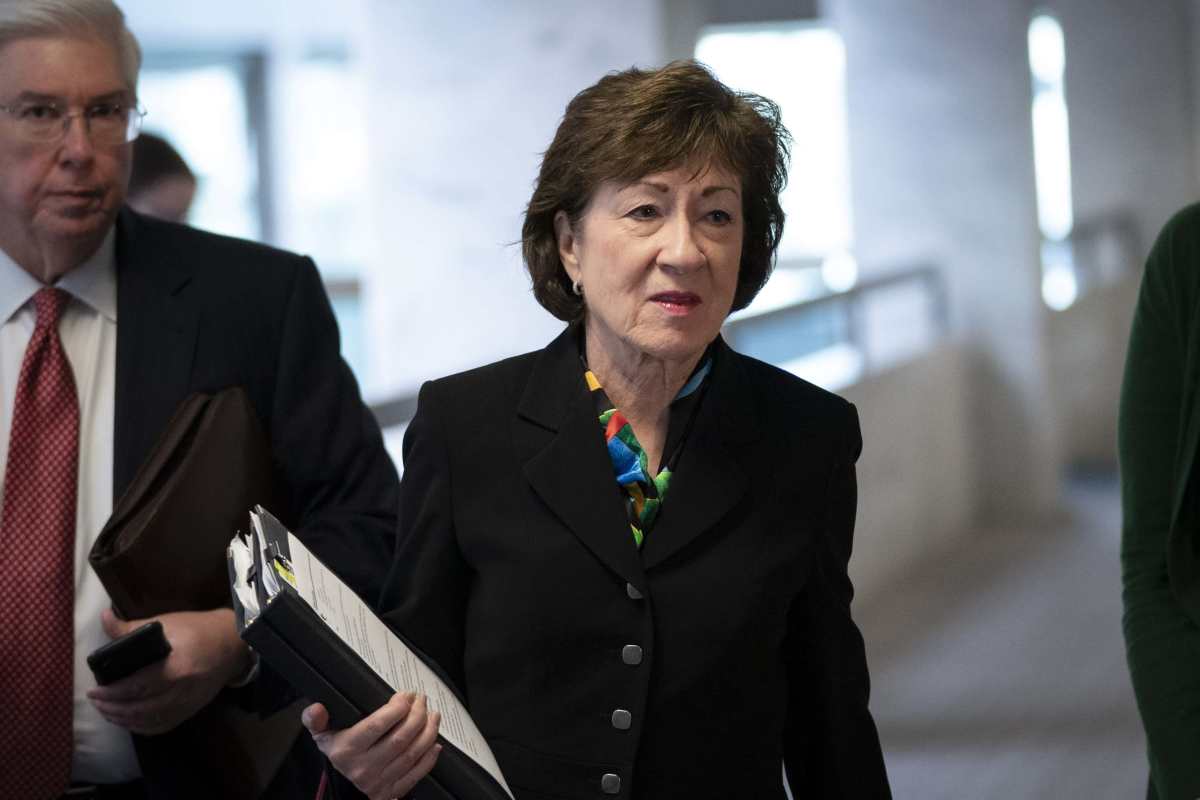
GOP Senator Susan Collins (R-ME) said discussions are ongoing.
“We're continuing to work hard,” she said, noting that the emerging framework resembles a proposal she introduced with Senator Bernie Moreno of Ohio.
Moreno later outlined elements of a potential deal, including a two-year extension of the tax credits, changes to income eligibility, a minimum premium requirement, penalties for insurance fraud, and expanded use of HSAs in the second year.
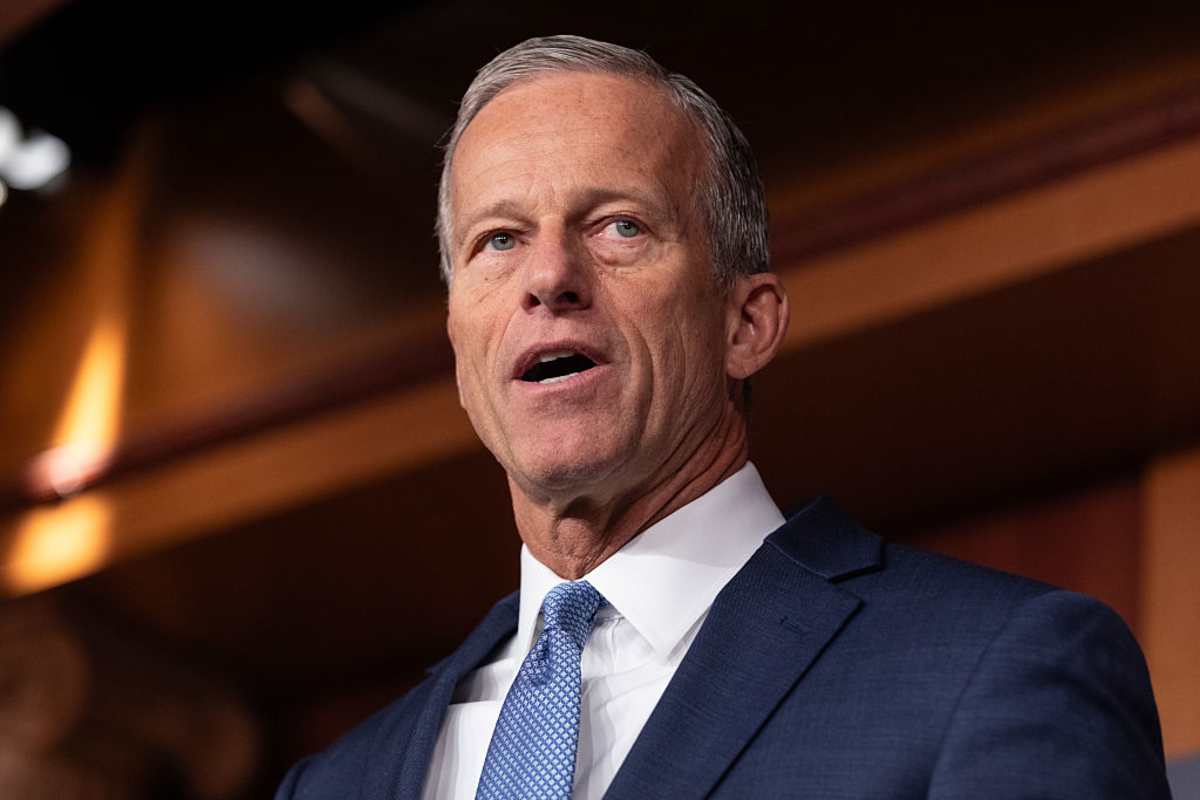
Senate Majority Leader John Thune said talks have been productive but "some thorny issues" remain unresolved, citing reforms, HSAs, and the Hyde amendment, which restricts federal funding for abortions.

Signaling openness to reviewing any bipartisan Senate proposal, Jeffries said lawmakers are “focused on a straightforward extension of the Affordable Care Act tax credits at the moment.”
He added, “We've always said that we will consider in good faith anything that emerges from the Senate in a bipartisan way.”