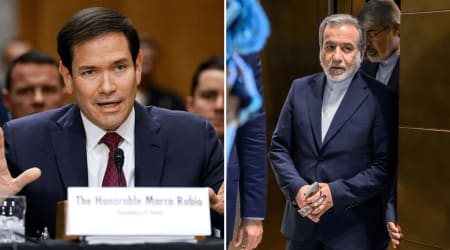
Iran denies Diego Garcia missile claim, calls report ‘Israeli disinformation’
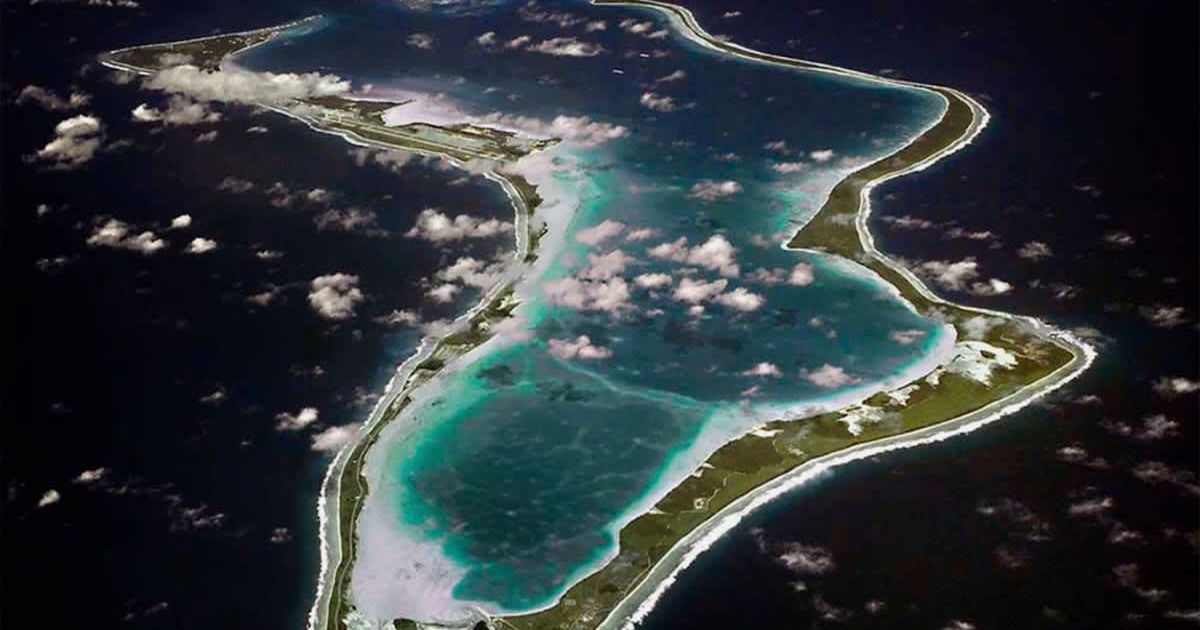
TEHRAN, IRAN: Iran has rejected claims, on Monday, March 23, that it attempted a missile strike on the joint US-UK military base at Diego Garcia, calling the allegations “disinformation” attributed to Israel.
The denial comes amid escalating rhetoric and military tensions in the region. Iranian officials also issued warnings about potential retaliation against critical infrastructure across the Middle East.
The developments highlight growing concerns over the widening scope of the conflict.
Iran dismisses Diego Garcia strike claims as ‘disinformation’
Iran’s Foreign Ministry pushed back against reports suggesting Tehran had attempted to target the remote Indian Ocean base, which is located more than 2,000 miles from Iranian territory. Officials described the claims as part of a broader misinformation campaign.
Foreign Ministry spokesman Esmail Baqaei said in a social media post that “even the NATO Secretary General (who is infamously pressing Alliance members to appease the US and support their illegal war on Iran) declines to endorse Israel's most recent disinformation, speaks volumes: the world has grown thoroughly exhausted with these tired and discredited 'false flag' storylines.”
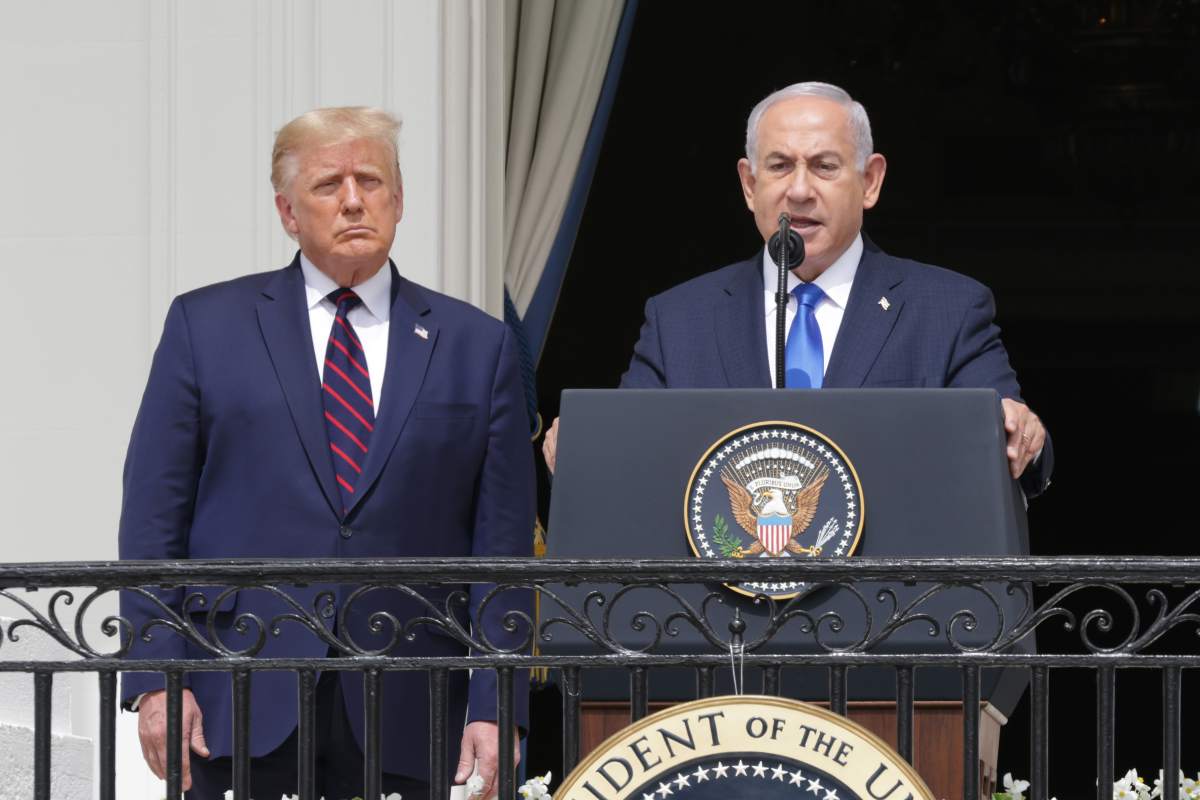
The comments came after Israeli officials raised concerns about the alleged strike attempt.
Israeli Prime Minister Benjamin Netanyahu echoed those concerns, stating, “They are putting everyone in their sights,” while calling on the international community to respond. However, Mark Rutte said the alliance could not confirm the reports.
Speaking in an interview, he noted that NATO was still assessing the situation, adding that it “cannot confirm that at the moment.”
Iran signals potential retaliation targeting regional power infrastructure
Separately, Iranian-linked media outlets published a list of energy and infrastructure sites across the Middle East, in what appeared to be a warning of potential retaliatory action.
The list included power plants and desalination facilities, as well as the Barakah Nuclear Power Plant in the United Arab Emirates.
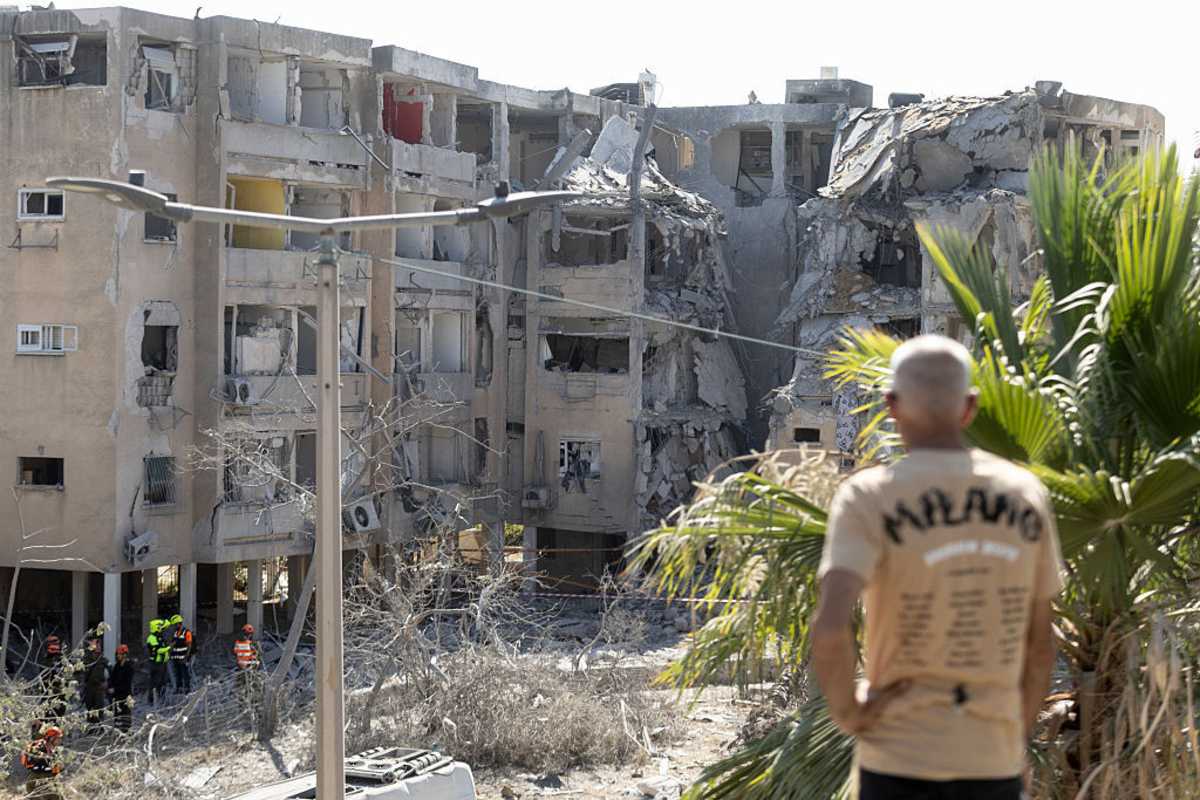
The reports, carried by outlets affiliated with Iran’s state and paramilitary institutions, suggested that such facilities could be targeted if Iran’s own infrastructure were attacked.
These sites are critical to regional stability, as many Gulf nations rely on integrated systems that provide both electricity and desalinated drinking water.
In a statement carried by Iranian state media, the Islamic Revolutionary Guard Corps warned of a broader response.
It said there had been a “decision that if the power plants are attacked, Iran will retaliate by targeting the power plants of the occupying regime and the power plants of regional countries that supply electricity to US bases, as well as the economic, industrial and energy infrastructures in which Americans have shares.” The statement added, “Do not doubt that we will do this."