Trump claims US and Iran held ‘productive’ talks as Israel pounds ‘heart of Tehran’
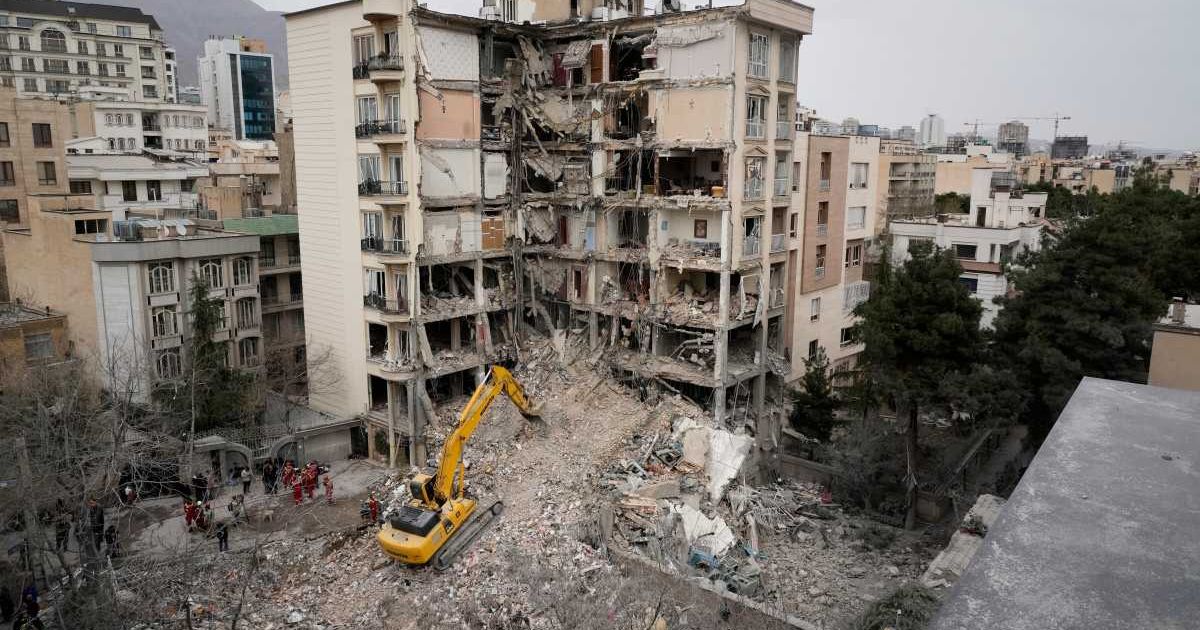
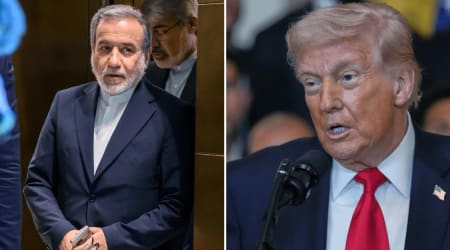
TEHRAN, IRAN: As Israel launched fresh strikes on what it described as regime-linked targets in the “heart of Tehran” on Monday, March 23, President Donald Trump said the United States and Iran had held “productive conversations” over the weekend aimed at ending the conflict.
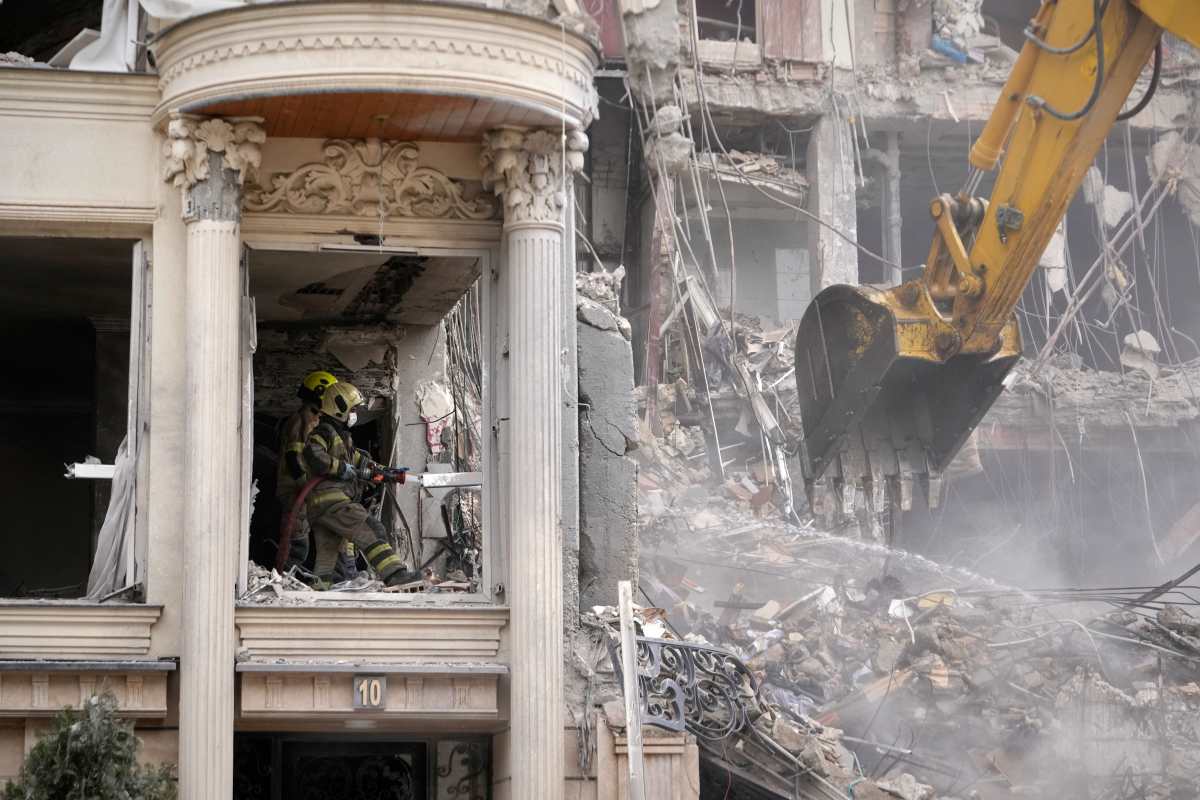
The latest Israeli bombardment hit several locations across the Iranian capital, according to Iran’s semi-official Fars news agency, marking another sharp escalation in the war. Iran’s Red Crescent Society said rescue workers were searching through the rubble of a residential building in Tehran for a child feared trapped beneath the debris.
Trump says US delaying attacks on energy infrastructure
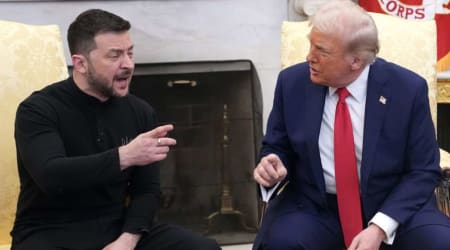
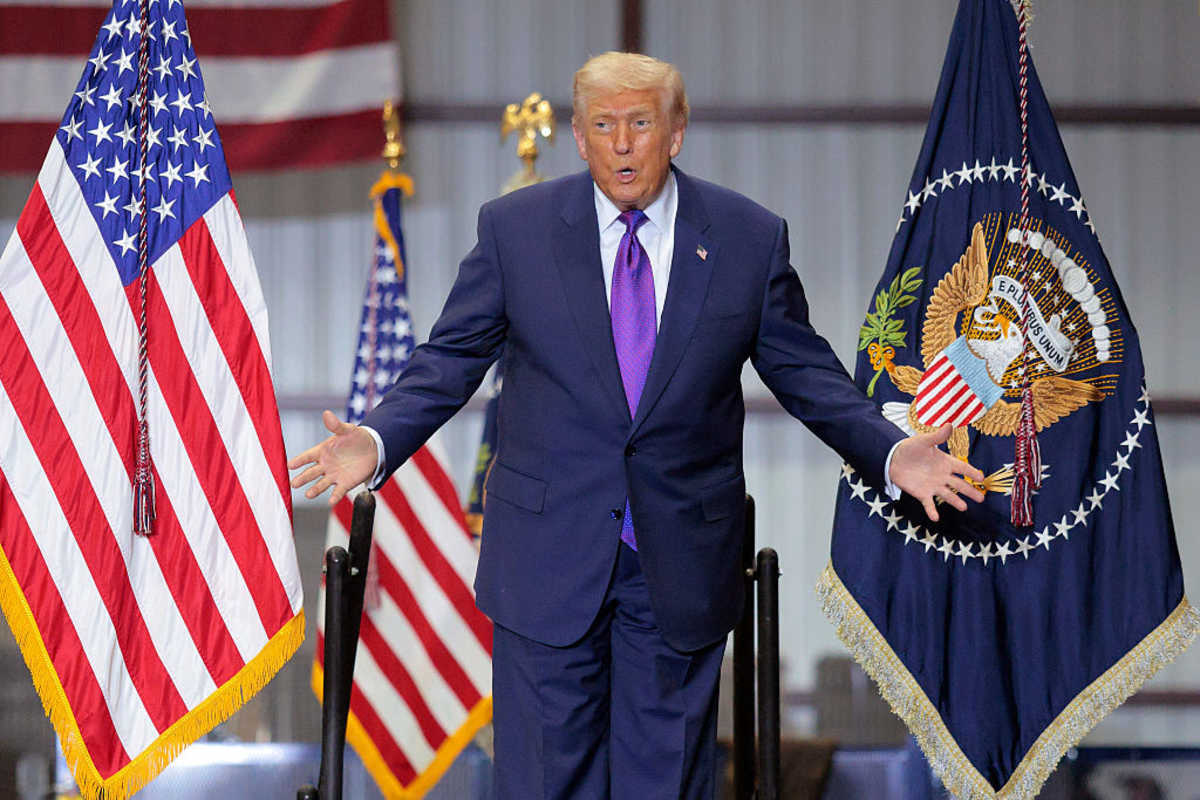
The strikes came just moments after Trump announced that Washington had engaged in what he called detailed and constructive discussions with Tehran over the last two days. In a post on Truth Social written in all capital letters, Trump said the talks had been positive and could lead to a “complete and total resolution” of hostilities in the Middle East.
Trump said that, based on the “tone and tenor” of those discussions, he had instructed the US military to postpone for five days any strikes on Iranian power plants and energy infrastructure. He said the delay would remain in place while talks continued and would depend on the outcome of the ongoing contacts.
The US president had earlier threatened to target Iranian power facilities by Monday, March 23, evening if Tehran did not move to reopen the Strait of Hormuz, a critical global oil shipping route.
Iran rejects Trump’s claim of talks with Washington
Iran, however, swiftly rejected Trump’s account, denying there had been any dialogue with Washington. Several Iranian state-affiliated media outlets, citing the foreign ministry, said Trump’s remarks were being viewed in Tehran as an attempt to ease pressure on energy markets and buy time for possible military action.
According to Mehr News, Iran’s foreign ministry said there were “initiatives” underway by regional countries to help reduce tensions, but insisted Tehran had made its position clear.
“We are not the party that started this war,” the foreign ministry said, according to the report, adding that requests for de-escalation should be directed toward Washington.
The denial underlined the deep gap between the public positions of the two sides, even as Trump portrayed diplomacy as gaining ground.
Contradiction with earlier US position
Trump’s comments also appeared to mark a shift from his stance just days earlier. As recently as Friday, March 20, he had signaled little interest in a ceasefire with Iran. “We could have dialogue, but I don’t want to do a ceasefire,” Trump said Friday afternoon.
That earlier remark contrasted with his latest suggestion that backchannel contacts or indirect discussions may now be underway, even as military tensions remain high and Israeli strikes continue to hit central Tehran.