Iran stares down world leaders at UN as it refuses to heed Trump warning: 'We will not bow'
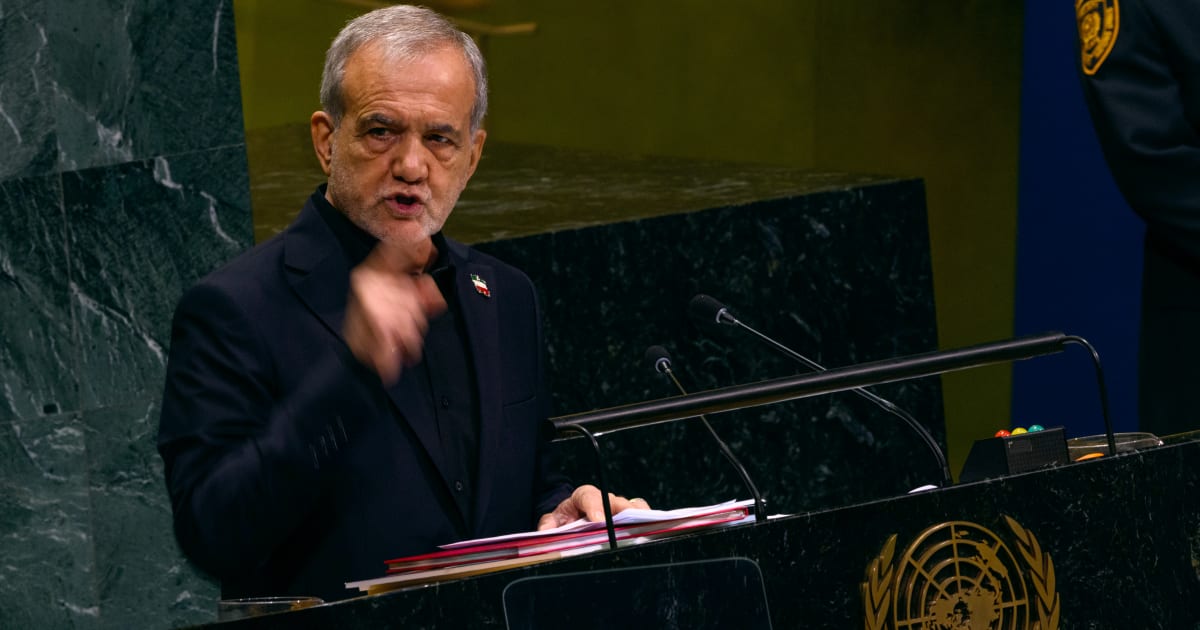
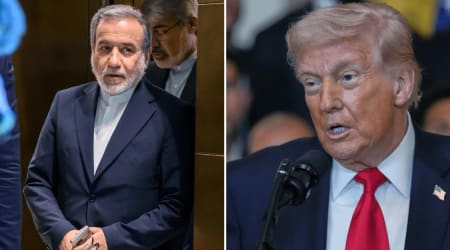
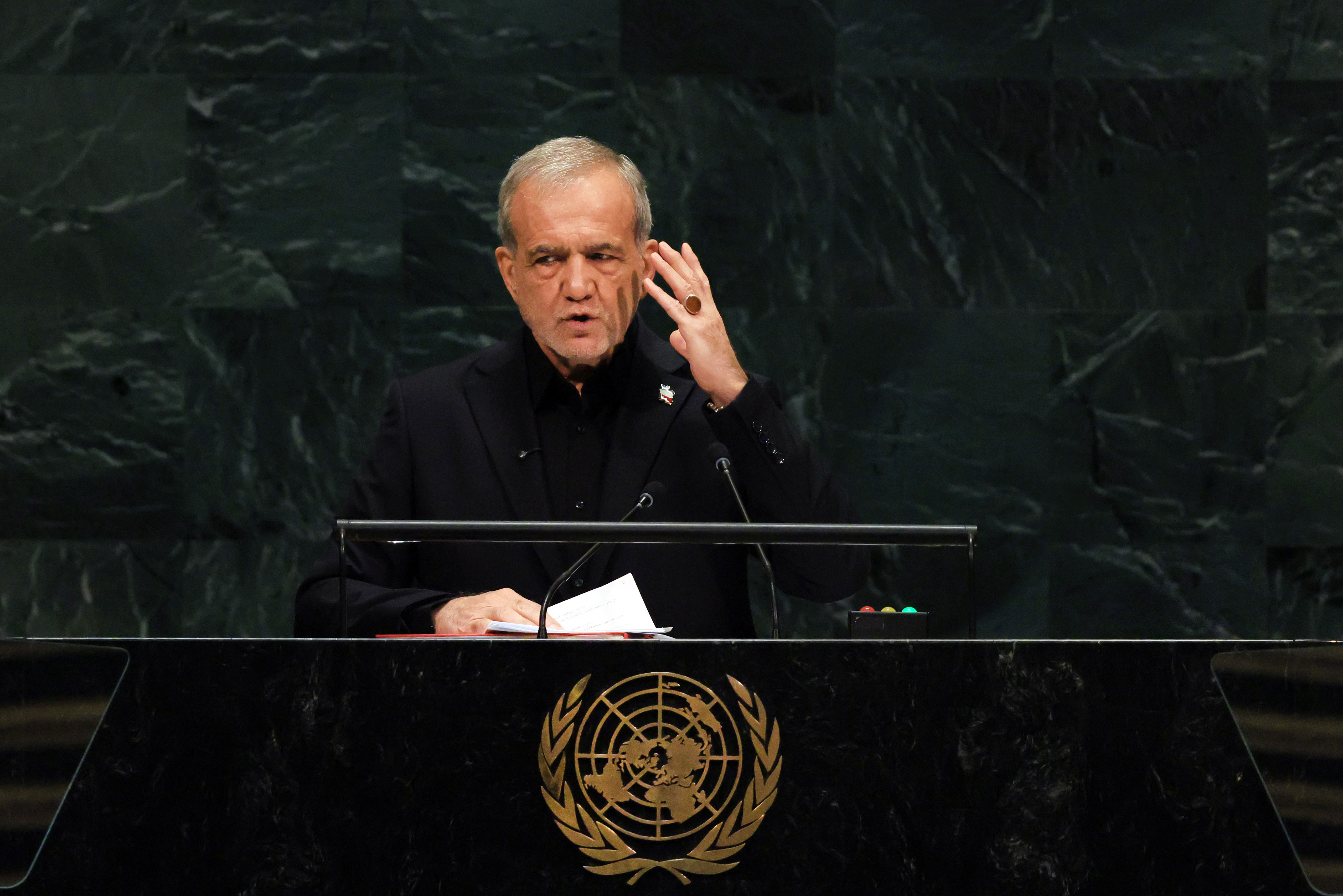
NEW YORK CITY, NEW YORK: Iranian President Masoud Pezeshkian walked into the UN General Assembly on Wednesday, September 23, with President Donald Trump’s warning hanging over his speech.
Instead of signaling a retreat, he used the international stage to reject pressure from Washington and insist Iran would not surrender.
Pezeshkian said Tehran remained willing to negotiate, but not under threats, while defending Iran’s right to nuclear technology.
His remarks were followed by a dramatic walkout by the US delegation.
Iranian President Masoud Pezeshkian:
— Clash Report (@clashreport) September 23, 2026
We will not bow our head and give up the right that is inherently ours.
We say it clearly: no nuclear weapons, and no limitations to peaceful nuclear technology. pic.twitter.com/YsMSrKNuw0
Masoud Pezeshkian refuses to back down
POTUS, a day earlier, had warned that Iran could face “annihilation” if negotiations failed.
Pezeshkian answered by saying pressure would have the opposite effect and make Iranians more resistant.
He told the assembly that Iran would not surrender what he described as rights belonging to the country.
“We will not bow our head and give up the right that is inherently ours,” Pezeshkian said.
He then made Iran's position on nuclear technology explicit: “No nuclear weapons and no limitations to peaceful nuclear technology.”
Pezeshkian rejected the accusation that Tehran was seeking a nuclear arsenal while also refusing to accept restrictions on civilian nuclear development.
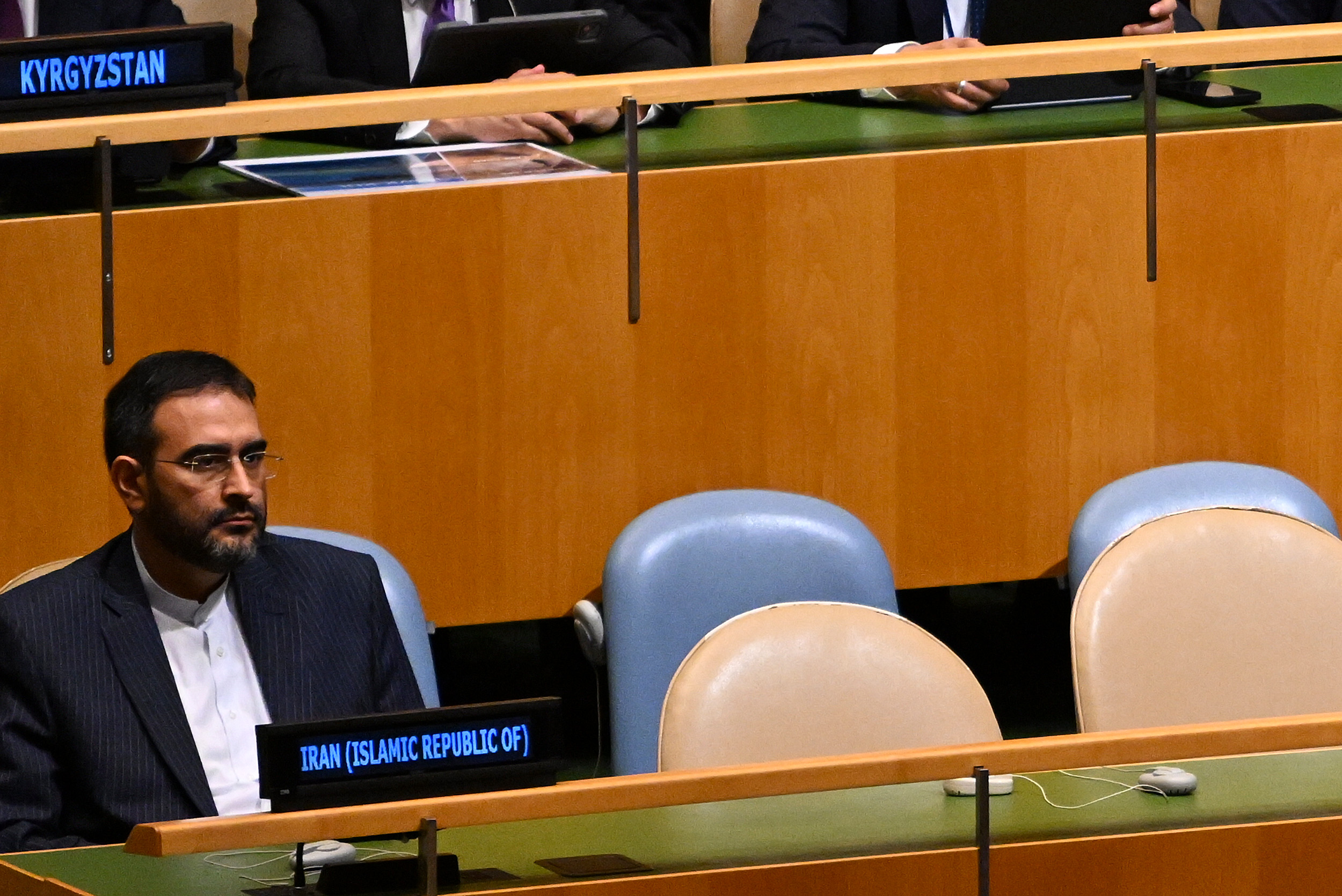
He also addressed the possibility of negotiations with Washington.
Iran, he said, was prepared for dialogue and diplomacy, but would not negotiate while facing what he described as threats and coercion.
“We are ready for dialogue and diplomacy and negotiations without accepting the language of force,” he said.
Pezeshkian rejected the idea that military pressure would force Tehran to abandon its position.
He also accused the US of applying one standard to Iran and another to its adversaries, while repeating that Iran remained prepared to discuss a diplomatic path.
Iranian President Masoud Pezeshkian:
— Clash Report (@clashreport) September 23, 2026
We will not bow our head and give up the right that is inherently ours.
We say it clearly: no nuclear weapons, and no limitations to peaceful nuclear technology. pic.twitter.com/YsMSrKNuw0
US delegation walks out
The confrontation became visible inside the General Assembly hall as Pezeshkian continued.
The US delegation left the chamber at the beginning of his speech.
The departure came as the Iranian president criticized Washington and rejected Trump's description of Iran as a t****r state.
Pezeshkian instead portrayed Iran as a country that had been subjected to attacks and accused the US and Israel of causing civilian deaths during the conflict.
🔥🚨 WOW! — Marco Rubio just TORCHED Iranian President Pezeshkian’s UN Speech.
— The Patriot Oasis™ (@ThePatriotOasis) September 23, 2026
“I don’t know what standing Iran has to lecture anyone on human rights or the international system when they habitually violate it.”
Iran’s president said Trump’s speech went against the “essence” of… pic.twitter.com/XdRhLMl6fb
He also addressed the war, saying Iran's opponents had already tested the country and discovered that Tehran could not simply be forced into submission.
The Iranian president said his country was not afraid of war and vowed to defend Iran.
“We will stand in defense of our beloved Iran until our last breath,” he said.
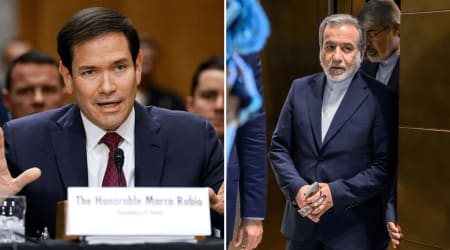
Marco Rubio fires back at Masoud Pezeshkian
Marco Rubio later pushed back against Masoud Pezeshkian’s UN address by turning the spotlight back on Tehran’s record.
Rather than engage with Pezeshkian’s argument that Iran was being pressured unfairly, the US secretary of state argued why Tehran shouldn't be lecturing other nations about international rules.
He accused Iran of habitually violating international norms and human rights.
Rubio cited the deaths during Iran’s crackdown on protests, its backing of armed groups operating across the region and its nuclear activities as reasons for his criticism.