Iranian diplomats rebuke Trump’s threat to bomb country ‘back to the Stone Age’

TEHRAN, IRAN: Iranian officials and diplomats responded on Friday, April 3, to remarks by President Donald Trump, who warned that the United States could bomb the country “back to the Stone Age” if a deal to end the conflict is not reached.
The comments come as the war between the US and Iran continues into its second month.
Iranian representatives pushed back by highlighting the country’s long history and cultural legacy.
The exchange reflects rising tensions alongside continued military activity in the region.
Iranian officials respond with historical references
Several Iranian officials and diplomatic missions publicly criticized Trump’s remarks, often referencing Iran’s ancient civilization in their responses.
Former foreign minister Javad Zarif directed sharp criticism at what he described as Western attitudes, writing on social media, “Iran stood at the heart of the cradle of civilization while your ancestors in Europe (as the US wasn’t even on the map) were still in the Stone Age, painting faces and swinging clubs.”
He added, “We taught order, law and statecraft. Pity none of it reached some arrogant, ignorant descendants.”
Iran stood at the heart of the cradle of civilization while your ancestors in Europe (as the U.S. wasn’t even on the map) were still in the Stone Age—painting faces & swinging clubs. We taught order, law and statecraft. Pity none of it reached some arrogant, ignorant descendants. pic.twitter.com/zsldaU71zQ
— Javad Zarif (@JZarif) April 2, 2026
Similarly, Iran’s embassy in South Africa invoked the country’s historical legacy, stating, “When you were still in caves searching for sure, we were inscribing human rights on the Cyrus Cylinder,” referencing the ancient artifact associated with Persian ruler Cyrus the Great.
Stone Age?
— Iran Embassy SA (@IraninSA) April 2, 2026
At a time when you were still in caves searching for fire, we were inscribing human rights on the Cyrus Cylinder.
We endured the storm of Alexander and the Mongol invasions and remained; because Iran is not just a country, it is a civilization. https://t.co/7yGdWKMV5i
Iran’s mission to the United Nations also emphasized the longevity of its civilization, noting that it “spans more than 7,000 years, whereas the US is scarcely 250 years old.”
These responses followed Trump’s recent remarks, in which he warned that Iran could face severe military action if it did not halt retaliatory strikes or agree to terms to end the conflict.
Escalating rhetoric amid ongoing conflict
Trump’s comments came during a prime-time address on Wednesday, April 1, in which he said the United States was nearing the end of its military campaign but warned of intensified strikes if negotiations fail.
He stated that the US could spend the next “two to three weeks” bombing Iran extensively, including targeting key infrastructure such as power plants and potentially oil facilities.

In the same address, Trump suggested that previous strikes had significantly damaged Iran’s nuclear capabilities.
“The nuclear sites that we obliterated with the B2 bombers have been hit so hard that it would take months to get near the nuclear dust and we have it under intense satellite surveillance and control,” he said.
He added, “If we see them make a move, even a move for it, we'll hit them with missiles very hard again.”
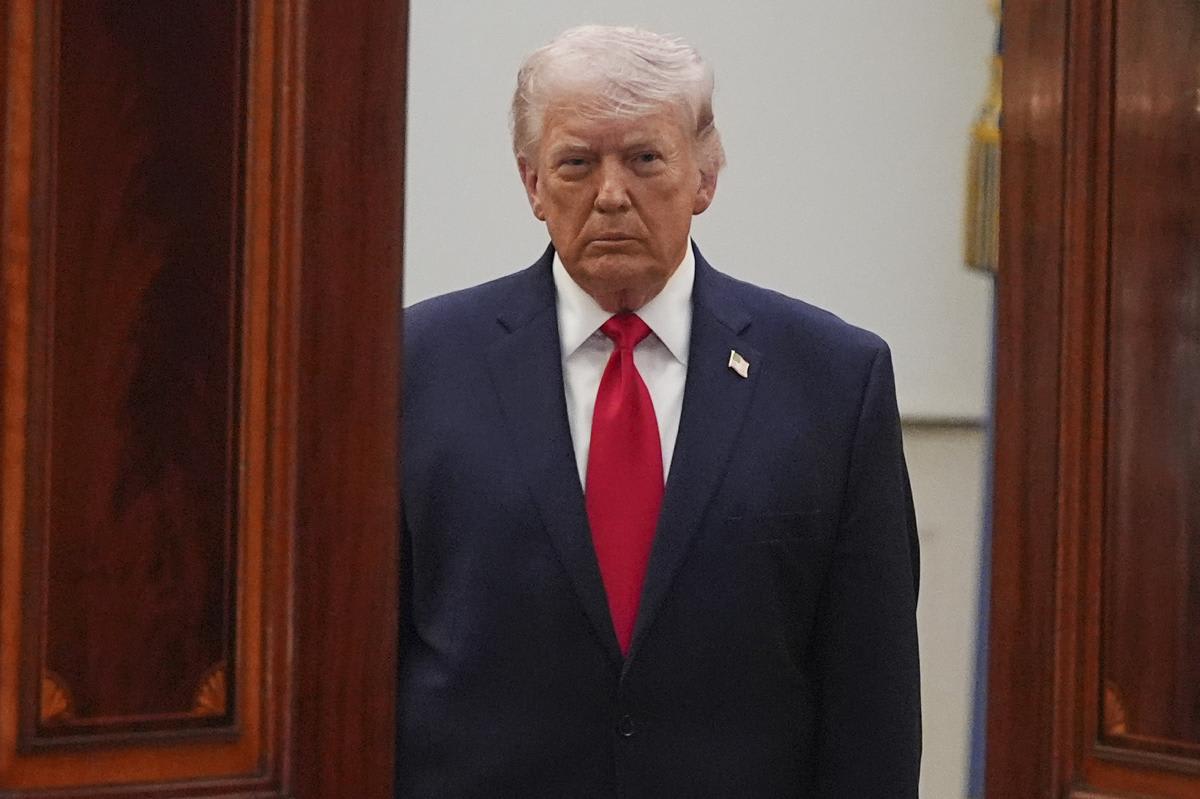
The remarks were seen as part of a broader strategy to increase pressure on Iran’s leadership, amid indications that US officials believe Tehran has not been sufficiently deterred by earlier military actions.
One individual familiar with discussions described internal conversations about assessing Iran’s response to continued pressure, saying there had been “a discussion about testing their pain tolerance.”