Jeffrey Epstein didn’t kill himself, forensic expert claims after reviewing autopsy photos
If you or someone you know is considering suicide, please call or text 988, or chat at 988lifeline.org 24/7.
NEW YORK CITY, NEW YORK: Jeffrey Epstein’s death inside his New York City prison cell continues to raise questions years later. A forensic expert now believes injuries documented in his autopsy point to homicide rather than the official explanation.
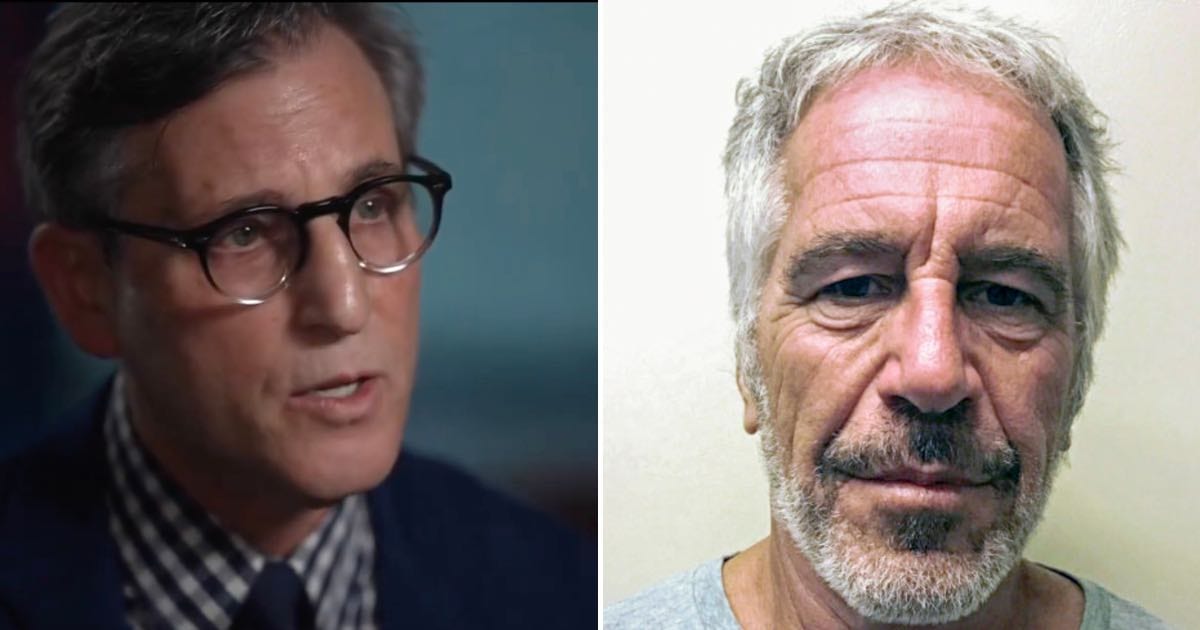
Epstein was found dead at the Metropolitan Correctional Center on August 10, 2019. His death was officially ruled a suicide, but Professor Michael Freeman has challenged that conclusion after spending a year examining the medical examiner’s file.
Speaking to BBC Newsnight, Freeman said he believes Epstein was strangled from behind before his body was suspended from his bed. He presented his findings at University College London on Monday, November 16.
“So you are saying that Epstein was killed by another person?” Michael Freeman, a prominent expert in forensic medicine, speaks to #Newsnight about his claims that Jeffrey Epstein’s death was a “result of a homicide”. Warning: Distressing details of death and injury and discussion of suicide
— BBC Newsnight (@BBCNewsnight) November 16, 2026
Michael Freeman questions Jeffrey Epstein's cause of death
Freeman, an expert in determining causes of death who has worked for the US attorney general on high-profile cases, said several injuries documented in Epstein’s autopsy did not appear consistent with a hanging.
He recalled his first reaction after seeing a photograph of Epstein’s body.
“Wait a minute, that doesn’t look like a hanging mark,” Freeman said.
He pointed to a deep haemorrhage on Epstein’s left shoulder and other injuries that he believes suggest an assault took place before his death.
The expert also claimed that fingernail marks could be seen above the ligature mark on Epstein’s neck. He said the injuries were consistent with someone attempting to remove a ligature during strangulation, particularly if the attack came from behind.
“The injuries and the way the body was found don’t match up,” Freeman said, describing homicide as the “only one remaining explanation” in his assessment.
He also questioned why the medical examiner's file did not contain a photograph showing Epstein's body before it was taken down from where it was suspended.
Michael Freeman spent a year reviewing Jeffrey Epstein's autopsy file
Freeman did not personally examine Epstein’s body. Instead, he spent around a year reviewing photographs and medical records from the autopsy file, which he received from the disgraced financier's brother, Mark Epstein.
Mark has repeatedly maintained that his brother was murdered. However, Freeman insisted that his conclusions were independent and that he was not paid by Mark for his analysis.
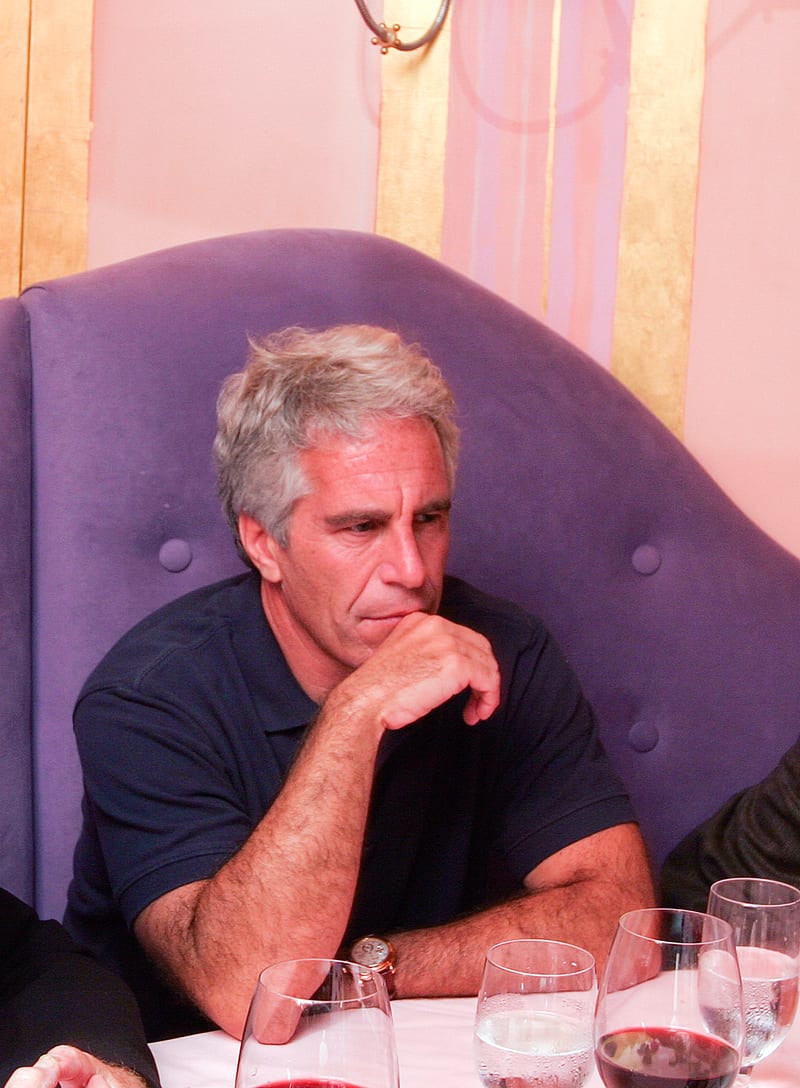
He also welcomed scrutiny of his findings, saying others should examine the evidence and point out where they believe his interpretation is wrong.
Other forensic experts have also questioned whether the mark on Epstein’s neck was typical of a hanging. However, some have maintained that it could still have resulted from the circumstances officially determined by authorities.
New York City Chief Medical Examiner Dr Barbara Sampson has previously stood by the original determination.
“I stand firmly behind our determination of the cause and manner of death for Mr Epstein,” she said.
Questions surrounding Jeffrey Epstein's final days
The circumstances surrounding Epstein’s final weeks have also drawn attention.
His former cellmate, Nicolas Tartaglione, a former police officer and convicted murderer, told The New York Times that Epstein had asked him how to make a noose before an incident on July 22, 2019.
Tartaglione also recalled waking up to find Epstein looking suspicious before discovering a homemade noose under his mattress. He claimed that prison guards laughed off his reports about the incidents.
Epstein later alleged that Tartaglione had tried to kill him, but an internal investigation cleared his cellmate.
Prison records also documented an incident on July 23, 2019, in which Epstein reportedly indicated that his cellmate had been harassing him and attempting to kill him.
Epstein was found dead less than a month later.
The release of a note attributed to him in May also brought renewed attention to his final days. In the note, he appeared to claim investigators had “found nothing” on him.