United Flight 2174: Former pilot breaks down cockpit response to passenger bomb threat
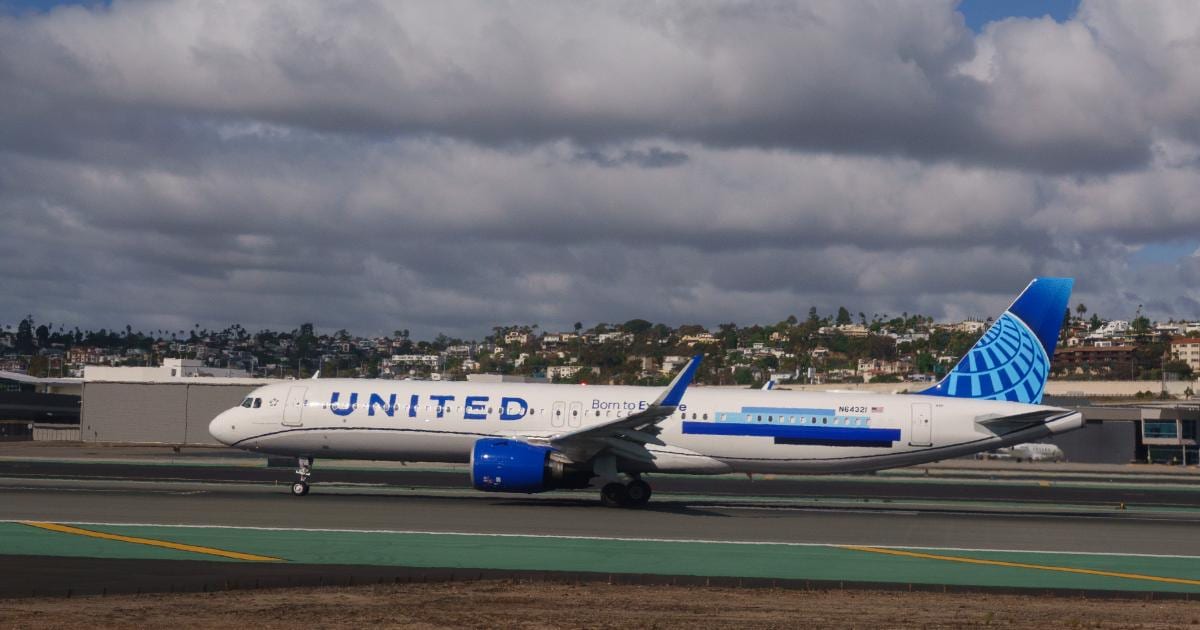
NEW ORLEANS, LOUISIANA: A passenger allegedly claiming to have a bomb and attempting to reach the cockpit aboard United Airlines Flight 2174 triggered a security scare that ended with the aircraft landing safely in New Orleans and the suspect being taken into custody.
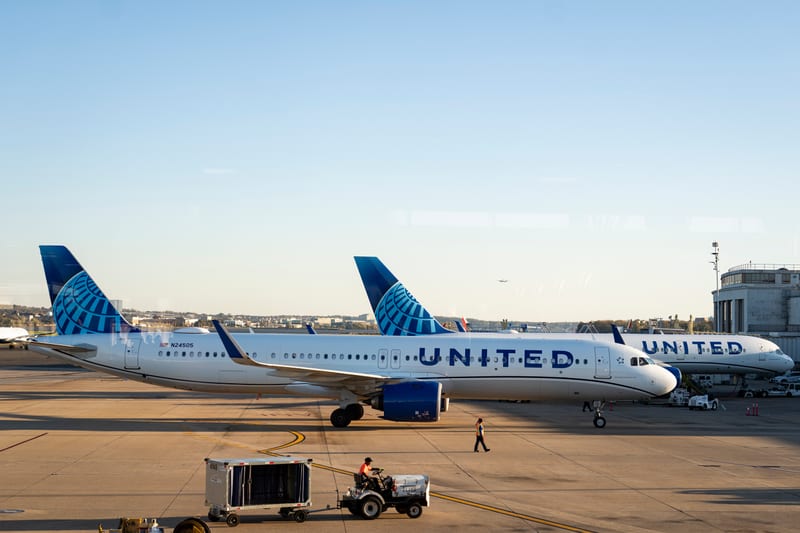
The Boeing 737 MAX 9 was travelling from Newark, New Jersey, to Louis Armstrong New Orleans International Airport on November 9, carrying 46 passengers and six crew members. The Jefferson Parish Sheriff's Office said a 34-year-old passenger began acting irrationally late in the flight and allegedly told crew members he had a bomb. The Department of Homeland Security separately alleged that he attempted to gain entry to the cockpit.
The suspect was identified as Rony Alexander Gomez-Alberto. He was arrested after landing and charged with communicating false information of planned arson and terrorizing.
Speaking exclusively to MEAWW News, Shawn Pruchnicki, an associate professor in the Department of Aviation at Ohio State University, former airline pilot and aviation expert, praised the crew's handling of the reported situation.
"This was done very well," Pruchnicki said.
He explained how pilots manage onboard threats through information relayed by cabin crew, coordination with air traffic control and decisions about whether an aircraft should continue to its destination or land elsewhere.

What happens inside the cockpit when a passenger makes a bomb threat?
Pilots may first learn about a serious onboard threat through information relayed by flight attendants, Pruchnicki explained.
"When we get information from a flight attendant at the back," he said, describing how the information reaches the flight deck and is communicated to air traffic control.
He explained that pilots inform ATC about the threat and assess the situation as it develops. The captain must consider whether the aircraft should continue to its planned destination or land earlier.
"We can manoeuvre as we feel necessary to bring the flight on the ground," he said.
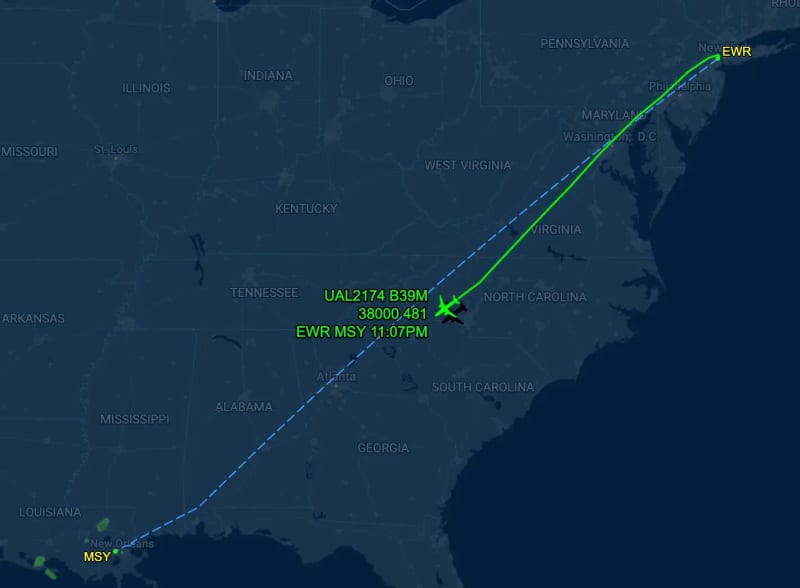
Pruchnicki's explanation highlights the importance of informing air traffic controllers so they can coordinate with the aircraft as the crew assesses its next steps.
Reports surrounding Flight 2174 described a hijacking alert after the passenger allegedly threatened to have a bomb and attempted to approach the cockpit. However, United Airlines did not independently confirm these details in its response to MEAWW News.
The airline said the flight landed safely following a "disruptive incident involving a passenger onboard" and confirmed that law enforcement met the aircraft upon arrival. It also verified the aircraft type, passenger count and crew numbers, while referring further questions to local law enforcement.
Why pilots won't leave the cockpit to confront a violent passenger
Pruchnicki said the approach to dealing with disruptive passengers changed significantly after the September 11 attacks, with pilots now remaining inside the secured flight deck rather than personally confronting passengers.
"We are really not. Because we never get involved with them once the cockpit door shuts. We don't deal with them. We are not going to open the door and deal with them," he said.
He contrasted this with the period before 9/11, when pilots might have left the flight deck to address a disruptive passenger.
"Before 9/11 we would have got out, but now we don't. We stay locked in there," he said.
Pilots may have to consider whether a threatening passenger is acting alone
Pruchnicki also raised the possibility that a serious onboard threat may involve more than one person.
"Sometimes with very credible potential terrorist threats, there can be more than one person. People don't think of that," he said.
He described a hypothetical situation in which one person could act as a distraction while another attempts to carry out a more serious act.
"One of them will be a distractor. Another will try to do whatever bad thing they want to do," he explained.
His observation highlights a broader consideration when assessing a potential security threat: whether the person drawing attention is acting alone or whether someone else could be involved.
However, Pruchnicki did not suggest that multiple people were involved in the United Flight 2174 incident. There is no established evidence that the passenger had an accomplice or that the incident involved a coordinated plan.
When a passenger threat can force pilots to change their destination
If a situation escalates, the captain may need to reconsider the aircraft's destination, Pruchnicki explained. A potential weapon or the risk of someone being harmed could influence the decision to bring the aircraft to the ground at another airport.
He illustrated the decision-making involved by recalling a separate incident from his flying career.
He described a woman who repeatedly refused to follow cabin crew instructions, including fastening her seat belt, when the aircraft was approximately 40 miles from its destination. After repeated warnings, he decided that law enforcement should meet the aircraft on arrival.
Pruchnicki recalled telling the flight attendant to warn the passenger that officers would be waiting for her after landing.
He then contacted air traffic control to request police officers at the gate and made an announcement informing passengers that officers would board after landing.
According to Pruchnicki, the woman continued to resist when officers arrived, and the incident eventually resulted in federal charges against her.
He said the experience demonstrated how pilots can manage a disruptive passenger through coordination with cabin crew and authorities on the ground.
Communication remains crucial during onboard threats
Pruchnicki described the communication during an onboard threat as involving three parties: flight attendants, pilots and air traffic control.
The cabin crew reports developments inside the aircraft, pilots assess the information and make decisions, and ATC is kept informed.
"Everybody knows what's going on," he said.
Released security audio captures the tense, minute-by-minute response as emergency personnel rushed a United Airlines plane on the tarmac after a passenger allegedly claimed he had a bomb in his backpack and tried to hijack the flight. The suspect, Rony Gomez-Alberto, allegedly breached the rear door of the aircraft on United Airlines Flight 2174, which was traveling from Newark to New Orleans Monday evening. Personnel on dispatch are heard coordinating to approach from the rear, requesting a transport cage, and warning that the suspect had changed into all black clothing before allegedly trying to reach the cockpit. Gomez-Alberto, an illegal immigrant who DHS confirmed was deported from the U.S. twice before re-entering through California, is now in jail with no bond on charges of terrorizing, communicating false information of planned arson, and fugitive from justice. No one was hurt. Full story here https://t.co/Z93lYGFfwm
— Fox News US (@FoxUSNews) November 11, 2026
He stressed that pilots need to know whether a situation is getting worse, particularly when cabin crew members could be at risk of being harmed.
In the case of Flight 2174, the aircraft landed safely, and law enforcement met it upon arrival. The full sequence of events inside the aircraft has not been publicly established.
Pruchnicki's assessment offers a glimpse into the decisions pilots may face during an onboard threat, highlighting the importance of communication and coordination when managing a potentially dangerous situation.