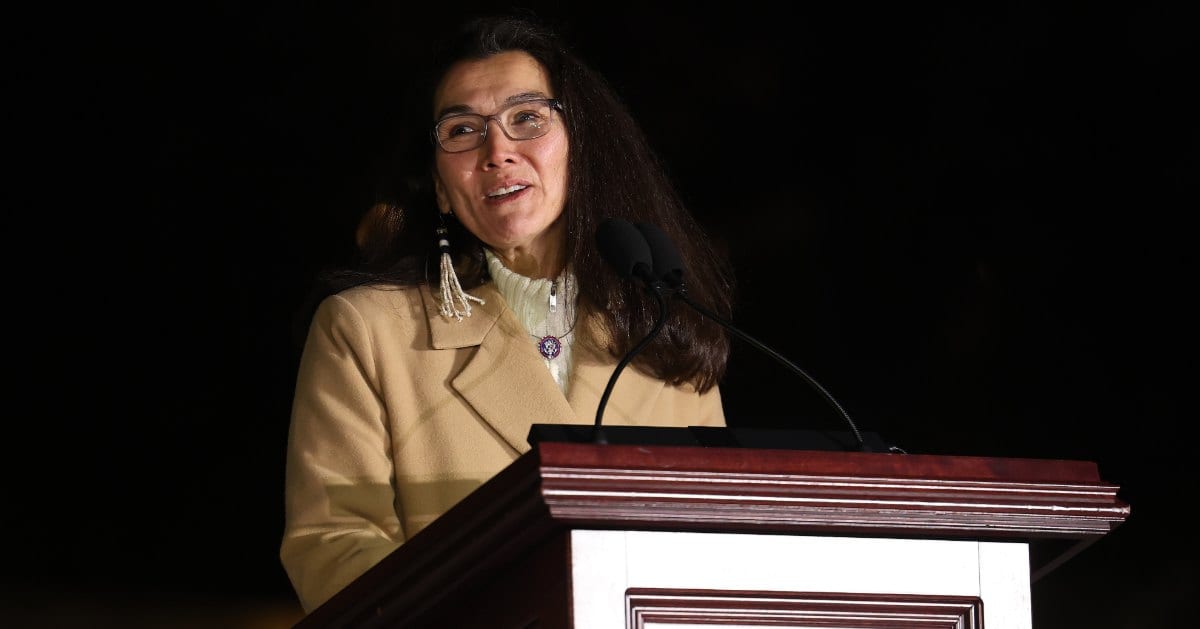
Jesse Jackson, iconic civil rights leader and two-time presidential candidate, dies at 84

CHICAGO, IL: The Reverend Jesse Jackson, civil rights leader and two-time Democratic presidential candidate, died at the age of 84, his family confirmed Tuesday, February 17. He passed away peacefully in Chicago surrounded by loved ones.
Jackson spent more than six decades at the center of American civil rights activism and electoral politics. In recent years, he faced serious health challenges, including a 2017 diagnosis of Parkinson’s disease and later progressive supranuclear palsy, a degenerative neurological disorder that limited his mobility.
Despite declining health, he remained publicly engaged on issues of racial justice and voting rights. His family asked that his legacy be honored through continued work toward equality and compassion.
From King’s circle to national leadership
Born Jesse Burns in Greenville, South Carolina, Jackson rose to prominence in the 1960s as part of the Southern Christian Leadership Conference (SCLC), working closely with Dr Martin Luther King Jr. An honors student and athlete in his youth, Jackson left theological studies to join civil rights protests, including campaigns in Selma, Alabama.
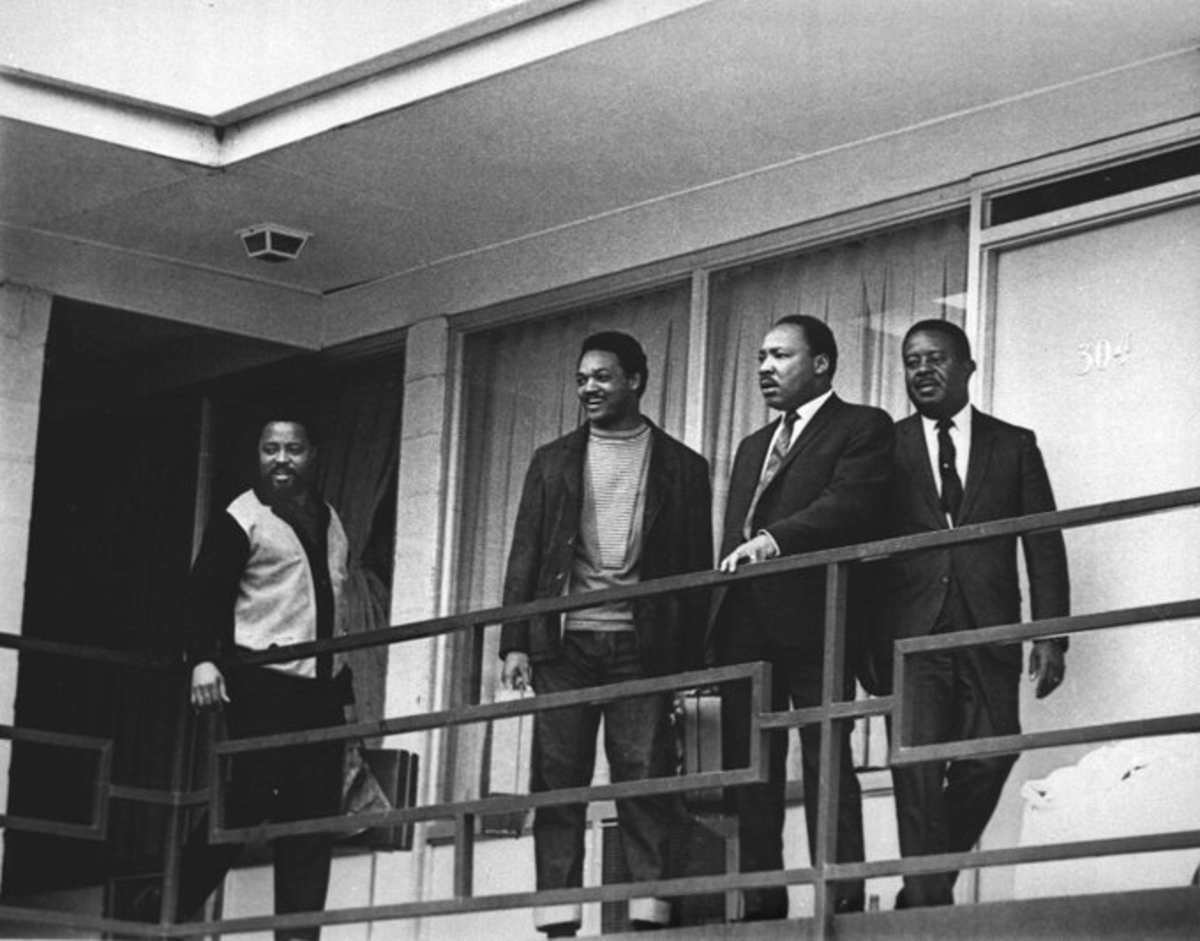
King appointed him to lead Operation Breadbasket in Chicago, an initiative aimed at expanding economic opportunities for Black communities through corporate accountability and job access.
Jackson was in Memphis in April 1968 when King was assassinated at the Lorraine Motel, a moment that marked a turning point in the movement.
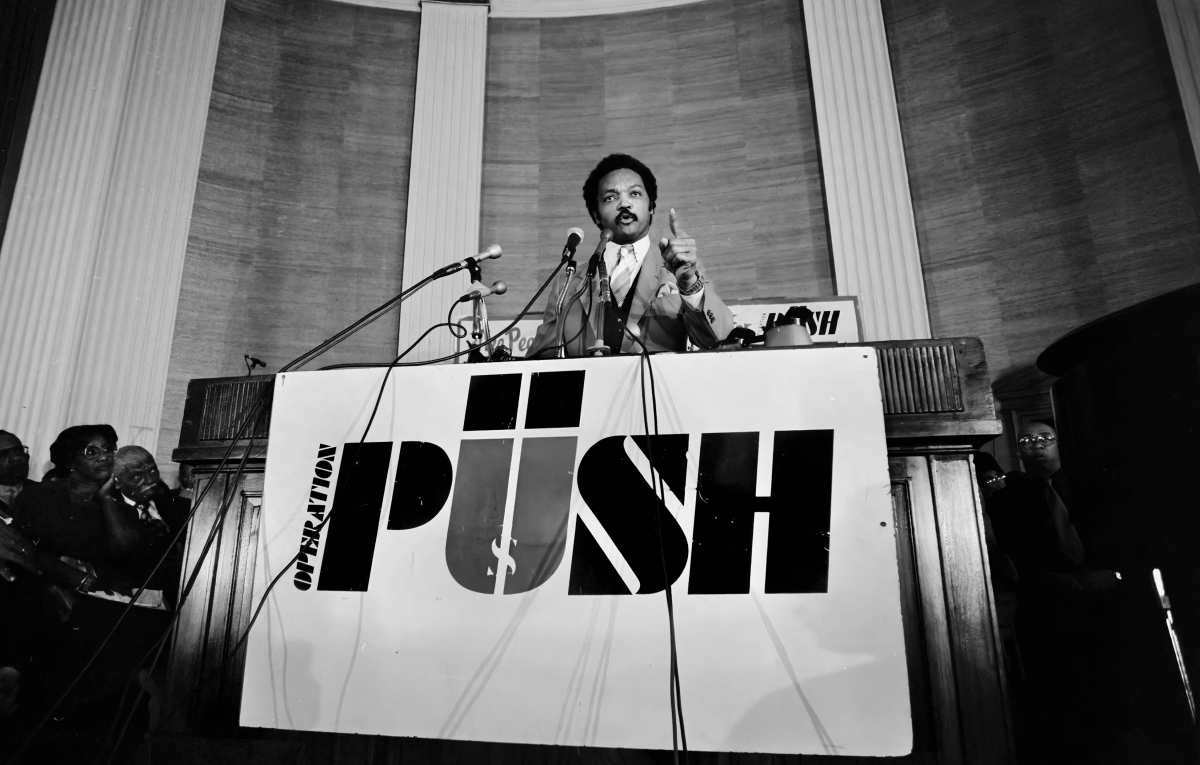
In the years that followed, Jackson founded People United to Save Humanity (PUSH) in Chicago, later merging it with the Rainbow Coalition. The organization focused on voter mobilization, economic justice, and civil rights advocacy nationwide.
Breaking barriers on the campaign trail
Jackson became one of the first Black candidates to mount viable campaigns for the Democratic presidential nomination. He ran in 1984 and again in 1988, winning several primaries and caucuses in his second bid and securing millions of votes. His campaigns expanded voter registration efforts and increased Black participation in national politics.
His 1984 campaign drew controversy after remarks about New York’s Jewish community, for which he later apologized. Despite the setback, his candidacies were widely viewed as milestones in broadening representation within the Democratic Party.
Beyond electoral politics, Jackson engaged in diplomatic efforts abroad, including negotiating the release of American detainees overseas. Under Bill Clinton, he served as a special envoy and advocated for statehood for Washington, DC, in his role as a shadow senator. In 2000, he received the Presidential Medal of Freedom in recognition of his civil rights work.
Witnessing a historic transition of power
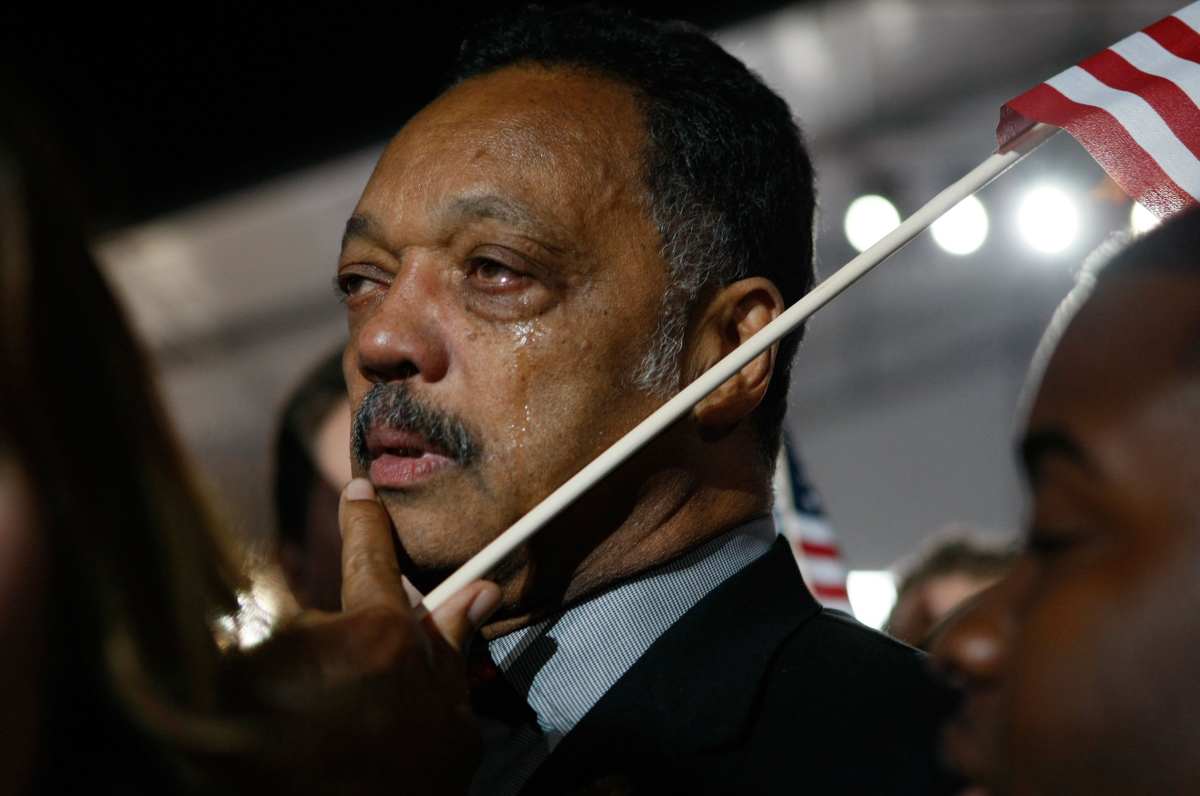
In 2008, an image of Jackson in tears during Barack Obama’s election-night victory speech became emblematic of a generational milestone in American politics. Jackson later reflected on the sacrifices of earlier civil rights leaders, including King and Medgar Evers, in paving the way for the country’s first Black president.
Throughout his life, Jackson remained active in faith and education. He received more than 40 honorary doctorate degrees and was awarded a Master of Divinity from Chicago Theological Seminary in 2000 in recognition of his lifelong ministry and activism.
Jackson is survived by his wife of more than 60 years, Jacqueline, and their six children. The Rainbow PUSH Coalition is expected to announce details regarding public memorial services in Chicago. His death closes a chapter in the civil rights era, leaving behind a legacy that shaped both protest movements and presidential politics.