Joy Reid claims Renee Nicole Good was trained as part of network using 'White bodies' to impede ICE
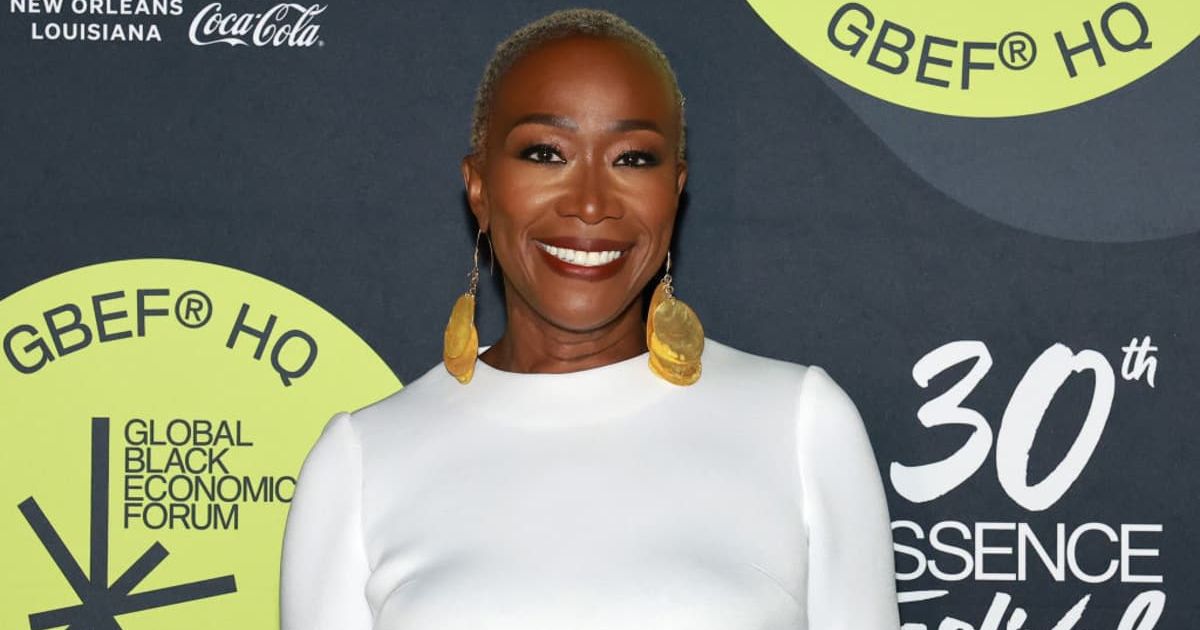
Joy Reid says Renee Good was trained, part of a network that's using "white bodies" as tools to impede ICE pic.twitter.com/l6vB8woHUa
— End Wokeness (@EndWokeness) January 13, 2026
MINNEAPOLIS, MINNESOTA: Former MSNBC host Joy Reid waded into one of the most controversial stories of the week.
Reid had plenty to say about the fatal shooting of Renee Nicole Good, a 37-year-old Minneapolis resident, by an ICE officer during a recent appearance on the 'Way Up with Angela Yee' podcast. She painted Good as part of what she described as an organized campaign aimed at disrupting ICE operations.
Good, who lived in Minneapolis with her wife, was killed during an encounter with ICE agents who authorities said were trying to rescue eight children from a human trafficking situation.
Video footage released by federal officials shows exchanges between Good, her wife, and the agents in the moments before ICE agent Jonathan Ross fired the shots that killed her.
🚨 BREAKING: Was just sent a video showing the moments before the shooting.
— Dustin Grage (@GrageDustin) January 10, 2026
In it, you can clearly see Renee Good’s vehicle blocking ICE agents for over 3 minutes as she’s dancing to her own car horn.
Kinda ruins some narratives, doesn’t it? pic.twitter.com/aXtiTjAtF9
Inside the fatal encounter
According to reports, ICE agents were carrying out an operation in a residential neighborhood in South Minneapolis when Renee Nicole Good got involved. Witnesses said she tried to block an ICE vehicle, triggering a confrontation that ended with her being shot.
Newly released body-camera footage from the ICE officer’s perspective shows the tense back-and-forth that led up to the gunfire. In the video, Good and her wife can be seen engaging with the agents several times. The situation spirals shortly after.
BREAKING: Alpha News has obtained cellphone footage showing perspective of federal agent at center of ICE-involved shooting in Minneapolis pic.twitter.com/p2wks0zew0
— Alpha News (@AlphaNews) January 9, 2026
ICE has argued that Good posed a genuine threat. The agency also noted that agent Jonathan Ross’ history had been seriously hurt in a separate incident six months earlier.
In that earlier episode, Ross was dragged and suffered a leg injury that required 33 stitches. This was something ICE says factored into how he assessed danger during the Minneapolis encounter.
From the White House, Vice President JD Vance called the shooting “a tragedy of her own making.” He stressed that Ross had already been injured in the line of duty and suggested that Good’s actions helped lead to the deadly outcome.
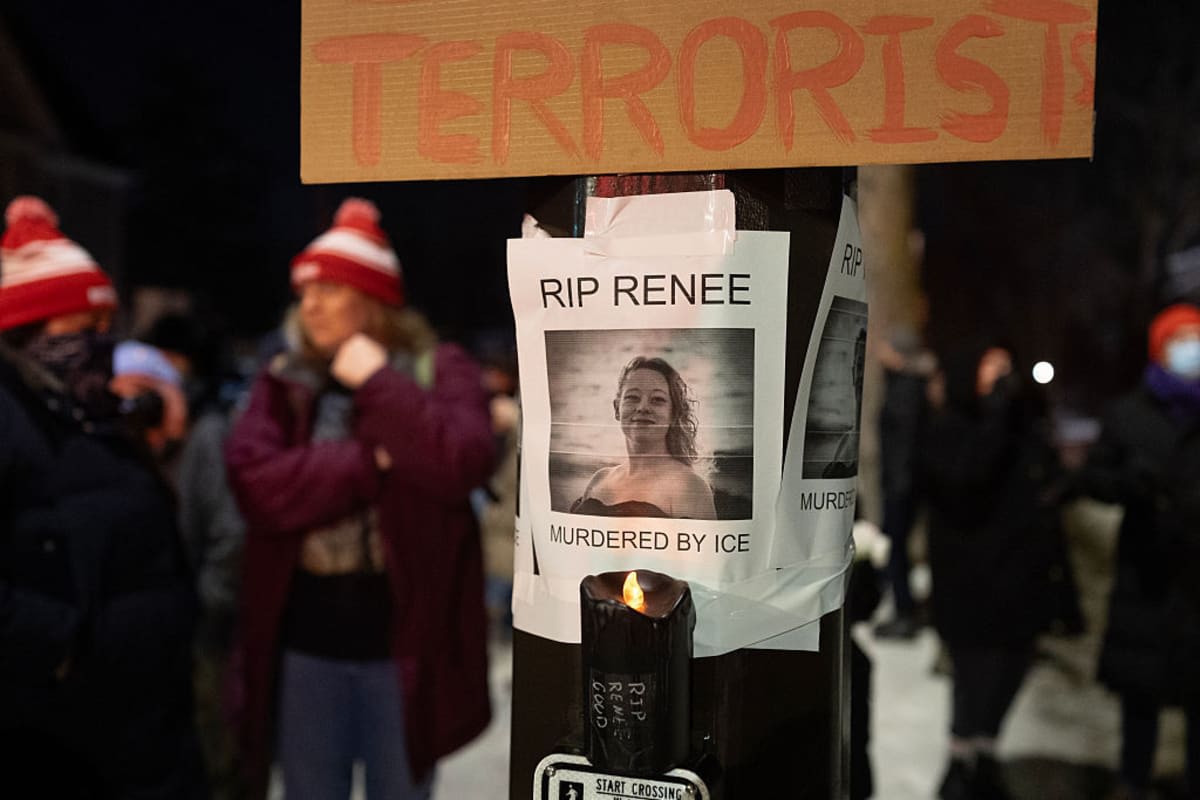
On the other hand, protests broke out nationwide as demonstrators condemned ICE’s use of lethal force.
Joy Reid’s take on activist networks and 'White bodies'
On 'Way Up with Angela Yee,' Reid said Good was not just a protester, but someone operating inside a larger activist network. She said Good was connected to organizations like ICE Watch, which trains people to monitor, film, and interfere with immigration enforcement.
“This woman was part of a group of people who they train to try to be ICE interrupters, and what they try to do is observe what ICE is doing, film them, and try to use their White privilege. To be honest, they're mainly White people, which is what we ask, yeah right? Because Black people like we can't put our bodies on the line because cops will shoot us.”
Reid argued that race is baked into how these groups decide who goes on the front lines. In her view, white activists are sent into confrontations because they are presumed to be safer around law enforcement.
“And so the presumption had been, particularly a White woman, because remember part of the rationale for deporting is to protect White women from being ravaged by you know criminal Brown men. So White women had [the presumption of safety],” she insisted.
According to Reid, this strategy is no accident. She said networks intentionally deploy what she bluntly called “White bodies” as tools, betting that officers will hesitate to use deadly force against them in ways they might not with people of color.