Khamenei funeral set for July as injured heir's absence fuels Iran power mystery: Report
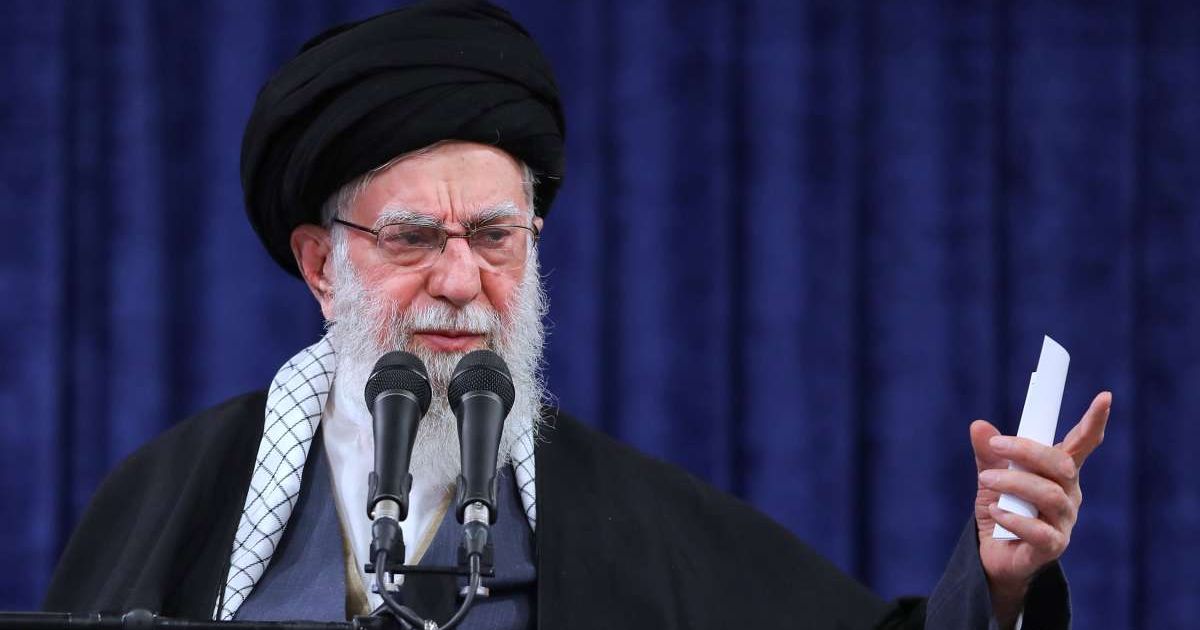
WASHINGTON, DC: More than four months after Ayatollah Ali Khamenei was killed in the opening wave of Israeli and US strikes against Iran, authorities have announced an elaborate five-day farewell for the longtime supreme leader, according to a report by Reuters published on Saturday, June 13.
The ceremonies, stretching across multiple cities and ending with his burial in Mashhad, are expected to become one of the largest state events in modern Iranian history as the country continues adjusting to a dramatic leadership transition.
Details of the farewell, funeral, and burial ceremonies of the martyred mujahid Imam Sayyid Ali Khamenei and the honorable martyrs from his family (may God be pleased with them all)
— Khamenei Media (@Khamenei_m) June 13, 2026
To read the full text of the statement 👇https://t.co/WZTSETyreT pic.twitter.com/BtUFO9QBOt
State funeral to span multiple cities
Iranian state media reported on Saturday that official funeral ceremonies will begin in Tehran on July 4 before moving through several religious and political centers.
The process is expected to culminate on July 9 with Khamenei's burial in Mashhad, the northeastern holy city where he was born. Additional commemorations are scheduled in Qom, one of the most important centers of Shia religious scholarship.
The unusually lengthy schedule reflects the significance of Khamenei's role in Iranian politics.
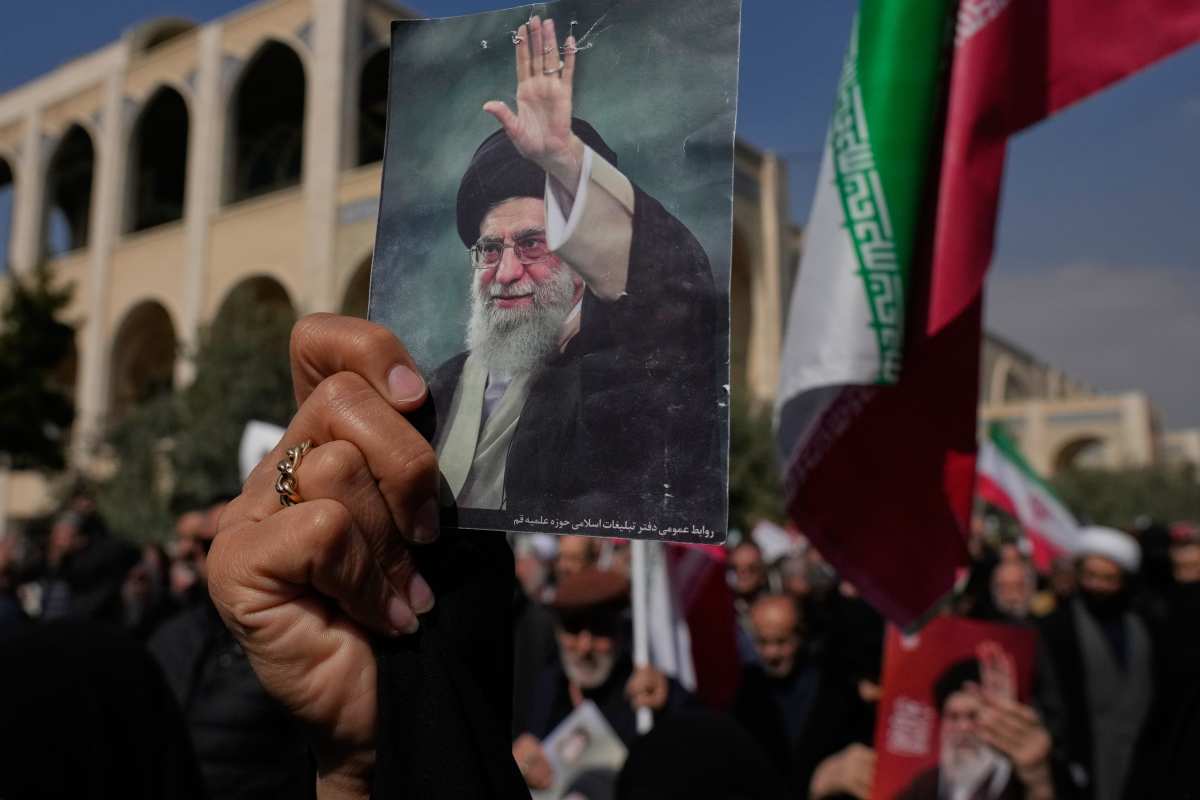
The 86-year-old cleric led the Islamic Republic for 36 years and remained the country's most powerful political and religious figure until his death.
The state media has also announced the funeral of other members of Khamenei's family killed in the strikes.
The announcement comes after months of uncertainty following the February 28 strike that killed Khamenei during the first day of a major military campaign targeting Iran.
The farewell, funeral, and burial ceremonies for the pure bodies of Martyr Khamenei and the members of his family — martyrs Dr. Misbah al‑Huda Baqeri Kani, Sayyida Bushra Hosseini Khamenei, Zahra Haddad Adel, and Zahra Mohammadi Golpayegani — will be held as follows: pic.twitter.com/2VEvtg9Kmd
— Khamenei Media (@Khamenei_m) June 13, 2026
Under Islamic tradition, burials generally occur shortly after death. However, extraordinary circumstances surrounding the conflict and subsequent political transition appear to have delayed formal state funeral proceedings.
Mystery persists over Mojtaba Khamenei
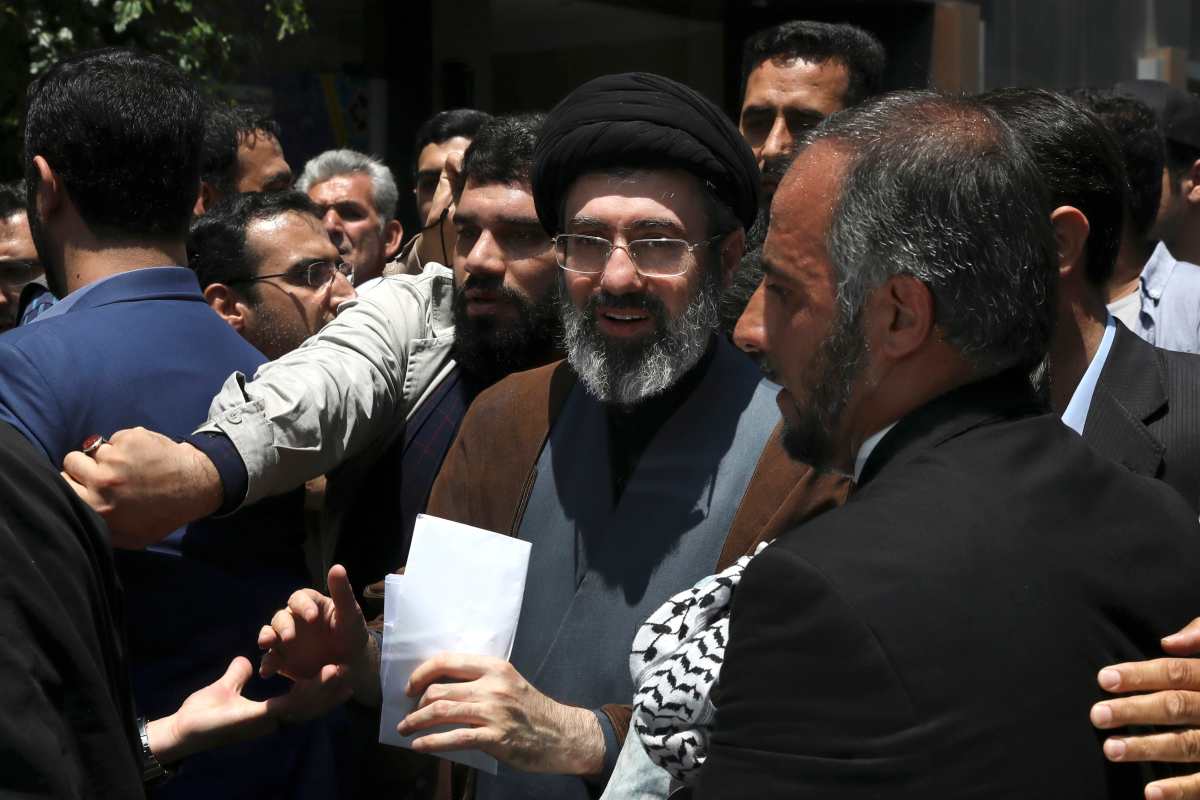
The funeral plans also shine a spotlight on Iran's new Supreme Leader Mojtaba Khamenei, who succeeded his father after the strike.
Mojtaba largely disappeared from public view in the aftermath of the attack. Reports have also indicated that Mojtaba's wife and son were killed in the same strike that claimed his father's life.
His elevation to supreme leader marked one of the most consequential political transitions in Iran since the death of Ayatollah Ruhollah Khomeini in 1989.
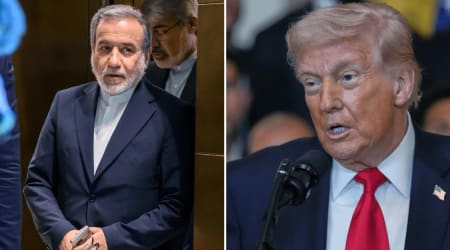
The funeral announcement arrives as reports continue to circulate about possible diplomatic progress between Tehran and Washington after months of conflict.
Pakistani Prime Minister Shehbaz Sharif said on Saturday that Iran and the United States had reached a framework for a potential peace arrangement and could move toward signing an initial agreement as soon as 24 hours.
If an agreement materializes, Khamenei's funeral could take place at a pivotal moment for Iran, marking both the end of the leader who shaped the country's modern identity and the beginning of a new era under his successor.