Left-wing violence now top domestic terror threat as Trump orders federal crackdown on Antifa
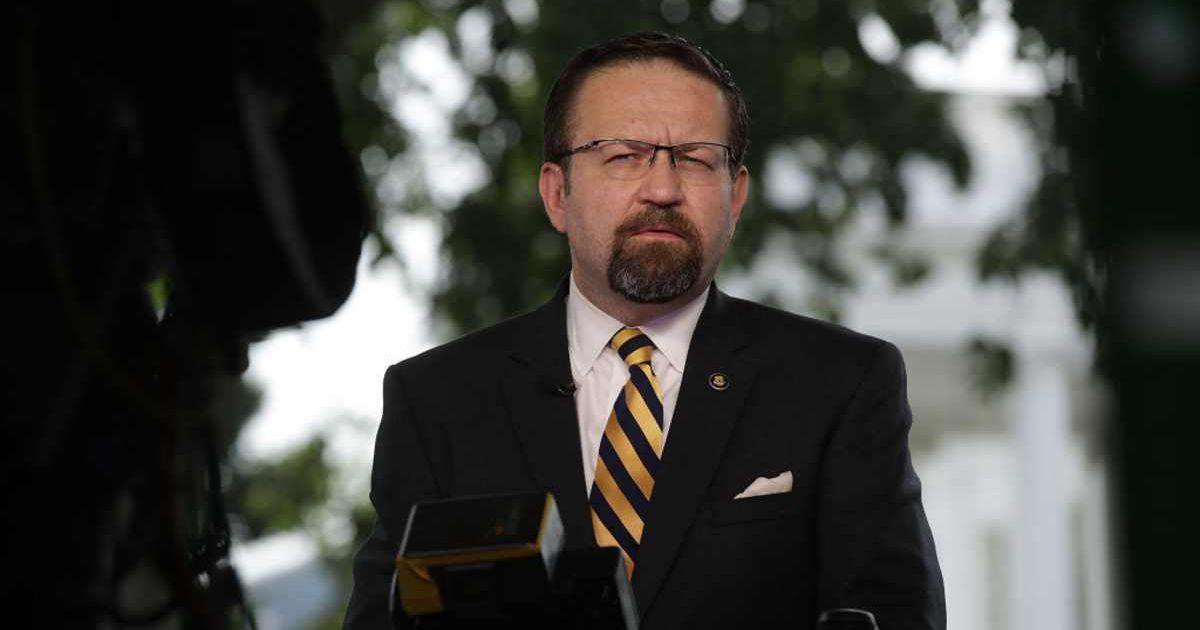
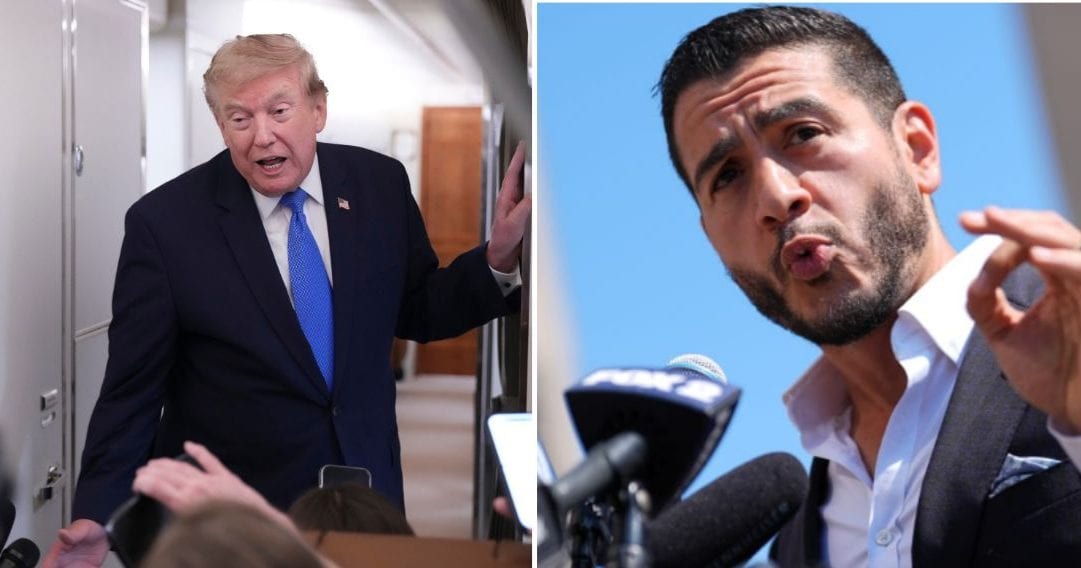
WASHINGTON, DC: In a fundamental shift in national security policy, the Trump administration on Wednesday, May 6, unveiled a long-awaited strategy that pivots toward domestic left-wing "violent secular" groups.
The National Counterterrorism Strategy marks a departure from decades of focusing primarily on foreign religious extremists, instead prioritizing the "rapid" identification and neutralization of political movements described as "anti-American, radically pro-gender or anarchist."
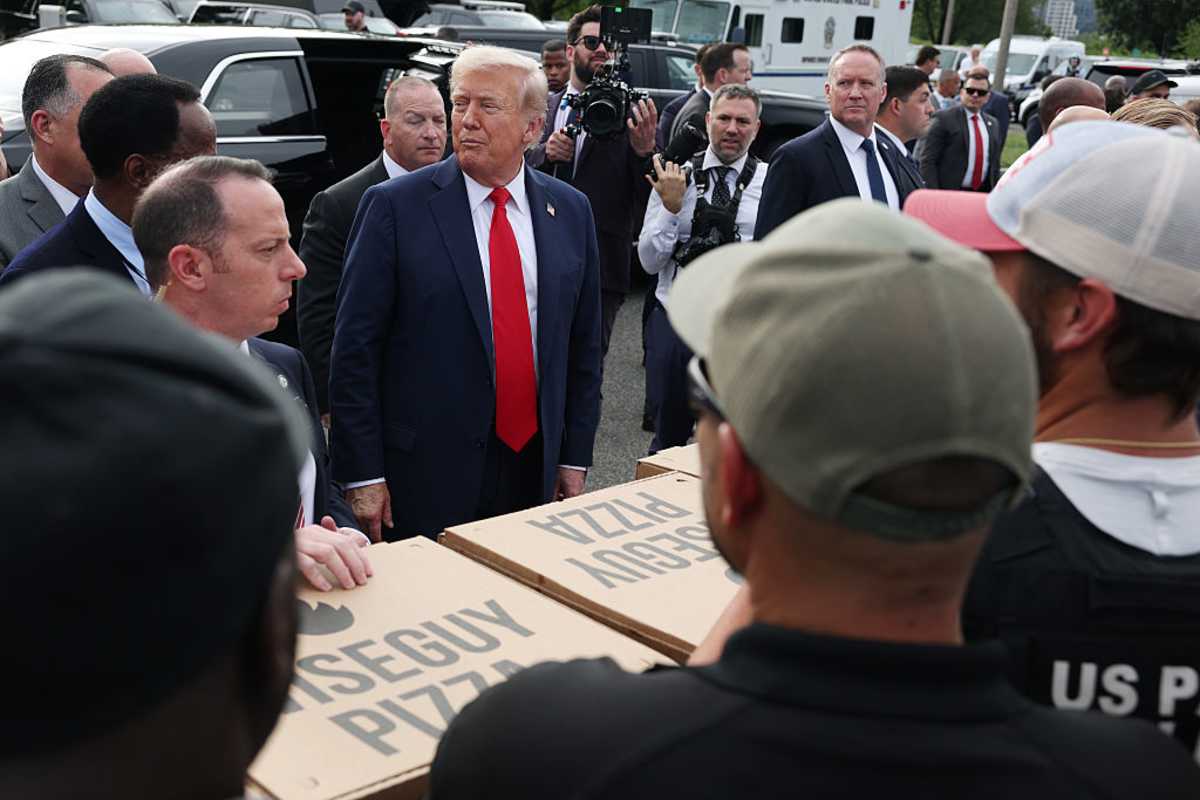
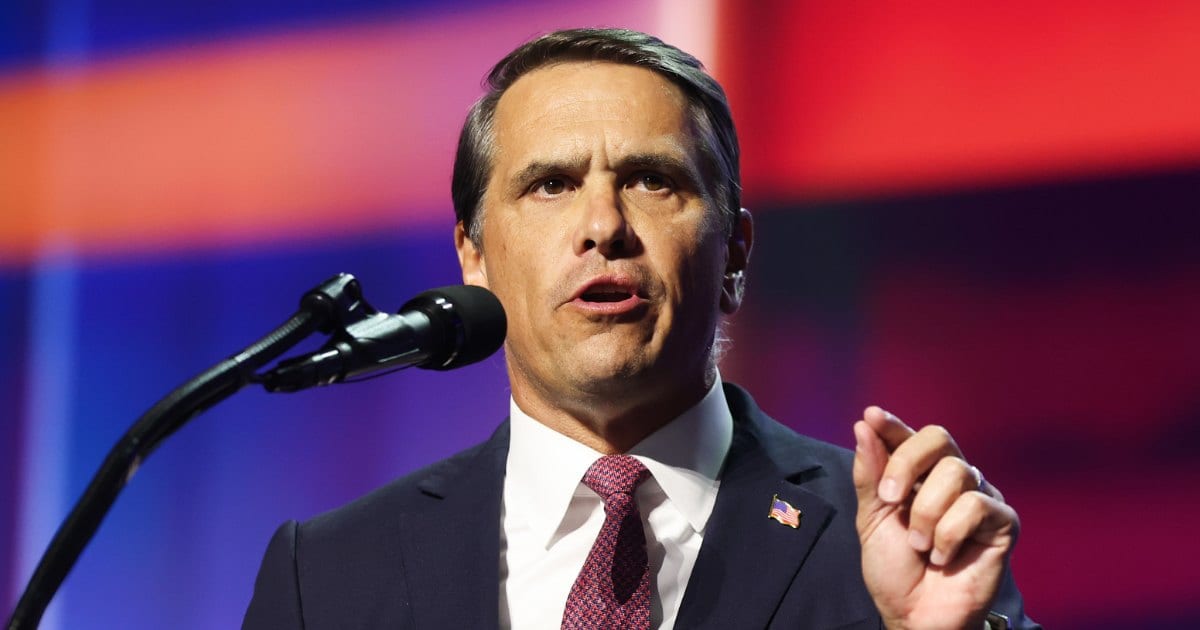
Sebastian Gorka, the senior counterterrorism director at the National Security Council, spearheaded the new framework and officially released the details during a call with reporters.
Gorka argued that while the administration will not permit violence from "either side of the aisle," the political left is responsible for the majority of recent politically motivated assassinations or attempted assassinations.
This policy shift follows an executive order signed by President Trump in late September that officially designated the activist movement Antifa as a radical organization.
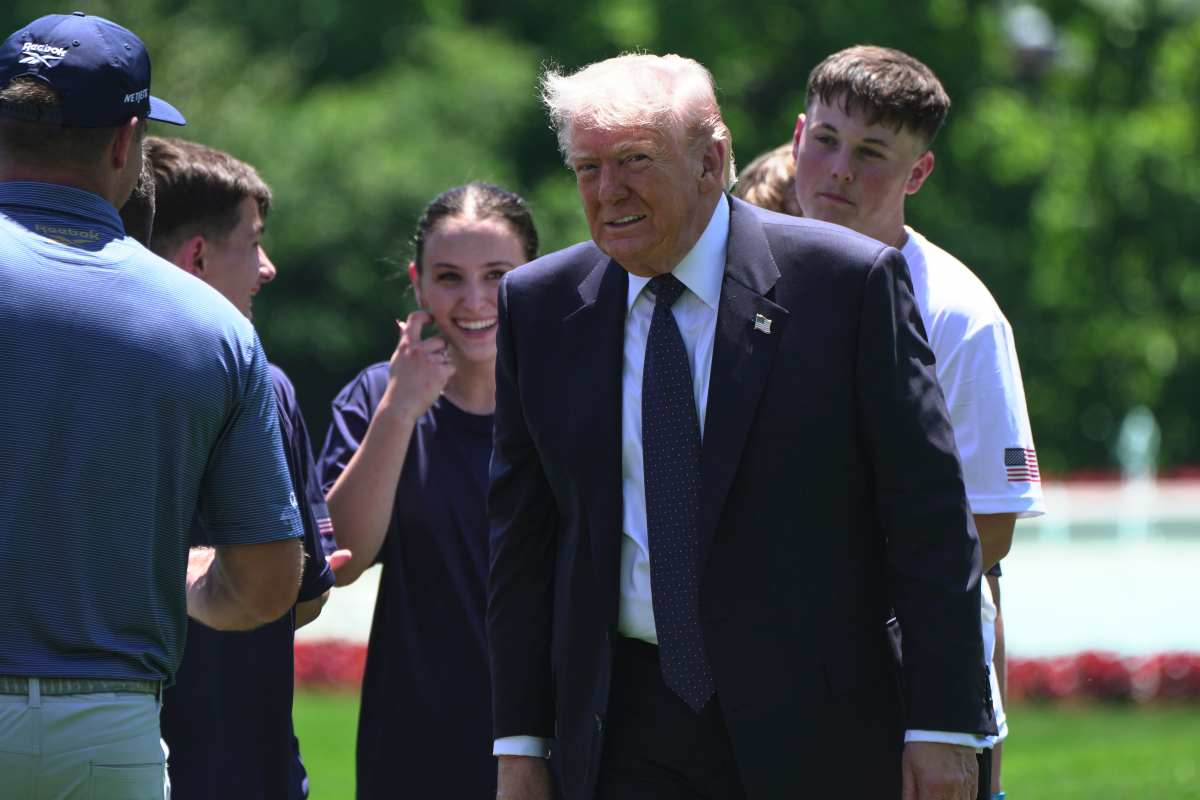
Mapping membership to topple domestic movements
The administration intends to use every constitutionally available tool to "map" domestic groups at home and identify their specific membership.
Gorka emphasized that the federal government will look specifically for ties between local activists and international organizations.

The goal, according to the NSC director, is to use law enforcement tools to cripple these groups operationally before they can "maim or kill the innocent."
While Gorka declined to outline the specific tactical steps the government will take to neutralize these threats, the strategy finds some statistical backing in recent reports.
A September 2025 analysis from the Center for Strategic and International Studies (CSIS) noted that 2025 marked the first time in over 30 years that left-wing extremist attacks outnumbered those from the far right.
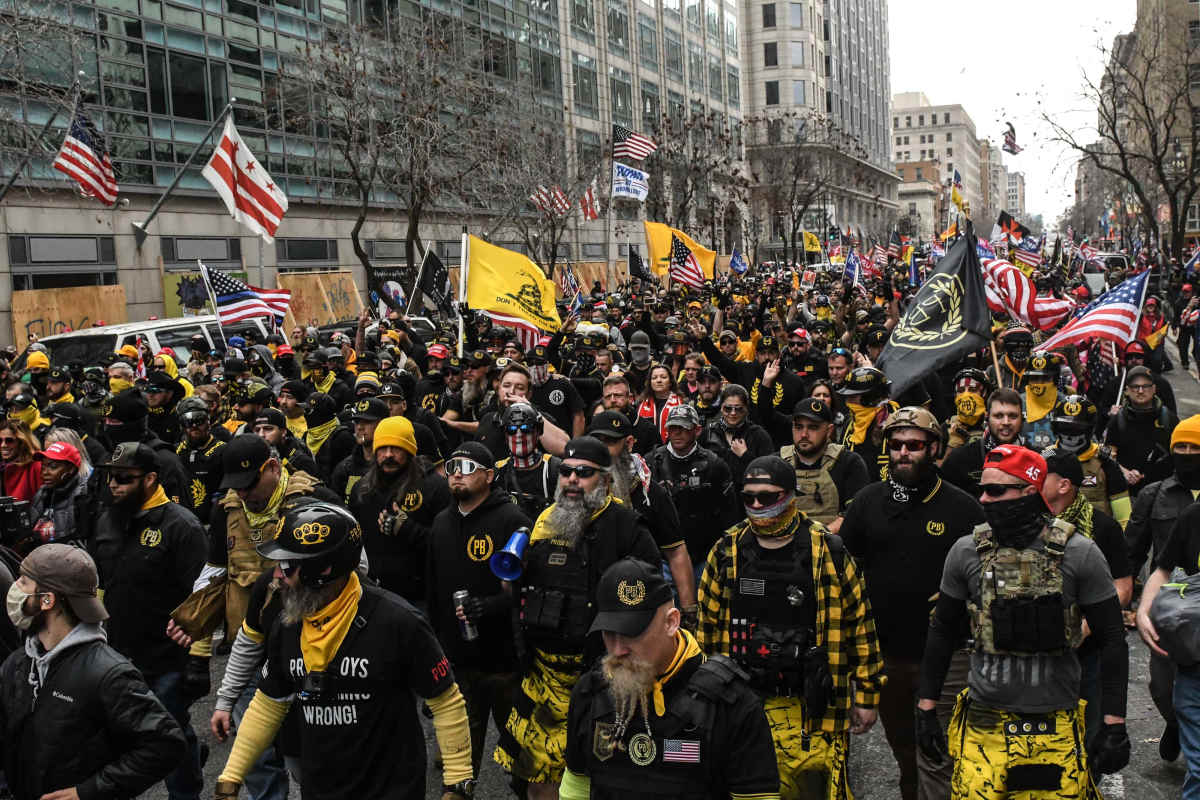
However, the CSIS authors cautioned that the decline in right-wing violence is likely temporary and noted that effective countermeasures should apply to violence from both the left and the right.
Military strikes target international cartels
The new framework extends far beyond domestic borders, placing a renewed emphasis on countering cartels in the Western Hemisphere.
Since returning to office, President Trump has directed the US military to conduct strikes against armed groups operating in the Caribbean and Eastern Pacific.
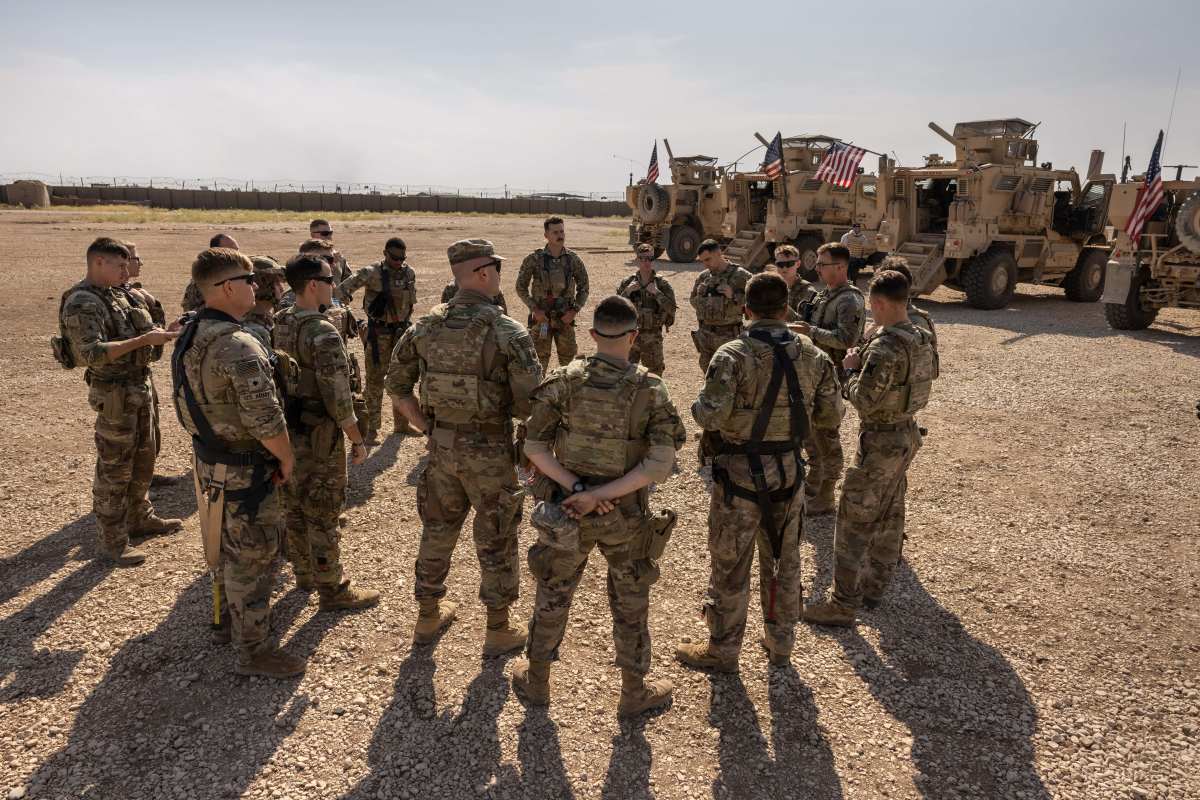
Since September 2 of last year, the military has carried out a minimum of 56 strikes, resulting in the deaths of at least 190 individuals associated with these cartels.
Gorka stated that the administration will continue to use Foreign Terrorist Organization (FTO) designations to "strangle" the commercial and logistic sinews of these organizations.
This aggressive stance also targets individuals within the United States, with Gorka promising to find and remove cartel and gang members who he claims entered the country under the previous administration.
Allies asked to help quash extremist groups
Despite the domestic shift, the strategy maintains a focus on destroying top Islamist extremist groups.
There is a particular emphasis on ISIS-Khorasan (ISIS-K), which remains active in Afghanistan and Pakistan. Additionally, the administration has already designated several chapters of the Muslim Brotherhood as an FTO.
To achieve these global goals, Gorka indicated that the United States will expect allied nations to "step up to the plate."
These requests for assistance will range from protecting shipping tankers in the Strait of Hormuz to collaborative efforts to quash extremist threats worldwide.
The administration plans to discuss the new framework with international partners to ensure their actions complement US objectives.