Russia praises Trump’s National Security Strategy as aligned with Moscow’s worldview
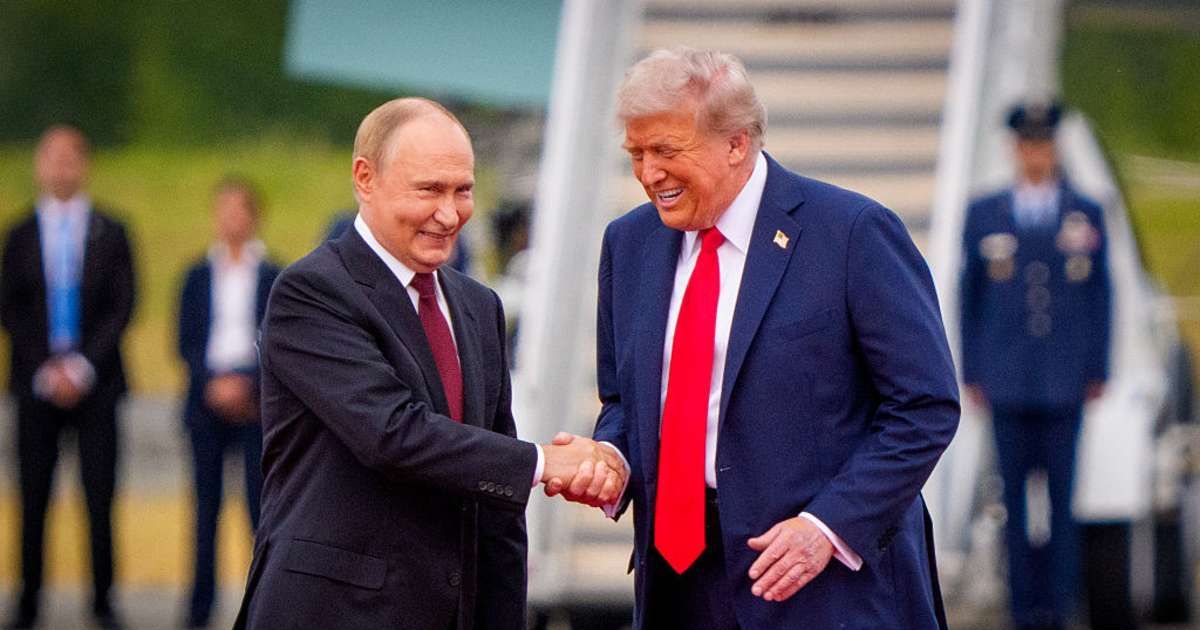
KREMLIN, RUSSIA: Russia publicly endorsed President Donald Trump’s new National Security Strategy, with the Kremlin calling its direction “largely consistent” with Moscow’s own worldview.
Kremlin spokesman Dmitry Peskov, speaking to reporters on Monday, December 8, lauded the updated doctrine as a “positive step” and said that the current US administration was “fundamentally different from the previous ones.”
“President Trump is currently strong in terms of domestic political positions,” Peskov said. “This gives him the opportunity to adjust the concept to suit his vision,” he added.
Peskov also welcomed the strategy’s call for “ending the perception, and preventing the reality, of NATO as a perpetually expanding alliance,” along with its stated intent to “stabilize relations with Russia.”
Trump’s strategy warns Europe of ‘civilizational erasure’
Trump’s blueprint delivers a stark critique of Europe, warning that the continent faces the prospect of “civilizational erasure” unless it reverses current demographic and economic trends.
It argues that Europe’s economic contributions are lagging and questions whether “certain European countries will have economies and militaries strong enough to remain reliable allies” within 20 years.
Dear American friends, Europe is your closest ally, not your problem. And we have common enemies. At least that’s how it has been in the last 80 years. We need to stick to this, this is the only reasonable strategy of our common security. Unless something has changed.
— Donald Tusk (@donaldtusk) December 6, 2025
The document praises “patriotic European parties” and encourages political allies to support this “revival of spirit.”
On Ukraine, the strategy accuses European governments of undermining peace efforts, claiming that while “a large European majority wants peace,” governments have “subverted democratic processes” to obstruct progress.
European officials pushed back at the rebuke. German Foreign Minister Johann Wadephul insisted the US “will remain our most important ally,” but said issues such as “freedom of expression or the organisation of our free societies do not belong” in such strategy documents.
Polish Prime Minister Donald Tusk appealed directly to Washington, reminding “American friends” that “Europe is your closest ally, not your problem.”
Kremlin seeks clarity on US–Ukraine talks
Separately, Peskov said Russia needs a better understanding of the latest US–Ukraine negotiations on ending the war. He noted that discussions were now being conducted “in silence,” which he described as constructive.
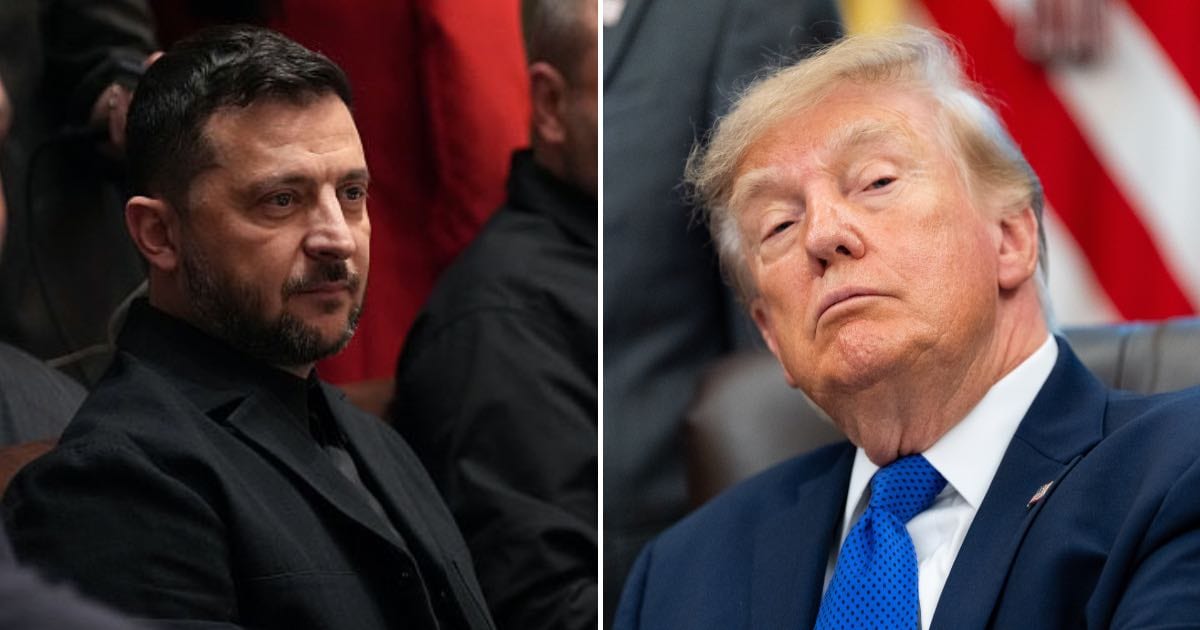
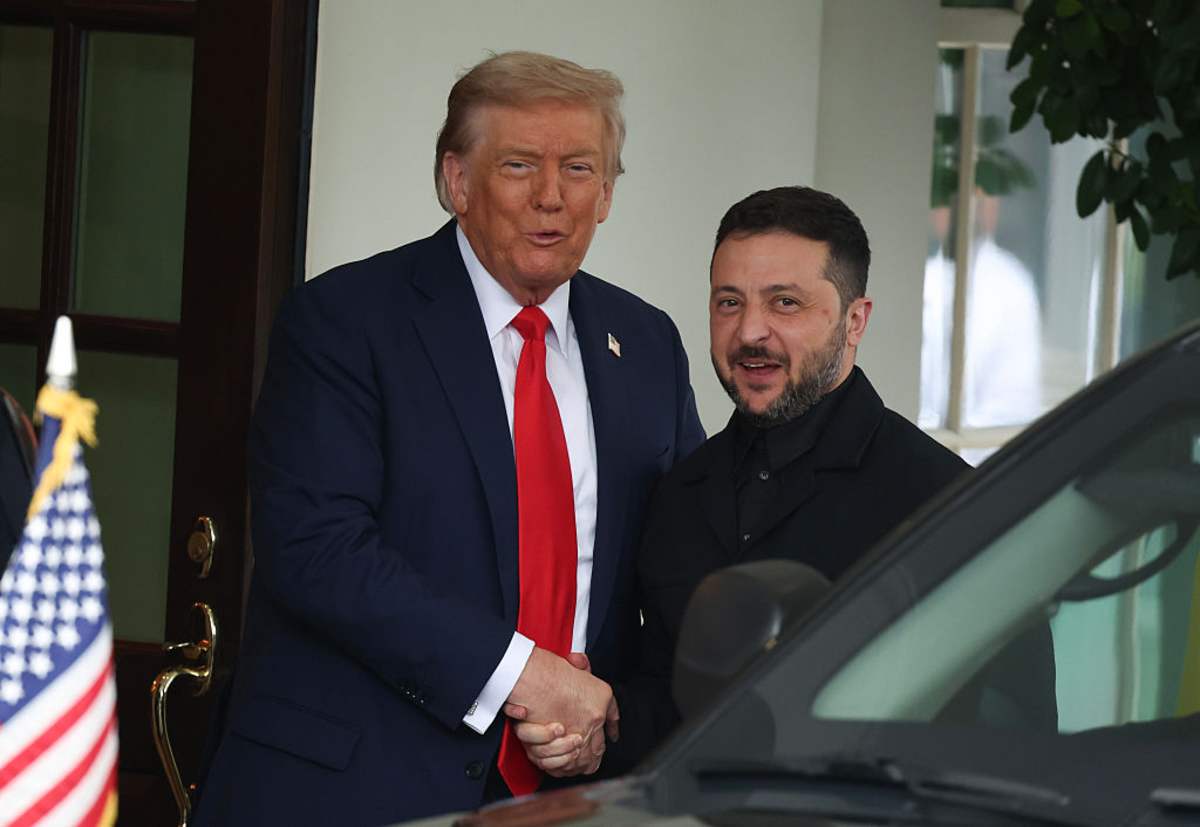
“We don’t know exactly what the differences of opinion are,” he said, responding to Trump’s claim that Ukrainian President Volodymyr Zelensky has yet to read the US peace plan.

Peskov also praised the nuances in the new strategy, saying it “speaks of the need for dialogue and building constructive, good relations.” By removing “current bilateral irritants,” he added, the US and Russia could pull their ties out of a “rather deep crisis.”