Lindsey Graham's death throws Trump's agenda into chaos as Congress returns to Capitol Hill
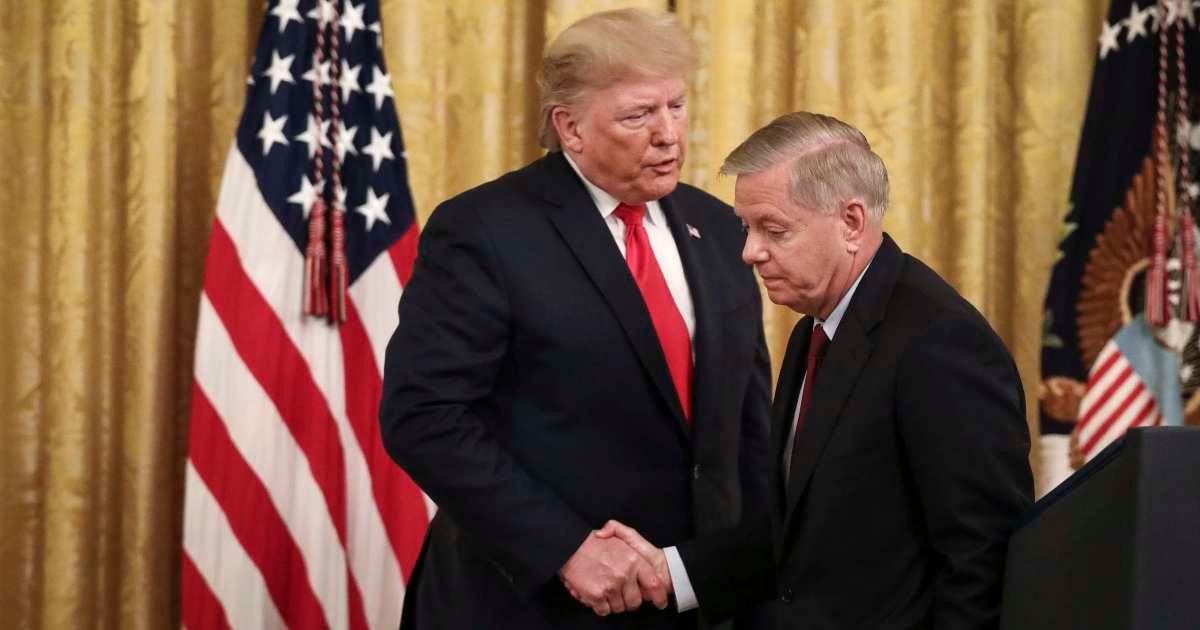
WASHINGTON, DC: Congress returns to Capitol Hill this week with an unusually crowded legislative calendar, but the sudden death of Sen Lindsey Graham has fundamentally altered the political landscape facing President Donald Trump and Republican leaders.
Graham, who died unexpectedly over the weekend at 71, was more than a senior senator from South Carolina.
As chairman of the Senate Budget Committee and one of Trump's closest allies, he played a central role in shepherding the administration's biggest priorities through the upper chamber.
His absence now comes at a moment when Republicans are racing to advance key legislation before the August recess, and the 2026 midterm campaign intensifies.

SAVE America Act faces new roadblocks
The first major challenge awaiting congressional leaders is Trump's continued push for the SAVE America Act.
The legislation has become the centerpiece of the president's agenda, despite lacking sufficient Republican support in the Senate.
Before lawmakers left for recess, internal GOP divisions over the measure effectively brought House business to a standstill, forcing Speaker Mike Johnson to send members home early.
Trump has urged Senate Republicans to find a path forward, even suggesting the legislation be folded into other must-pass bills.
Vice President JD Vance is expected to meet House Republicans as leaders attempt to revive negotiations, but Graham's death removes one of the Senate's most experienced dealmakers at a time when consensus already appears difficult.

Budget battles lose key architect
Graham's absence could prove even more consequential for Trump's proposed third budget reconciliation package.
As Chairman of the Senate Budget Committee, Graham helped launch the first two reconciliation efforts this Congress and was expected to guide another package containing hundreds of billions of dollars in defense funding alongside Trump's legislative priorities.
The proposal already faced resistance from several Senate Republicans, including appropriators concerned about another partisan spending bill.
With Republicans holding only a narrow Senate majority and Sen Mitch McConnell continuing to recover from health issues, Graham's death further complicates the administration's ability to move another reconciliation package through Congress.
Security agenda enters uncertain phase
National security legislation also returns to the forefront as lawmakers confront several unresolved issues.
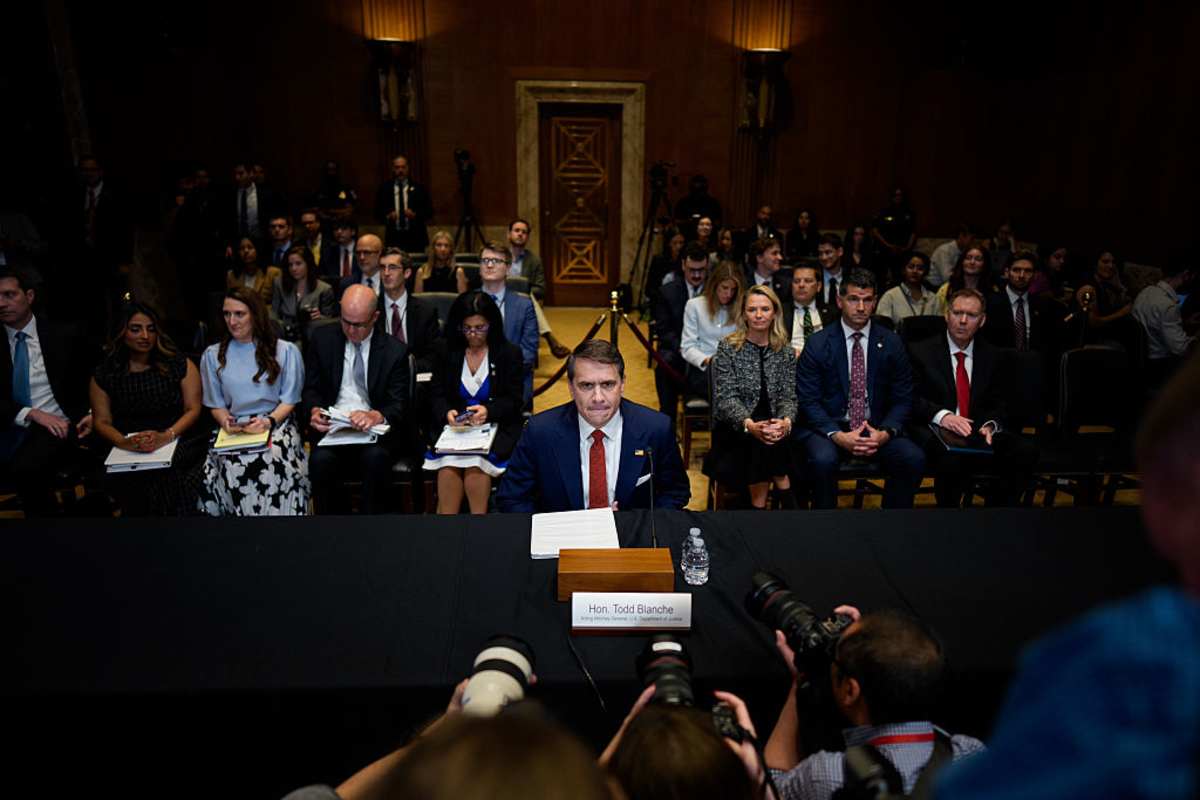
The Senate is preparing confirmation hearings for Attorney General nominee Todd Blanche and Intelligence Chief nominee Jay Clayton, while lawmakers continue debating the future of Section 702 of the Foreign Intelligence Surveillance Act after its expiration.
Meanwhile, the annual National Defense Authorization Act faces growing Democratic resistance over defense spending and recent military operations.
Trump's insistence on linking several priorities to the SAVE America Act has further complicated negotiations, leaving Republican leaders with limited time before recess.
Russia sanctions gain new urgency
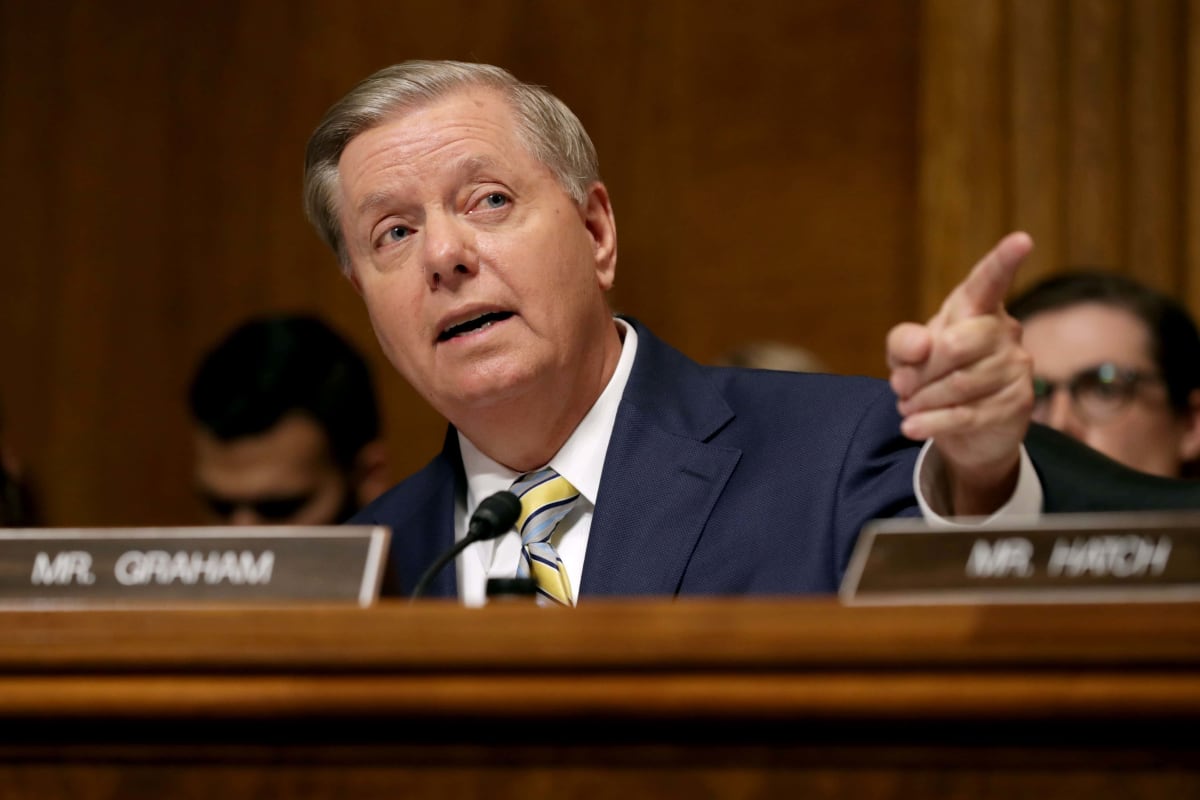
One measure likely to receive renewed attention is the bipartisan Russia sanctions package that Graham championed for more than a year.
Days before his death, Graham announced he had reached an agreement with the Trump administration on legislation targeting countries that continue doing business with Russia, particularly purchasers of Russian oil.
Following his passing, lawmakers from both parties called for advancing the bill as a tribute to his legacy.

Democratic Sen Jeanne Shaheen described the sanctions proposal as one of Graham's "most consequential efforts," while House lawmakers pledged to introduce companion legislation.
Even so, Republicans now face the broader challenge of advancing Trump's legislative priorities without one of the Senate's most influential strategists, a reality that could shape every major vote before Congress leaves Washington for August.