Mamdani, others sue Trump over DHS rule that could make green cards harder to get
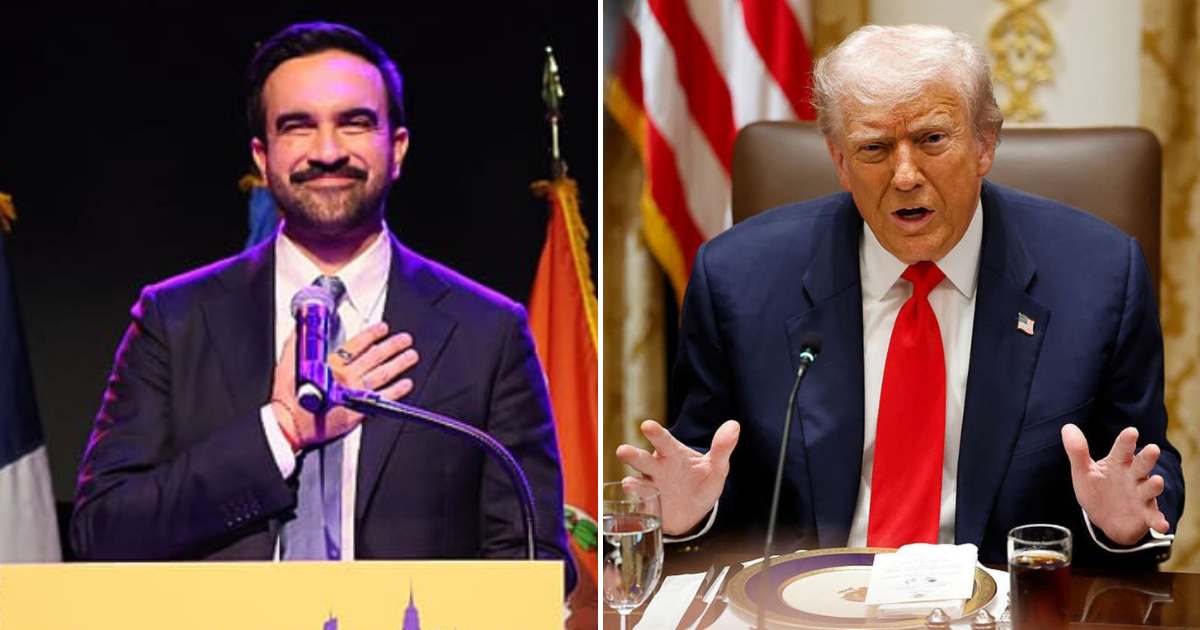
WASHINGTON, DC: 22 states have moved to pursue legal action against the Trump administration’s push to make it harder for legal immigrants to pursue their green card dream.
The Department of Homeland Security has moved to replace the 2022 restriction, granting wider case-by-case discretion to immigration officials to deny green cards and visas if they determine that an applicant might become dependent on government assistance.
Letitia James, Zohran Mamdani announce lawsuit against DHS rule
Over 20 states have sued the Trump administration over the new rule that would let the federal government more easily deny green cards and visas to immigrants based on their use of public benefits such as food stamps, Medicaid, or housing vouchers.
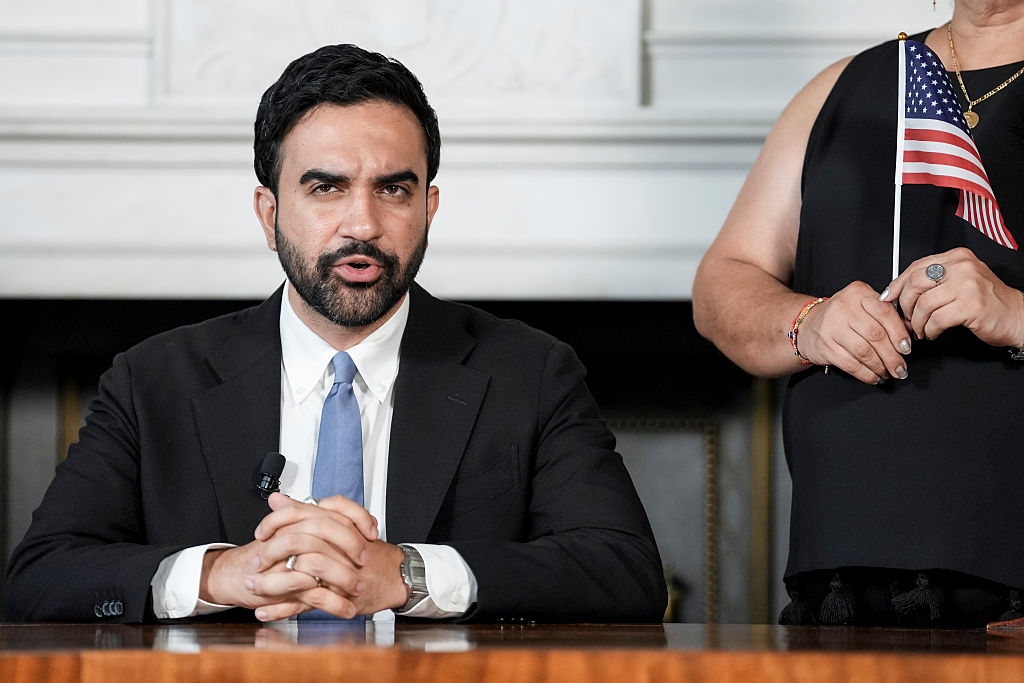
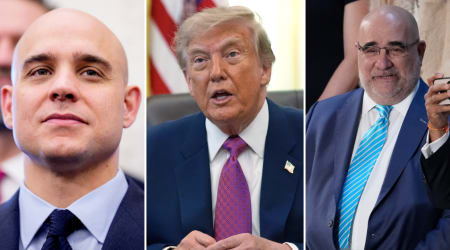
New York Attorney General Letitia James and New York City Mayor Zohran Mamdani announced the lawsuit during a news conference at City Hall in Manhattan on Monday, September 14. Mamdani is also leading a group of cities that has filed a similar lawsuit.
The new rule, set to take effect on Friday, September 18, comes on the heels of President Donald Trump’s effort to tighten the screws on the legal forms of immigration and reduce the entry of immigrants with limited means to the US.
States argue that they would lose billions of dollars in federal funding if immigrants, particularly mixed-status families, opt out of programs due to fears about immigration consequences.
“Hardworking families should not be forced to go without the support they need because they fear asking for assistance will get them deported,” Letitia James said in a release.
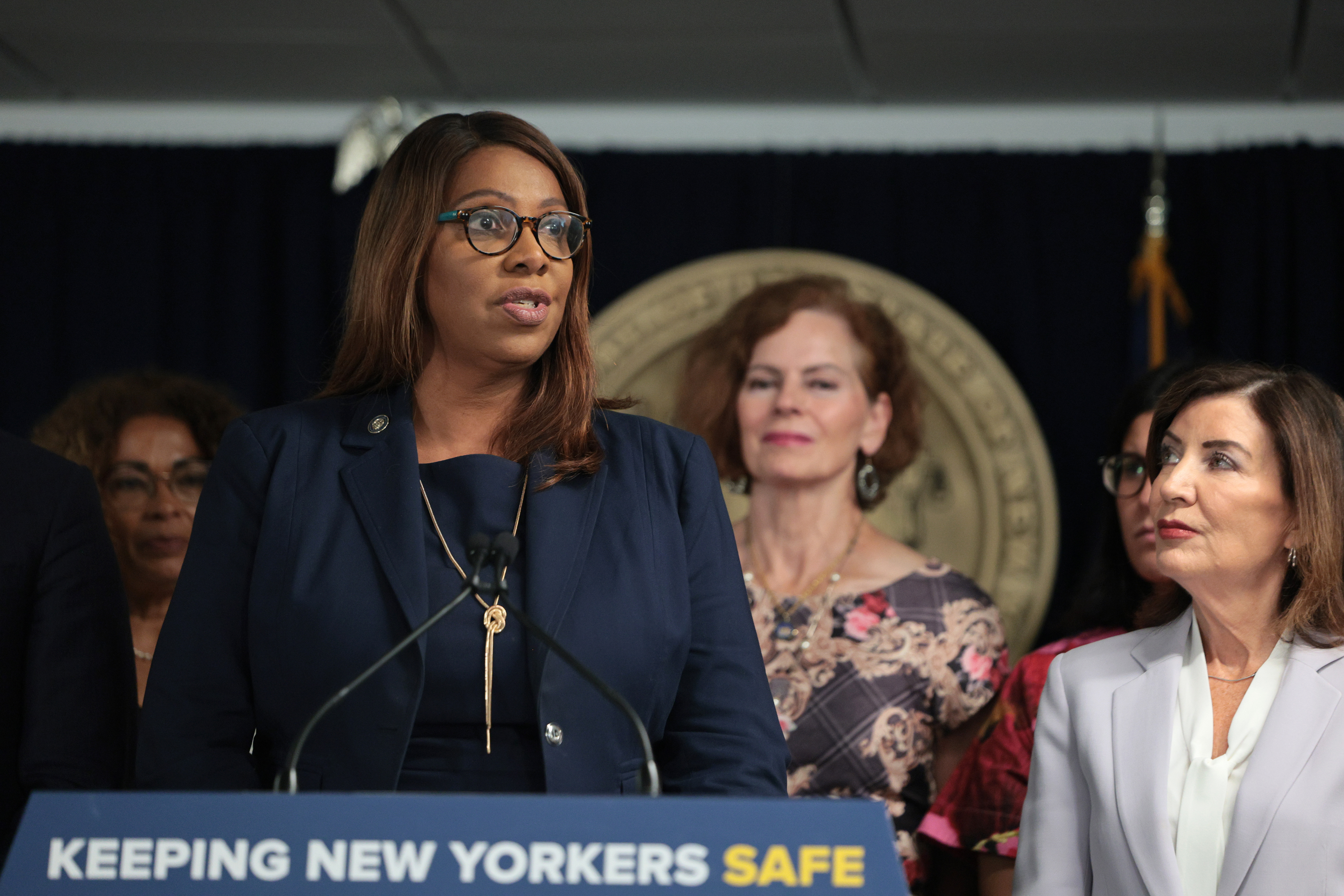
“This rule preys on that fear and counts on families forfeiting the food assistance, health care coverage, and other public benefits to which they are legally entitled,” James added.
How the 'public charge' rule works
The lawsuit is related to pending changes to a provision of US immigration law known as “public charge,” which dates to the Immigration Act of 1882.
The provision allows the government to deny a visa or green card to someone it determines is likely to become dependent on government assistance.
Federal lawmakers at the time wanted to make sure that immigrants would be able to take care of themselves and not end up a public burden.

Historically, immigration officers counted only cash benefits, such as Temporary Assistance for Needy Families or Supplemental Security Income from Social Security, in their evaluations.
But the Trump administration’s pending changes have not specified which safety-net programs to consider when evaluating whether an applicant would become dependent on government aid.
The rule focuses on people who already have legal status in the US. Undocumented immigrants are not eligible for public benefits.
James’ lawsuit on New York’s behalf argues DHS is exceeding its authority because Congress did not approve a broader interpretation of what it means to be a public charge.
Comparing the Trump and Biden rules
The first Trump administration in 2020 widened the categories of benefit programs that could be considered when evaluating whether an applicant might become dependent on government aid, including Medicaid, food stamps, and housing vouchers.

But in 2022, the Biden administration published a rule that again excluded non-cash benefits from consideration, largely reverting to longstanding practice.
The new rule going into effect this week would replace the Biden-era rule.