Marco Rubio to meet 'skeptical' G7 leaders, discuss 'shared security concerns' about Iran
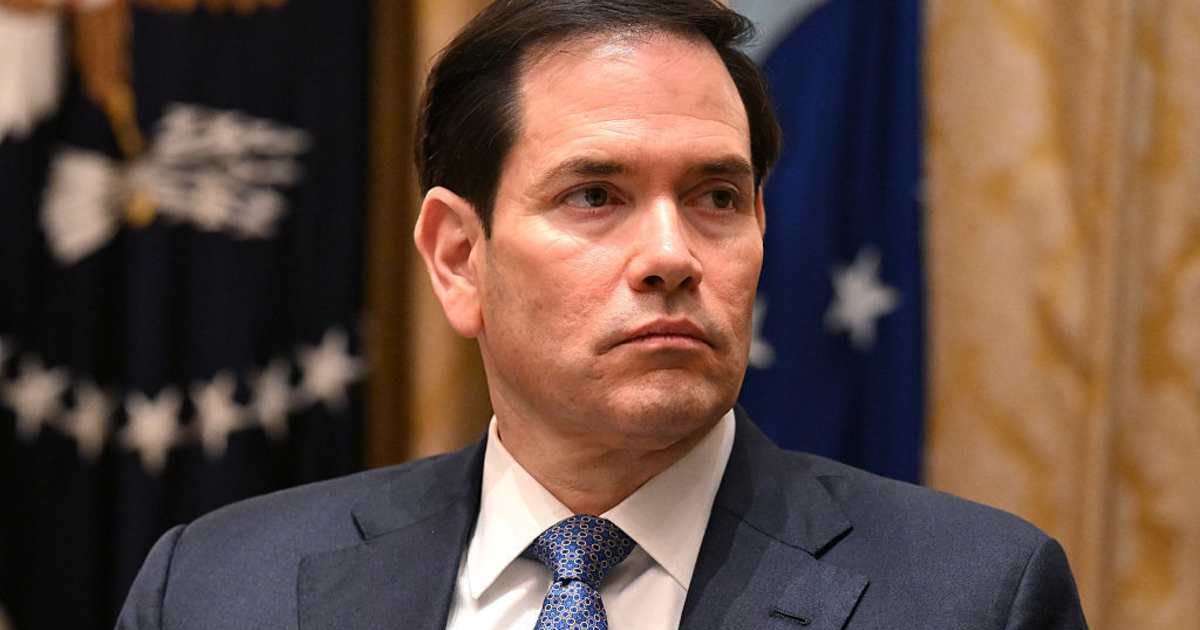
WASHINGTON, DC: Secretary of State Marco Rubio is set to travel to France this week to attend a Group of Seven (G7) foreign ministers meeting, as the Trump administration seeks broader backing for its ongoing military campaign against Iran.
The State Department confirmed Tuesday, March 24, that Rubio will participate in talks near Versailles on Friday, March 27, marking his first major diplomatic engagement since the conflict began on February 28.
The meeting in Cernay-la-Ville comes at a tense moment, with divisions emerging among G7 members over the scope and implications of the US-Israeli military operation.
Global fuel crisis triggers G7 alarm
Officials said Rubio will focus on “shared security concerns” and efforts to align positions on the evolving crisis.
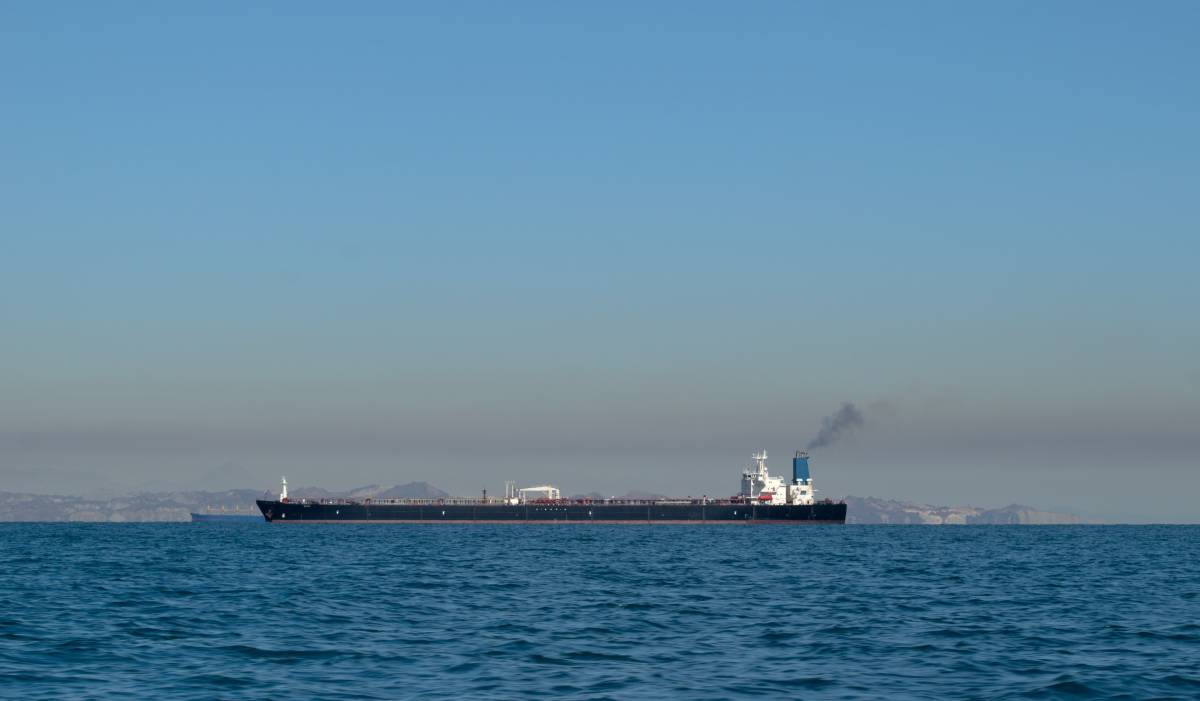
A central issue at the meeting is the disruption to global energy markets following the reduced flow through the Strait of Hormuz.
Oil prices have surged in recent weeks, with Brent crude climbing sharply amid supply constraints.
The International Energy Agency (IEA) has already coordinated a release of strategic reserves to stabilize markets, a move acknowledged by G7 ministers in recent discussions.
US officials are expected to argue that the disruption stems from Iranian actions targeting regional infrastructure and shipping routes.
Several G7 countries, however, have expressed concern over the economic impact of the Iran war and the risk of further escalation in the Middle East.
Questions around international law and the long-term consequences of the conflict are also expected to feature prominently in discussions.
Trump lashes out at 'cool' allies

President Donald Trump has publicly criticized some allies for what he described as limited support for US efforts in the region.
He has called for greater participation in securing the Strait of Hormuz while also maintaining that US forces are capable of acting independently.
The differing approaches have highlighted divisions within the alliance, with some countries signaling caution over deeper military involvement.
At the same time, officials from nations including France and the United Kingdom have indicated support for measures aimed at restoring maritime traffic, while stopping short of endorsing the full scope of operations.
Marco Rubio to seek consensus on security threats
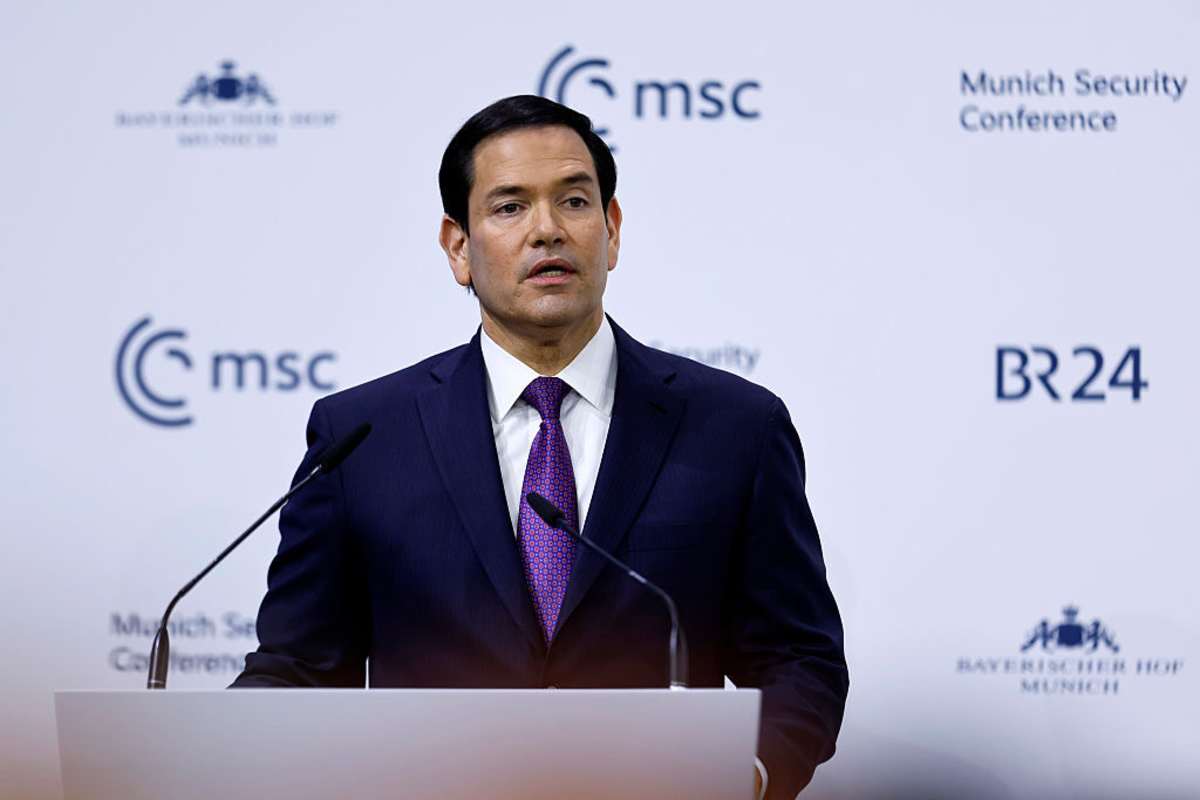
Beyond the immediate conflict, Rubio is expected to raise wider security concerns, including Iran’s regional activities and its reported support for Russia in the Ukraine conflict.
US officials view these issues as part of the case being made for coordinated action among allied nations.
The meeting also comes amid mixed signals from Washington regarding diplomatic engagement with Tehran.
While Trump has recently pointed to possible progress in talks, Iranian officials have denied that negotiations are underway.
Rubio’s challenge at the G7 will be to present a unified US position while addressing concerns from allies who remain divided on how to respond to the conflict and its global implications.