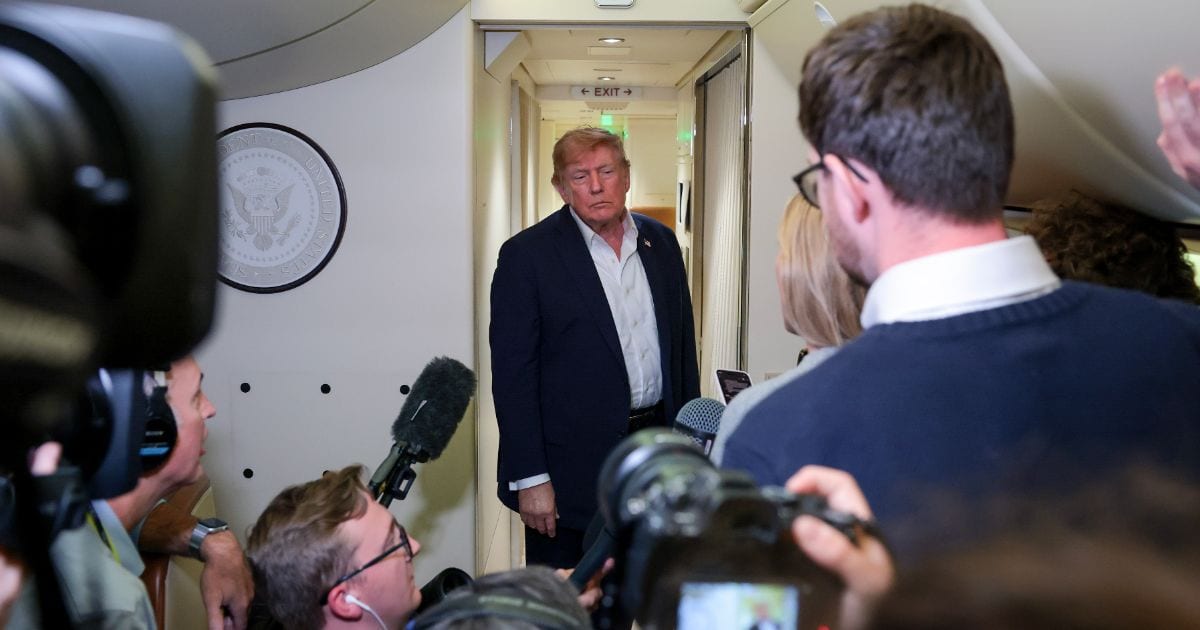
Michael Wolff worked with Epstein to undermine Trump politically, DOJ records show
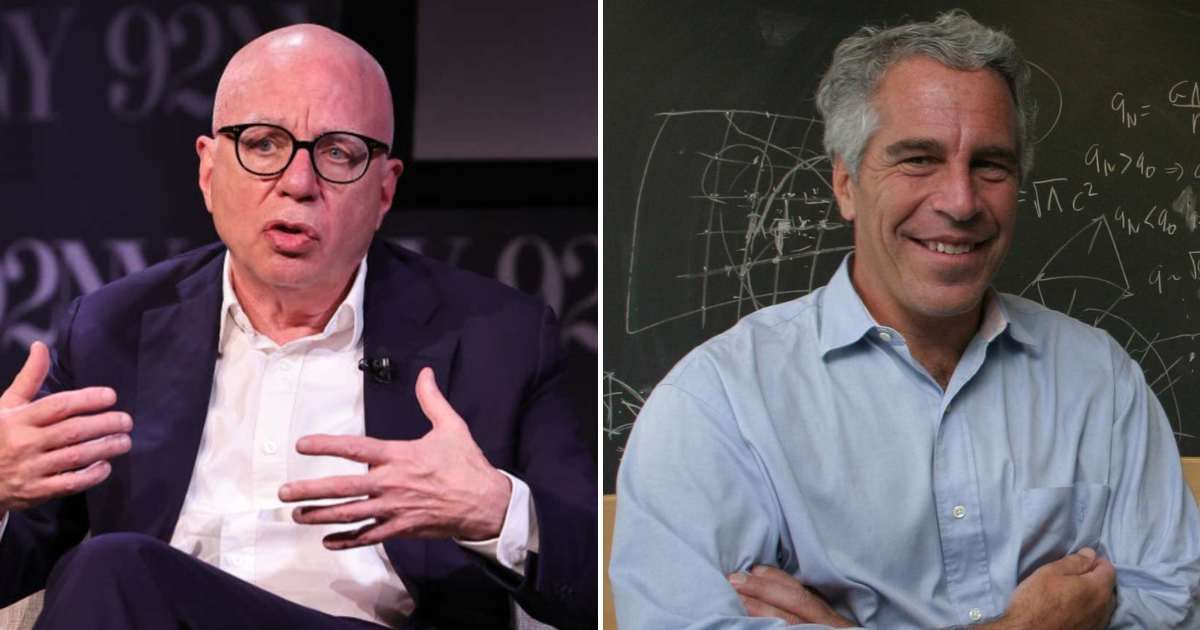
WASHINGTON, DC: Newly released documents from the US Department of Justice have shed fresh light on previously unseen communications between author Michael Wolff and disgraced financier Jeffrey Epstein, revealing detailed political discussions and media strategy aimed at undermining Donald Trump during his rise to power.
The records were made public as part of a 3.5 million-page disclosure under the Epstein Files Transparency Act, signed into law by President Donald Trump, with key emails dating from late 2015 through 2019.
The emails show Wolff not only exchanging political gossip with Epstein, but also advising him on how to position himself publicly, respond to press inquiries, and potentially damage Trump’s presidential ambitions.
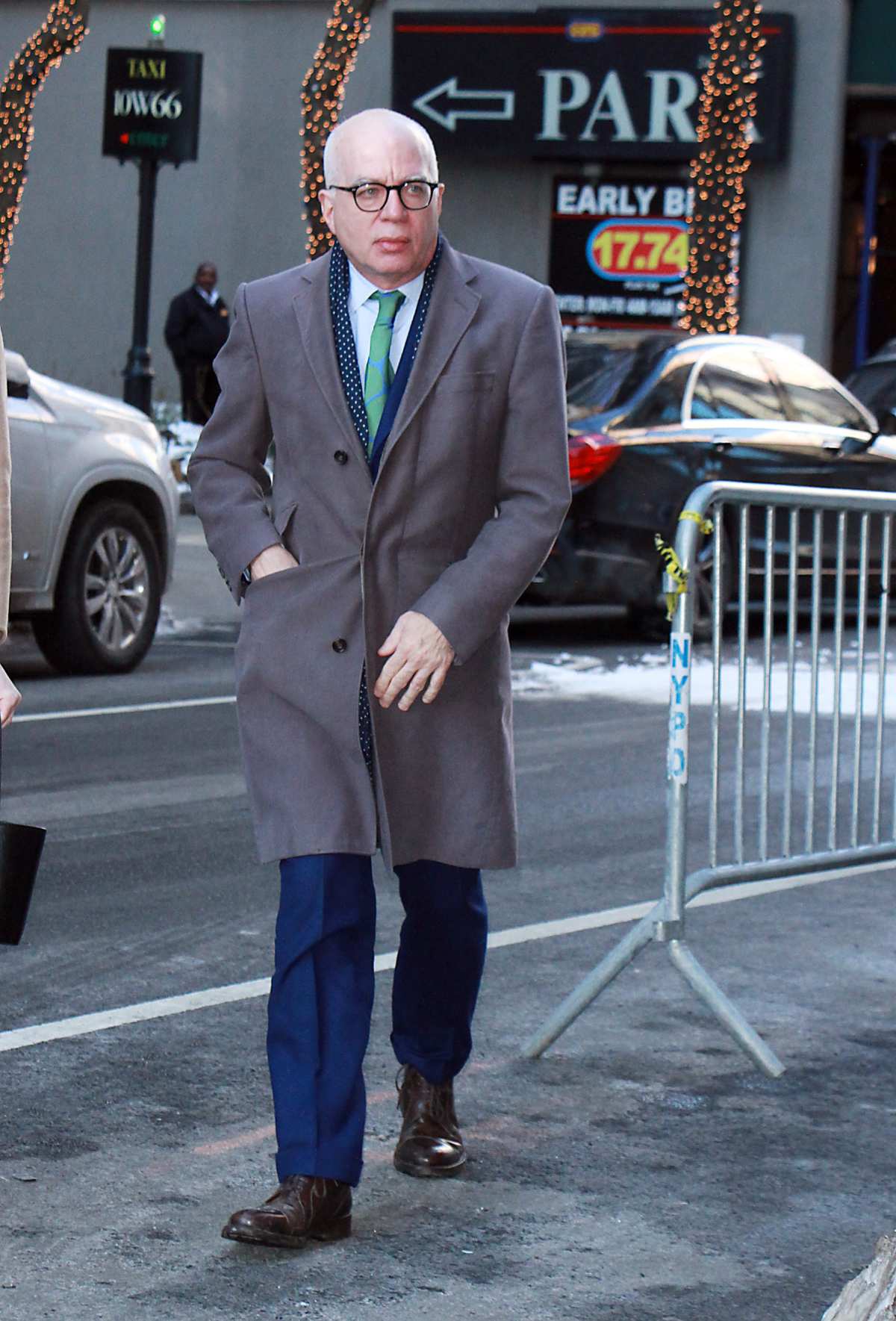
Emails show media planning and political strategy during Trump’s rise
One of the most striking exchanges comes from February 2016, when Wolff warned Epstein that reporters and political operatives were closing in.
“NYT called me about you and Trump. Also, Hillary campaign digging deeply. Again, you should consider preempting,” Wolff wrote.
Epstein replied briefly, “Lots of reporters,” prompting Wolff to respond, “Yeah, you’re the Trump bullet.”
In another exchange from October 2016, Wolff directly suggested that Epstein publicly speak out in a way that could hurt Trump.

“There’s an opportunity to come forward this week and talk about Trump in such a way that could garner you great sympathy and help finish him. Interested?” Wolff asked.
The emails also show Wolff actively workshopping responses with Epstein ahead of Trump appearances. In December 2015, Wolff alerted Epstein that CNN planned to question Trump about his relationship with him.
“I hear CNN planning to ask Trump tonight about his relationship with you,” Wolff wrote, later advising Epstein to let Trump “hang himself” and use any denial as political leverage.
Wolff even suggested Epstein could either hurt Trump or save him, depending on how the election looked, creating what he described as “PR and political currency.”
Michael Wolff encouraged Epstein to become anti-Trump public voice
In a March 2016 email titled “Patterson,” Wolff advised Epstein that he needed an “immediate counter narrative” and argued that Trump offered the perfect opportunity.
“Becoming an anti-Trump voice gives you a certain political cover which you decidedly don’t have now,” Wolff wrote.
He outlined a full media plan, including a television interview, an opinion piece, and social media outreach, and suggested building a group of media allies to support the effort.

In May 2016, Wolff asked Epstein for guidance ahead of a planned interview, writing, “Anything you think I should ask?” Epstein responded with topics he believed could be damaging to Trump, including questions about golf course revenue, debt, and inheritance.
When a Reuters inquiry surfaced in April 2016 about a lawsuit alleging rape involving Trump and Epstein, Wolff responded after seeing the press alert, saying, “Well, I guess if there’s anybody who can wave this away, it’s Donald,” adding, “Let me know if there’s anything I can do.”
Relationship continued through Michael Wolff’s Trump books and beyond
The emails show the relationship did not end after Trump entered office. In February 2017, Wolff told Epstein he was working on a Trump book “for a pile of money” and asked him to help arrange introductions to key figures. Epstein replied that at least one contact had agreed.
As late as 2019, Wolff continued to send Epstein drafts of his work for feedback.
“This is what I’m now going with - what do you think?” Wolff wrote in March 2019, attaching speculative passages about Trump.
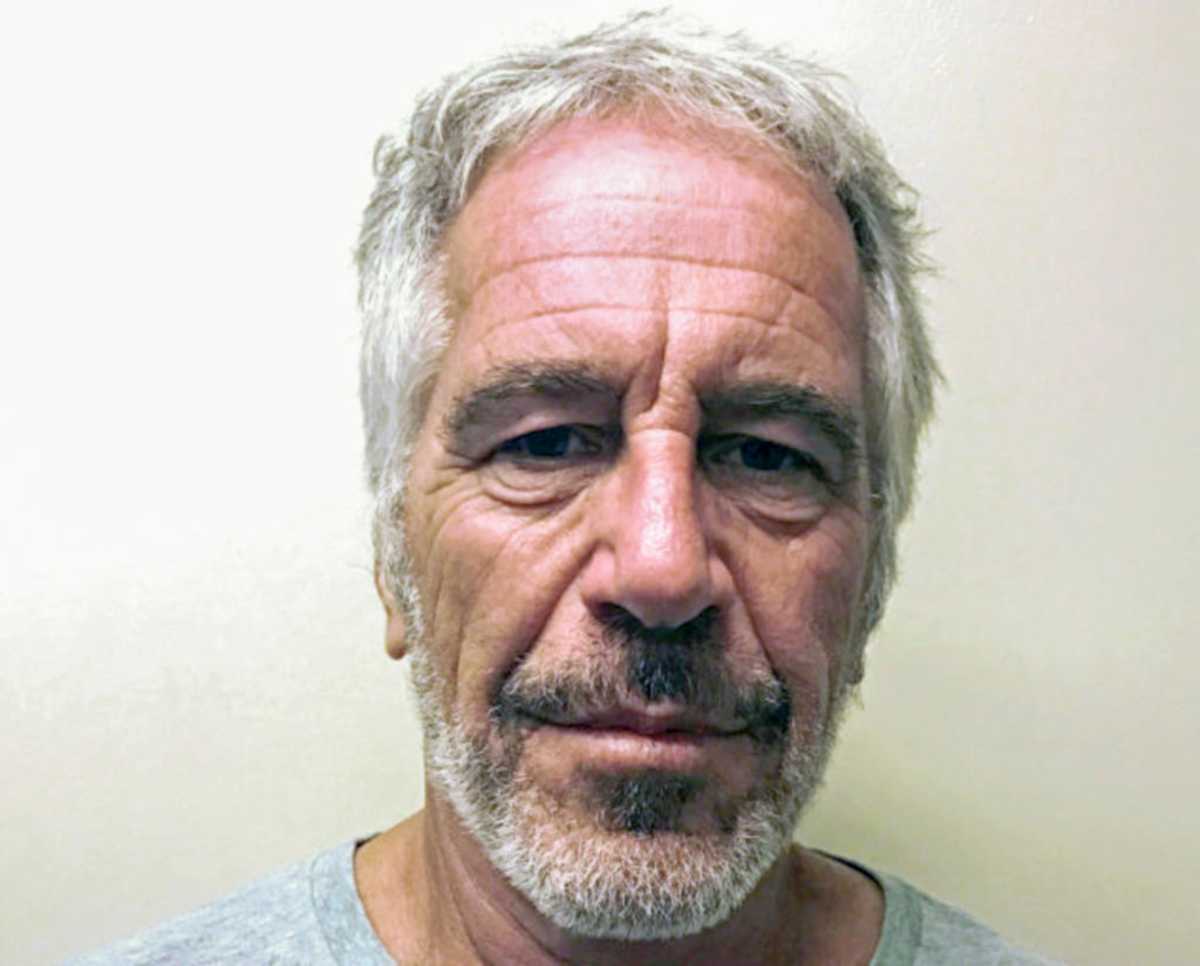
In January 2018, Wolff wrote bluntly, “Trump is going to go down - why doesn’t he use this opportunity to strike out on his own?” He even floated the idea of implying the existence of tapes.
Additional emails show casual coordination, from scheduling meetings to exchanging political gossip. In one 2018 message to Ken Starr, with Epstein copied, Wolff discussed plans for a sequel focused on legal action against Trump. Starr replied warmly, thanking Epstein for the introduction.
Trump has repeatedly denied Wolff’s claims, issuing cease-and-desist letters ahead of Fire and Fury and publicly stating that Wolff was given “zero access” to the White House, calling the book “phony” and “full of lies.”