Minnesota official says federal agents blocked state investigators after fatal Minneapolis shooting
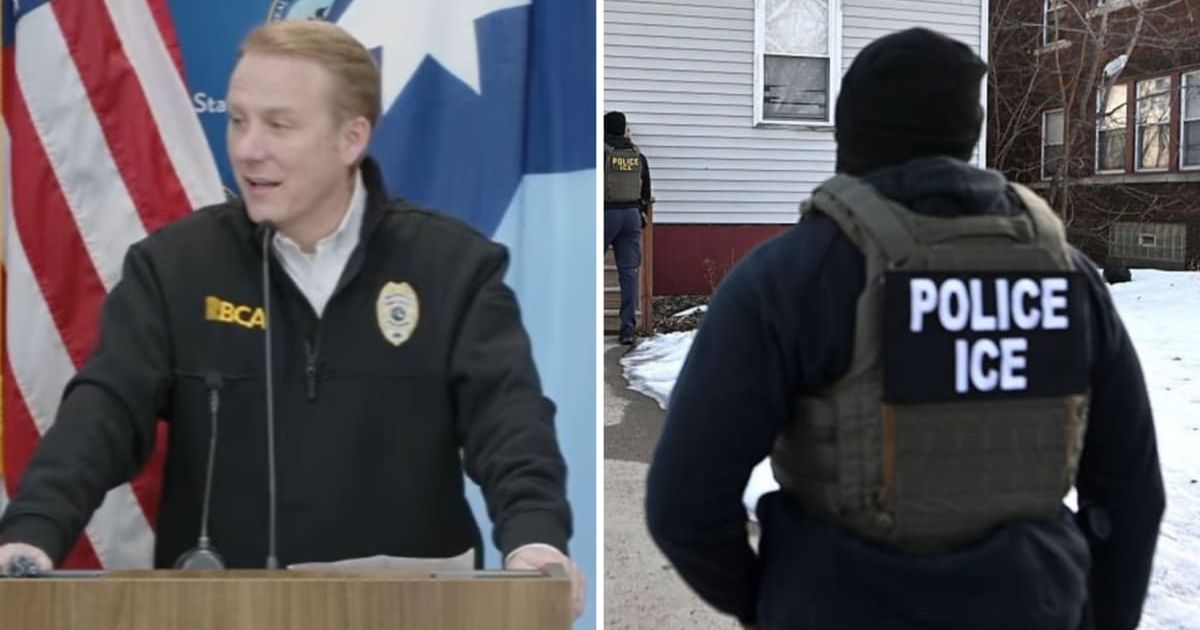
MINNEAPOLIS, MINNESOTA: A senior Minnesota public safety official said state investigators were blocked from examining the scene of a fatal shooting involving federal agents, escalating concerns over transparency and interagency coordination following the incident.
The shooting, which involved Minneapolis resident and intensive care nurse Alex Jeffrey Pretti, has drawn intense scrutiny as federal immigration enforcement operations expand in Minnesota. State officials say the response by federal authorities departed from long-standing investigative practices.
Minnesota Bureau of Criminal Apprehension (BCA) Superintendent Drew Evans said the agency was prevented from carrying out its normal investigative role despite having legal authority to do so.
State investigators say they were blocked from shooting scene
The @MnDPS_BCA says DHS/federal agents blocked their investigators from the scene where a border patrol agent shot & killed Alex Pretti in Minneapolis. Superintendent Drew Evans says they even had a signed warrant, but were still blocked. @fox9 pic.twitter.com/TQdieY7GoR
— Chenue Her (@ChenueHer) January 24, 2026
At a Saturday press conference, Evans said the BCA attempted to begin its own investigation after the FBI departed the scene where Pretti was fatally shot by a federal agent.
According to Evans, BCA agents arrived prepared to secure and examine the area but were unable to proceed.
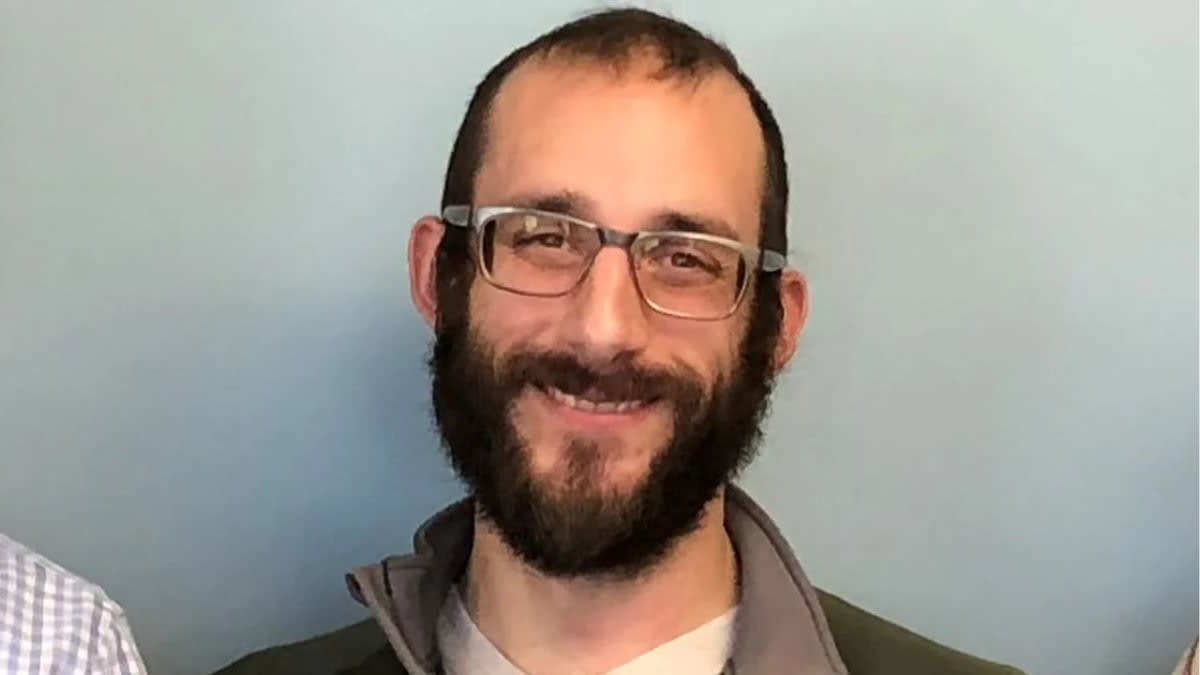
Evans described the situation as unprecedented, saying state agencies like the BCA typically handle most officer-involved shooting investigations nationwide, including cases involving federal officers.
“We’re in uncharted territory,” Evans said.
Officials cite breakdown after FBI departure
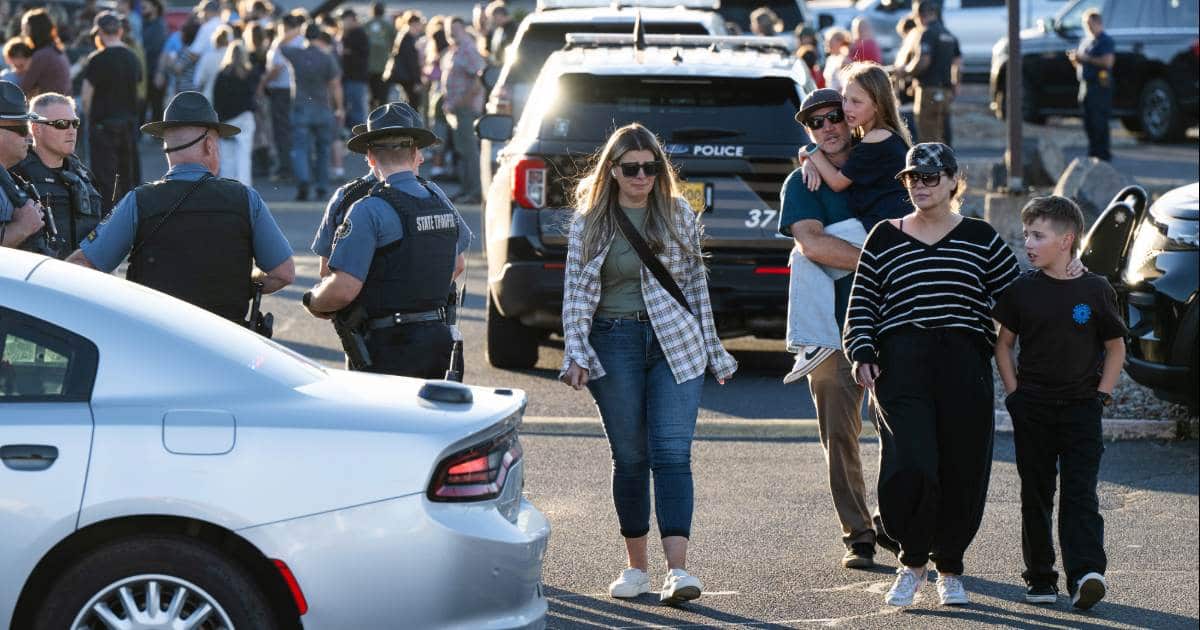
Evans said that once federal agents cleared out on Saturday, BCA personnel attempted to begin processing the scene. However, the situation quickly deteriorated as protesters flooded the area.
Federal, state, and local law enforcement agencies were unable to maintain control, preventing investigators from securing evidence or conducting preliminary examinations.
Evans said state agents were later denied reentry to the scene altogether.
Even after the BCA obtained a signed search warrant, federal authorities refused to allow physical access, he said.
“The warrant was provided to the Department of Homeland Security, and they said this was scene and matter being investigated by the federal government, and they would not allow us physical access,” Evans stated.
Long-standing investigative practice disrupted, Evans says
Evans emphasized that there has been no formal discussion with federal agencies about changing established procedures for investigating officer-involved shootings.
“It’s been a long-standing understanding across the country that agencies like the BCA, which conduct more than 80 percent of these investigations, are asked to do so, even when federal agents are involved,” he said.
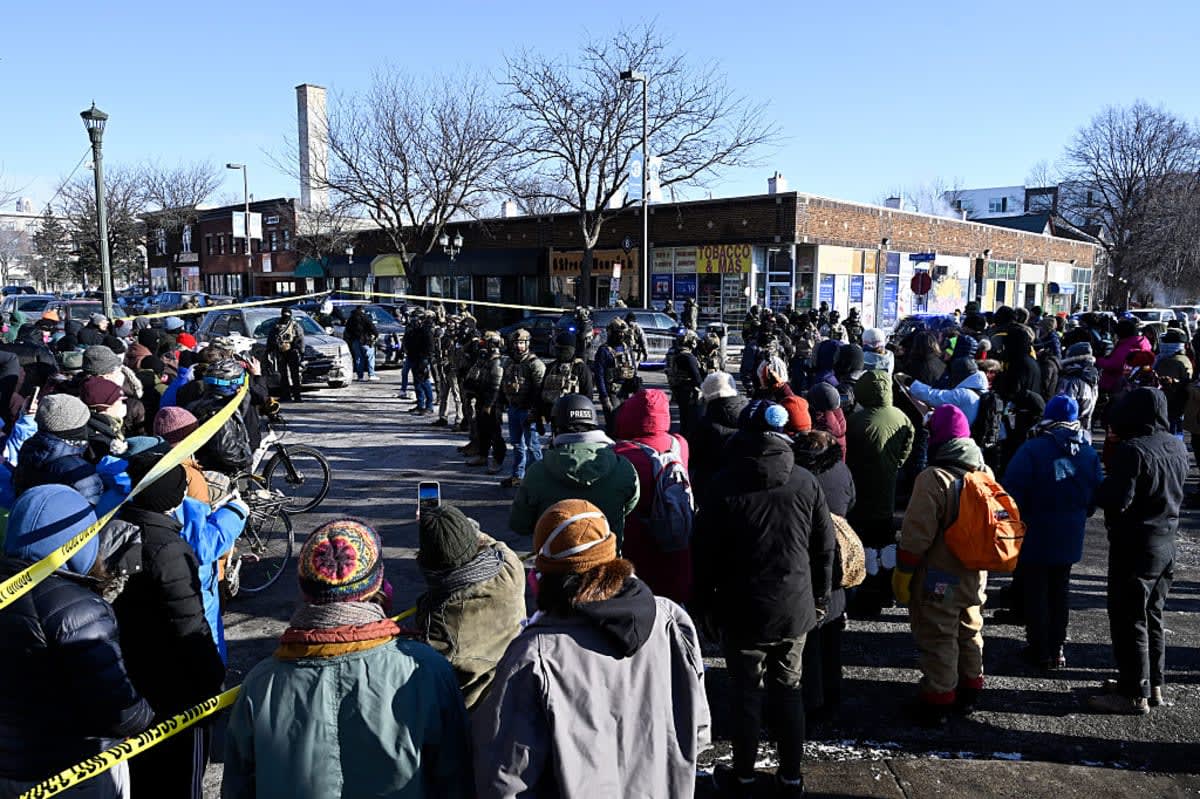
Evans added that “others outside of the state” had blocked cooperation, signaling a shift in how such cases are being handled.
He also referenced a previous case involving Renee Good, in which state and local agencies were similarly excluded from a federal investigation.
Evans urges cooperation and path forward
Despite the dispute, Evans said the BCA remains open to working with DHS and other federal agencies moving forward.
“We need to find a path forward,” he said, calling for de-escalation and collaboration between all levels of law enforcement.
“I look to turn the temperature down so that we aren’t in a position where there is a standoff between local, state, and federal authorities,” Evans added.
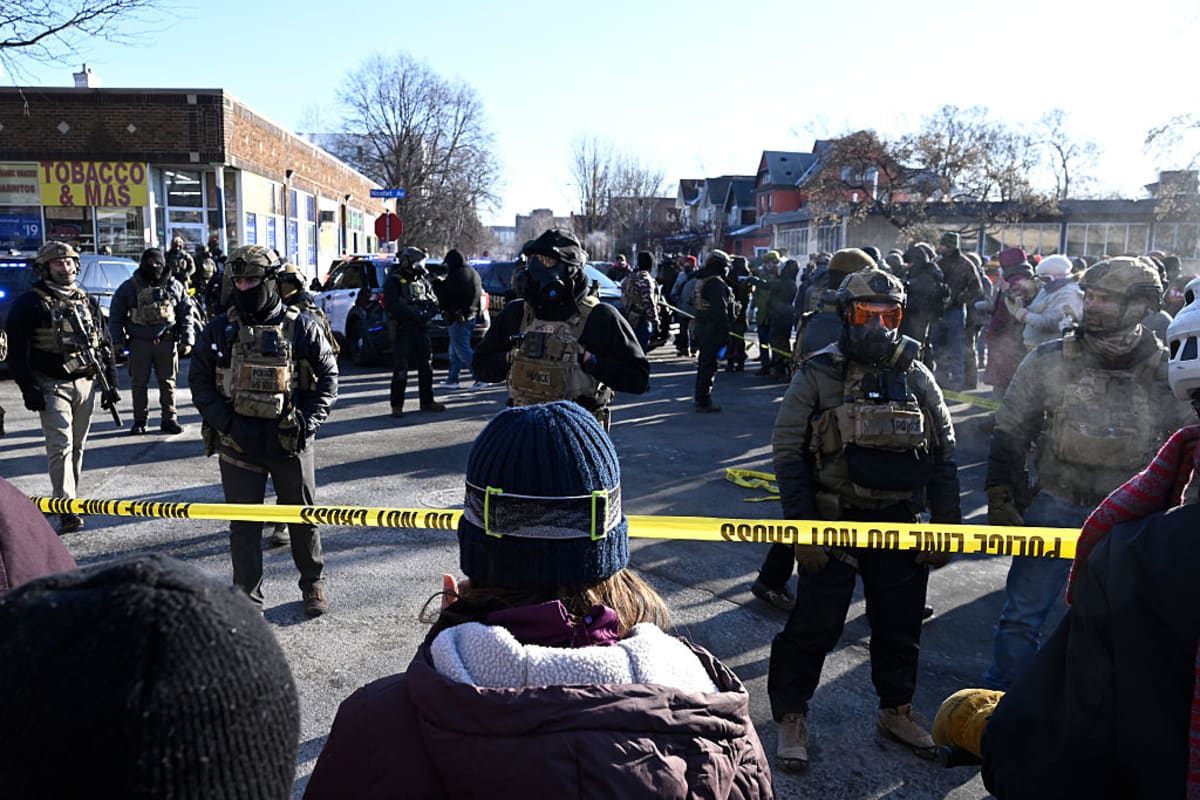
The fatal shooting has intensified debate over federal enforcement operations in Minnesota and added to political pressure in Washington, where lawmakers are weighing DHS funding amid growing criticism of agency oversight.