New activity emerges at Iran’s underground nuclear site, Trump warns not to ‘get cute’
TEHRAN, IRAN: Fresh satellite imagery has revealed new soil around tunnel entrances at Iran’s deeply buried Pickaxe Mountain site near Natanz, adding another development to the growing focus on the nuclear-linked facility.
The findings came as President Donald Trump again warned Iran and Russia and China vetoed a US-backed UN resolution on sanctions monitoring on September 18.
Update on passive defense measures at Pickaxe Mountain: @vantortech imagery from September 11, 2026, shows that the earthen mound roadblocks are still in place, blocking ground vehicle access to the Western tunnel portals. The week-long restricted access reinforces the assessment… pic.twitter.com/mJdgvSfGvf
— Inst for Science (@TheGoodISIS) September 17, 2026
Satellite images show new defenses at Pickaxe Mountain
The Institute for Science and International Security said imagery from September 11 shows earthen roadblocks still blocking roads leading to the western tunnel portals at Pickaxe Mountain.
The institute said the restricted access supports its assessment that the facility is not currently being used for normal operations, while also assessing that valuable equipment or materials could remain inside.
The imagery also showed additional soil placed over one western tunnel portal and a nearby group of entrances first built in 2007. According to the institute, the added earth increases protection around the entrances and could help harden them against aerial attacks.
The development comes a week after Trump warned Iran over activity at the site.
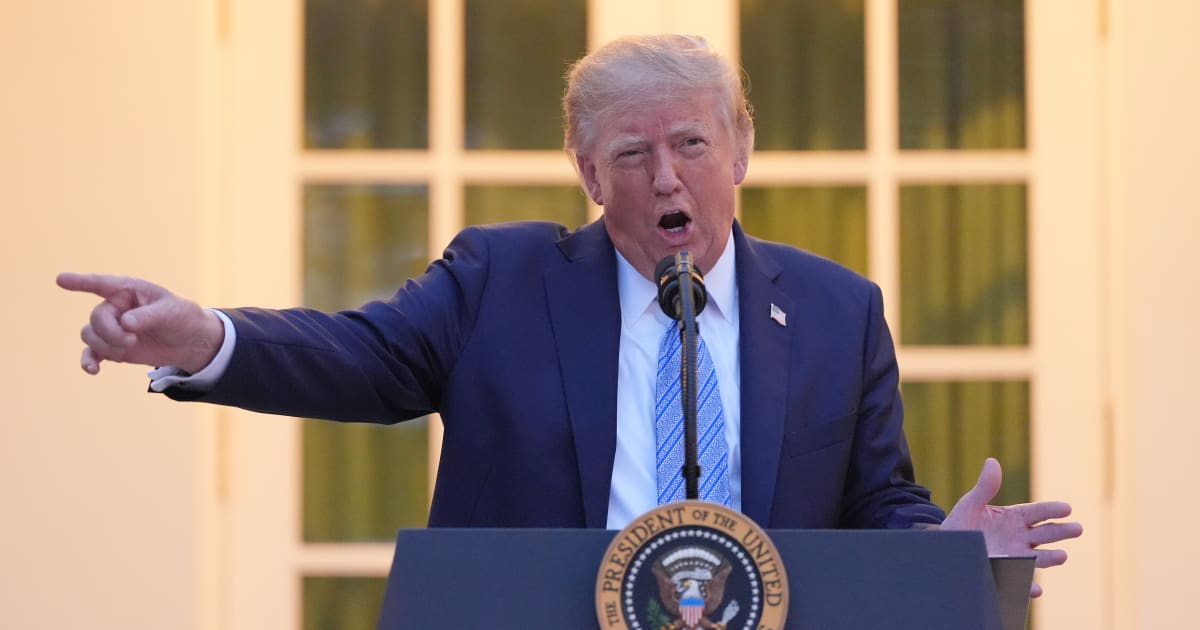
“We notice there’s a little activity at Pickaxe,” Trump told reporters. “I would advise Iran not to get cute because we will have to hit them very hard.”

Donald Trump has repeatedly mentioned the site
Trump has previously said the US is closely watching Pickaxe Mountain. In a July 28 interview with 'Fox & Friends', he said Washington knew “exactly what’s going on” and could “take out Pickaxe” if diplomacy failed.
Pickaxe Mountain is about two kilometers from Natanz and contains multiple entrances leading into an underground complex. Construction began in 2020 after sabotage damaged an advanced centrifuge assembly facility at Natanz.
Iranian officials later said a replacement underground facility was being built for advanced centrifuge production.

Analysts estimate parts of the complex could be buried at least 100 meters underground, while Iran has said there is no nuclear activity at the site.
Behnam Ben Taleblu of the Foundation for Defense of Democracies said some analysts believe the opportunity for a straightforward strike may have passed because the facility is deeply buried.
Taleghan 2 reconstruction adds to Iran nuclear-site scrutiny
The Pickaxe findings came alongside reported reconstruction at Taleghan 2, a sensitive facility at the Parchin military complex southeast of Tehran.
The Institute for Science and International Security said September 13 satellite imagery showed a tarp covering the destroyed facility, while dump trucks, bulldozers, concrete equipment and cranes were active nearby.
The institute also identified new concrete reinforcement that could provide additional protection from aerial attacks.
Taleghan 2 was struck by Israel in October 2024 and again in March 2026.
Russia and China veto US-backed UN resolution
The developments came as Russia and China vetoed a US-drafted Security Council resolution seeking to extend the mandate of the Panel of Experts supporting the 1737 Iran Sanctions Committee until September 2027.
The resolution received 11 votes in favor, while Pakistan and Somalia abstained.
US Ambassador to the UN Mike Waltz said Washington considers the sanctions legally restored and expects countries to enforce them.
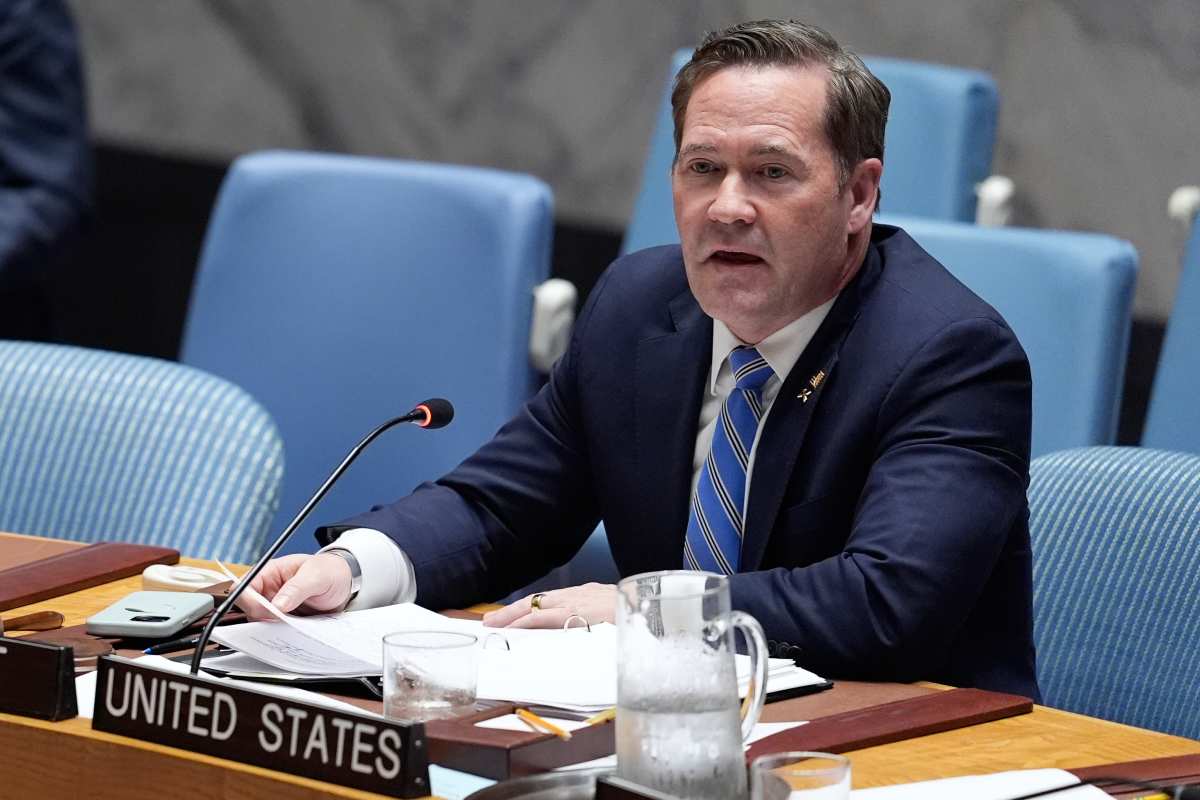
He also said the expert panel remains important because sanctioned companies and individuals can try to evade restrictions by changing names and corporate structures.