New York judge approves release of Jeffrey Epstein’s 2019 grand jury materials

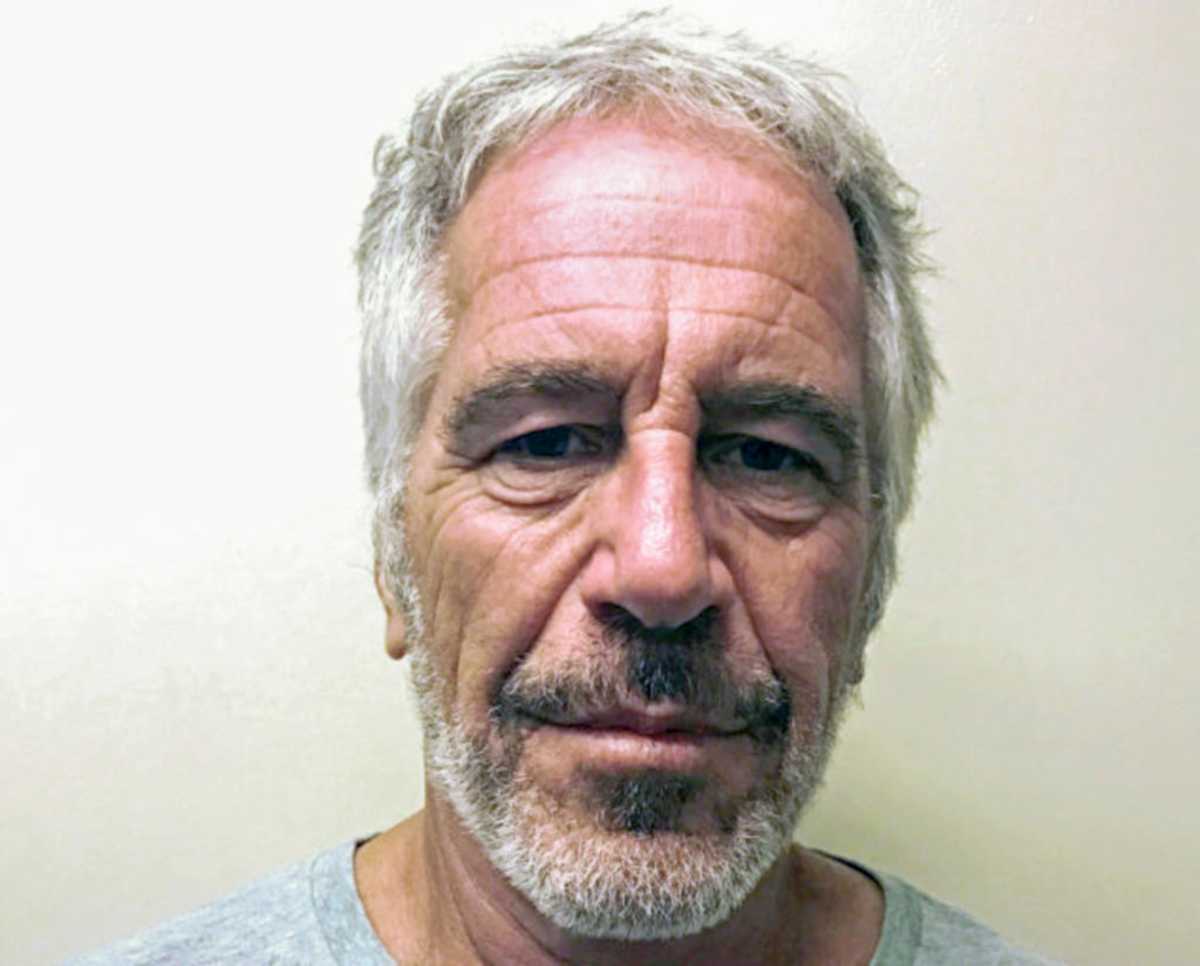
NEW YORK CITY, NEW YORK: A federal judge in New York on Wednesday, December 10, ordered the release of grand jury records from Jeffrey Epstein’s 2019 case, marking one of the most consequential steps yet under the newly enacted Epstein Files Transparency Act.
US District Judge Richard Berman granted the Justice Department’s request to unseal the materials, saying Congress’s instruction to make the files public was unambiguous.
“The statute’s language is clear,” Berman wrote, adding that the Act obligates courts to enforce its provisions unless doing so would lead to an absurd result.
A parallel ruling on Ghislaine Maxwell records
The order came just 24 hours after a separate federal judge directed the release of grand jury records tied to Epstein’s alleged associate Ghislaine Maxwell.
Together, the decisions amount to a sweeping acceleration in the public disclosure of materials tied to the years-long federal investigations into Epstein.

Victims’ privacy takes center stage
In his four-page ruling, Berman underscored that releasing the records does not mean exposing the identities or personal histories of the people involved.
He repeatedly highlighted the law’s requirement that the government protect the privacy, medical information, and personal data of survivors.
Berman also cited letters from victims’ attorneys, who stressed that transparency “CANNOT come at the expense of the privacy, safety, and protection of s***al a**se and s** t*****king victims.”
The judge echoed that sentiment, noting that Congress explicitly outlined categories of information that must be withheld, including medical and mental health records, personal details, and any identifying material that could retraumatize survivors or place them at risk.

Unclear timeline for public release of Epstein files
Although Berman approved the Justice Department’s motion, he did not specify when the documents would be released.
The new law requires the DOJ to publish the records “not later than 30 days” after enactment, which took effect on November 19.
Berman’s decision marks a significant reversal from August, when he rejected a near-identical request from the Justice Department to unseal the same grand jury materials.

At the time, he argued that prosecutors had failed to meet the legal threshold for disclosure and noted that the government already possessed more than 100,000 pages of documents, interviews, and exhibits related to Epstein, far outweighing the roughly 70 pages of grand jury transcripts they sought to access.
In that earlier ruling, Berman also cited concerns over potential “threats to victims’ safety and privacy,” calling them a major factor in his decision. The new federal statute, however, superseded those considerations, compelling the court to release the records while still redacting sensitive material.