Newsom targets 'billionaire tax' as 1M signatures put California wealth on notice

SACRAMENTO, CA: California's political landscape shifted sharply on Sunday, April 26, as the Service Employees International Union–United Healthcare Workers West (SEIU-UHW) announced it had gathered more than 1 million signatures for its proposed “billionaire tax.”
The submission to the California Attorney General is expected to qualify the Healthcare Executive Compensation Act for the November 2026 ballot, setting up a high-stakes statewide vote.

The proposal calls for a one-time 5% tax on California residents with assets exceeding $1 billion. Supporters say the measure is aimed at addressing healthcare funding gaps following recent federal Medicaid cuts.
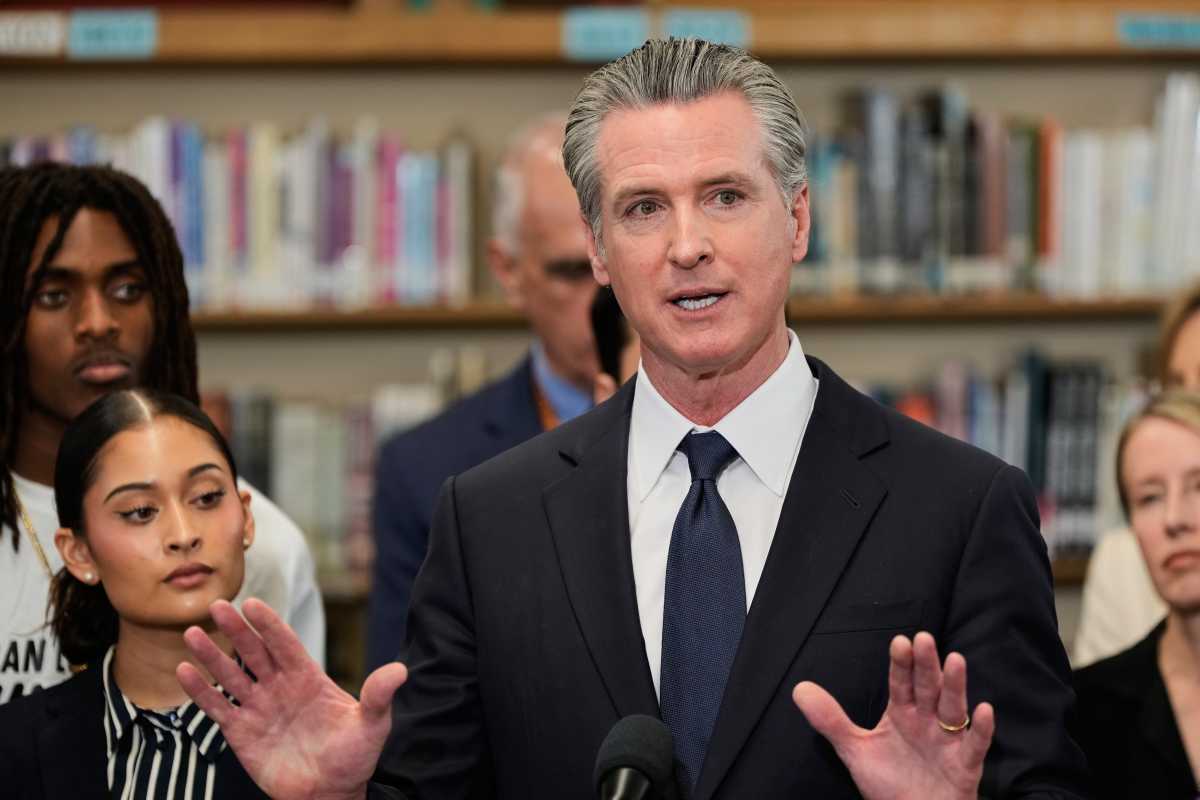
Opponents, including Governor Gavin Newsom, have warned it could have broader economic consequences. “This will be defeated - there’s no question in my mind,” Newsom said earlier this year.
Wealthy residents flee ahead of tax
Reports of high-net-worth individuals relocating outside California have intensified the debate. Figures including Larry Page, Sergey Brin, Peter Thiel, Travis Kalanick, and Steven Spielberg have been cited in discussions around potential tax exposure, though individual reasons for relocation vary.
Critics of the proposal argue that even the prospect of a 5% levy has contributed to movement among wealthy residents, raising concerns about long-term impacts on the state’s tax base.
Some business leaders and investors, including Silicon Valley figure Ron Conway, have backed alternative ballot efforts aimed at limiting or prohibiting taxes on personal assets.
Opponents say the measure could reduce revenue over time if top earners and companies shift operations elsewhere. Supporters dispute that claim, arguing the number of affected individuals is limited and that the measure targets extreme concentrations of wealth.
Bernie Sanders rallies support for healthcare funding

Support for the proposal has drawn national attention. Senator Bernie Sanders has campaigned in California in favor of the initiative, including at a February rally in Los Angeles, where he argued that wealth concentration should be addressed to support public services.
Backers of the measure, including healthcare workers and union members, say the funding would help stabilize healthcare systems affected by federal cuts.
“Every signature represents a patient, a family member, a healthcare worker,” said Zelda Aaron, a social worker in San Bernardino.
SEIU-UHW leaders have framed the initiative as a funding mechanism to redirect resources into patient care and workforce support across the state’s healthcare system.
Conflicting ballot measures create voter confusion

The 2026 ballot could feature multiple competing proposals related to wealth taxation. Under California law, if more than one similar measure passes, the one receiving the highest number of affirmative votes takes effect.
This has led to the introduction of alternative initiatives, including proposals to direct revenues toward education or to restrict new taxes on personal wealth.
Analysts say the presence of multiple measures could complicate voter decisions and lead to legal disputes after the election. Polling suggests a divided electorate, with approximately 50% of voters supporting the billionaire tax, 28% opposed, and 23% undecided.
While some voters favor increased taxation on ultra-wealthy individuals, others have expressed concern about potential economic impacts, including business relocation and broader tax implications.
With signature qualification effectively secured, the measure is now set to become one of the most closely watched and contested ballot initiatives in California’s 2026 election cycle.