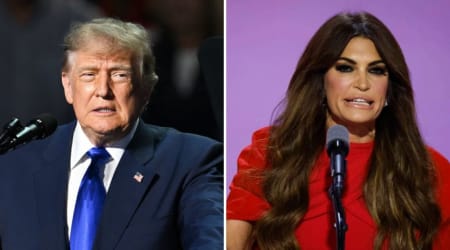
Trump ditches $10B IRS lawsuit as White House eyes multibillion-dollar compensation fund
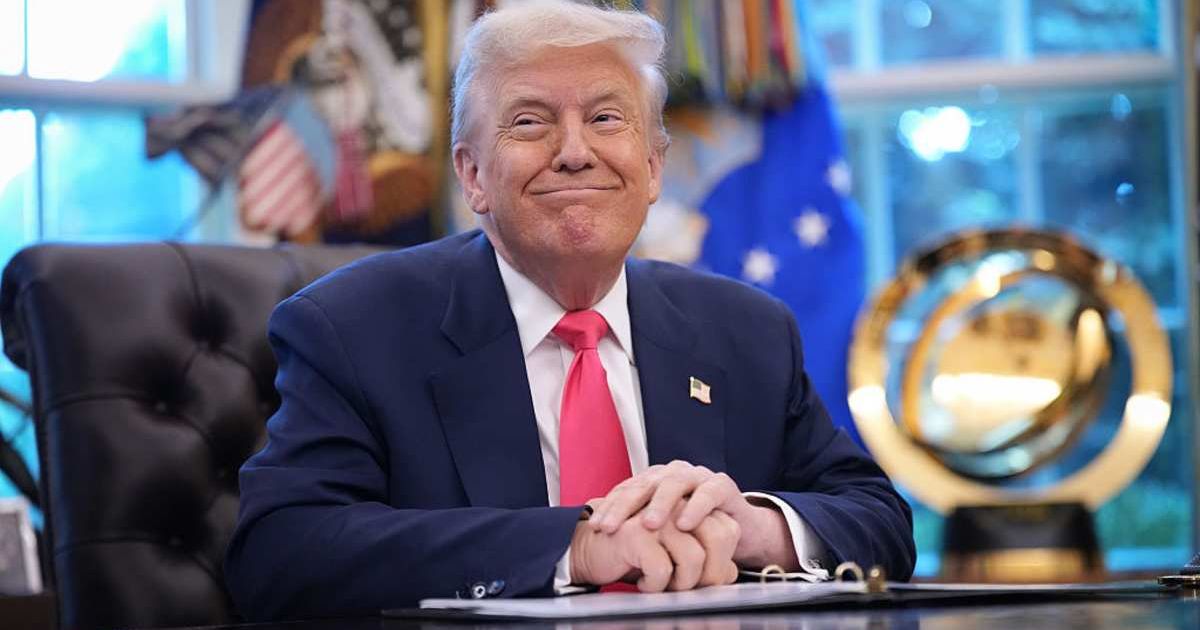
FLORIDA, MIAMI: In an extraordinary legal maneuver that fundamentally blurs the boundaries of executive power, President Donald J Trump, his two eldest sons, and the Trump Organization have voluntarily dismissed their massive $10 billion lawsuit against the Internal Revenue Service and the Treasury Department.
The formal notice of dismissal was submitted early Monday, May 18, in a Miami federal court, bringing an abrupt end to an unprecedented litigation campaign where a sitting president demanded multi-billion dollar damages from the very federal agencies he currently oversees.
The litigation originally stemmed from a high-profile security breach during Trump's first term in office, when a rogue federal contractor successfully stole and leaked his confidential, private tax returns to The New York Times and ProPublica.
While that contractor subsequently pleaded guilty to federal crimes and was sentenced to prison, the president utilized the civil justice system to seek a historic $10 billion financial penalty from the government.
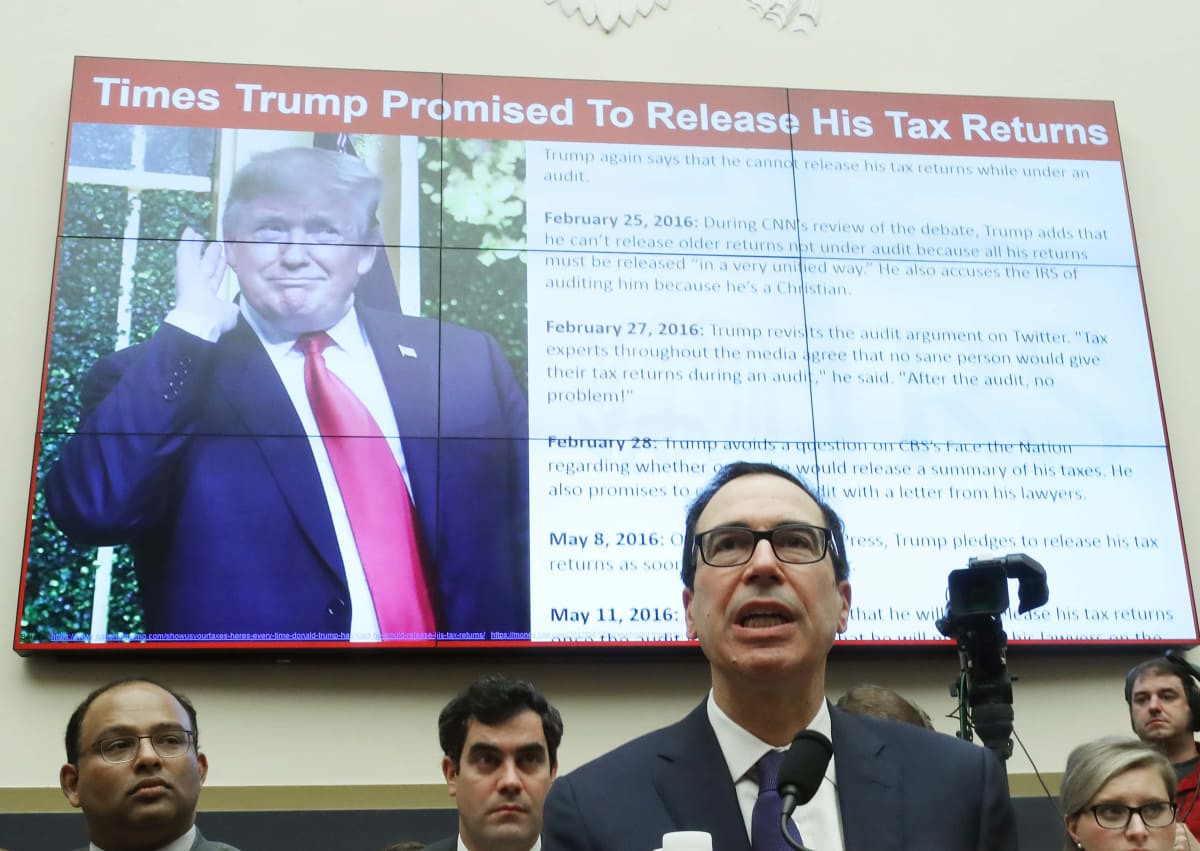
Monday’s dramatic withdrawal was filed with prejudice, a binding legal designation that means the president and his corporate entities are permanently foreclosed from ever refiling the case in federal court.
Permanent dismissal advances controversial payout framework
The sudden decision to entirely abandon the $10 billion claim comes amid widespread reports that the administration has finished negotiating an alternative, multi-billion-dollar administrative resolution.
Multiple major news outlets have reported that Trump chose to drop the litigation to clear a path for launching a highly controversial $1.776 billion taxpayer-funded compensation fund.

The nearly $1.8 billion fund is explicitly designed to provide financial restitution to individuals who claim they were systematically and wrongfully targeted by the preceding Biden administration.
The structure of this upcoming compensation pool has already ignited a fierce political firestorm across Washington. According to internal sources, the fund would be utilized to pay out substantial monetary damages to a wide network of the president's political allies.
Most notably, the eligibility criteria are expected to encompass individuals who faced federal prosecution in connection with the January 6, 2021, Capitol insurrection, a move critics argue turns public tax revenue into a private political asset.

Unusual individual litigation collides with executive oversight
Legal scholars have noted that the voluntary dismissal effectively short-circuits a mounting constitutional crisis regarding the adversity of the lawsuit.
By acting as the primary plaintiff in a multi-billion-dollar suit while simultaneously appointing the leadership of the defendant agencies, the IRS and the Treasury Department, Trump had created a scenario where he was effectively suing himself.
Court watchdogs had repeatedly raised questions about the validity of a trial where the plaintiff commands the defense strategy.
By shifting the resolution away from a formal judicial verdict and into a standalone, executive-directed compensation fund, the administration appears to be bypassing the need for traditional courtroom approval.
Opposition lawmakers have slammed the $1.776 billion initiative as a partisan tool designed to reward loyalists under the guise of civil compensation.
However, with the individual lawsuit now permanently scrubbed from the Miami federal docket, the administration is poised to fully pivot toward establishing the infrastructure for the multi-billion dollar "weaponization" fund in the coming weeks.