NY judge tosses key backpack evidence against Luigi Mangione in UnitedHealthcare CEO murder trial
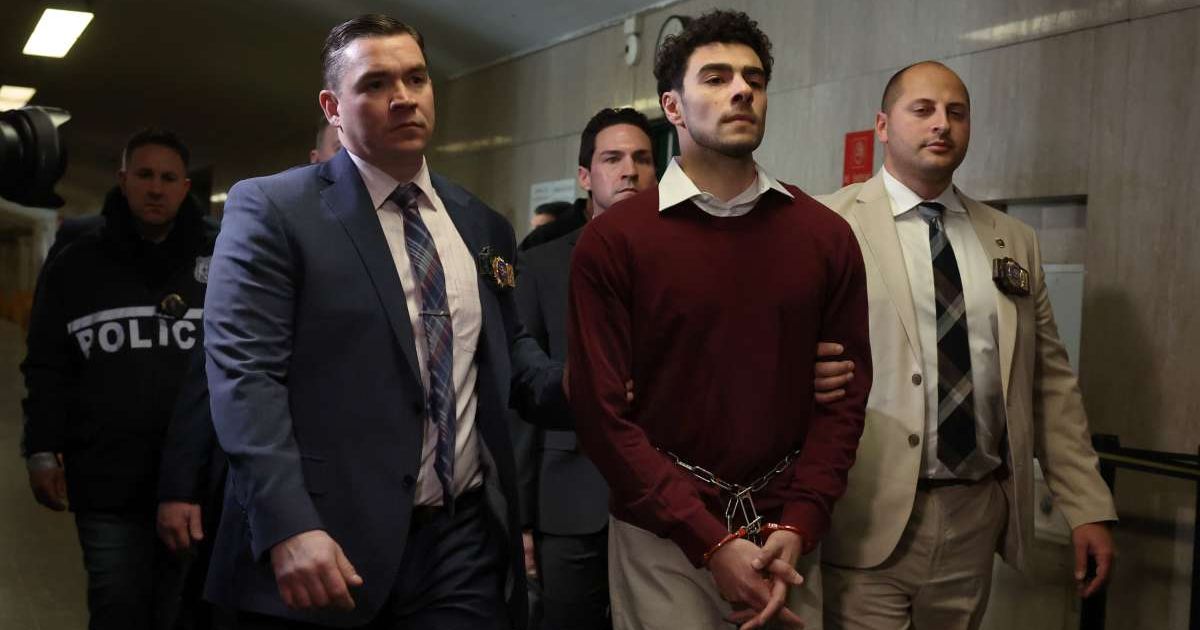
NEW YORK CITY, NEW YORK: In a stunning pre-trial setback for law enforcement, a Manhattan Supreme Court judge on Monday, May 18, dealt a severe blow to the prosecution’s case against Luigi Mangione, the 28-year-old computer science graduate accused of executing UnitedHealthcare CEO Brian Thompson.
Following months of intense evidentiary scrutiny, Justice Gregory Carro ruled that crucial physical and digital items recovered from the suspect's backpack during his high-profile arrest in Pennsylvania are legally inadmissible due to a flawed police search.
The landmark murder case stems from the December 2024 assassination of the 50-year-old Thompson on a crowded midtown Manhattan street.
The insurance executive was gunned down on a sidewalk while heading into a high-level corporate investors' event for UnitedHealthcare's parent company, UnitedHealth Group, sparking a massive five-day national manhunt.

Mangione was eventually captured while eating breakfast inside an Altoona, Pennsylvania McDonald's after an eagle-eyed patron recognized his face.
However, the legal mechanics of that rapid fast-food detention have now upended the state’s evidentiary repository, forcing a major exclusion of key investigative assets months before the trial's scheduled September 8 start date.
Warrantless fast food search ruled illegal
Justice Carro ruled explicitly that Altoona police officers carried out an unconstitutional, warrantless search of Mangione's bag inside the restaurant.
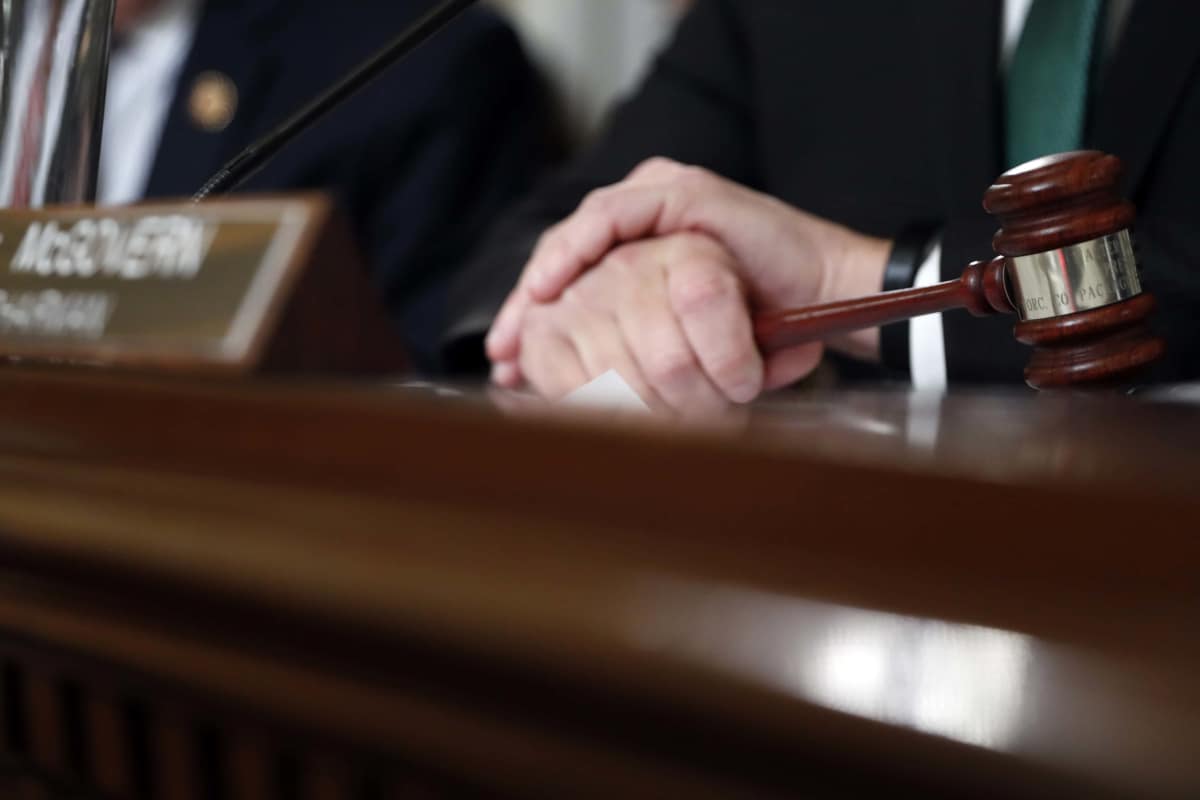
Defense attorneys had fiercely argued that the backpack was completely out of the defendant's physical reach and control when local authorities cuffed and detained him, meaning officers had no legal right to dig into the container without first securing a formal search warrant from a magistrate.
Carro agreed with the defense's motion, stating that the emergency exceptions cited by the state did not apply to the scene.
"The evidence found during the search of the backpack at the McDonald’s must be suppressed, including the magazine, cellphone, passport, wallet and computer chip," the judge wrote in his decisive ruling.
WATCH: Luigi Mangione walks into court before a judge rules that the suspected murder weapon will be admissible at his New York Trial, but threw out other evidenced seized from his backpack at a McDonalds in Pennsylvania where he was arrested. pic.twitter.com/aOvAuikWuD
— Fox News US (@FoxUSNews) May 18, 2026
The decision completely strips the Manhattan District Attorney's office of its ability to present Mangione’s personal electronics, communication records, and travel documents to a state jury.
Police station inventory records remain admissible
While the immediate fast-food search was declared invalid, the prosecution managed to escape total catastrophe. Justice Carro ruled that any evidence formally documented during a subsequent inventory search at the Altoona police headquarters remains legally clean.
Because law enforcement has an administrative right to inventory a suspect's belongings upon booking, items processed at the station house are safe from suppression.
🚨BREAKING: The judge in Luigi Mangione's state trial rules that some evidence found in his backpack at the time of arrest will be excluded from the trial.
— America's Newsroom (@AmericaNewsroom) May 18, 2026
However, other key items like alleged murder weapon and Mangione's journal will be allowed as evidence. pic.twitter.com/u5tGgRD4Dh
Most notably, this exception protects a handwritten journal discovered inside the pack, which prosecutors have repeatedly characterized as a calculated manifesto detailing the planning of the executive's killing.
While the digital devices and a Glock ammunition magazine have been permanently barred from the courtroom, the survival of the diary and the weapon itself ensures that state prosecutors still maintain a viable, though significantly narrowed, path toward a second-degree murder conviction.