Nobel physicist links Iran war to rising nuclear threat, warns humanity could end within 35 years
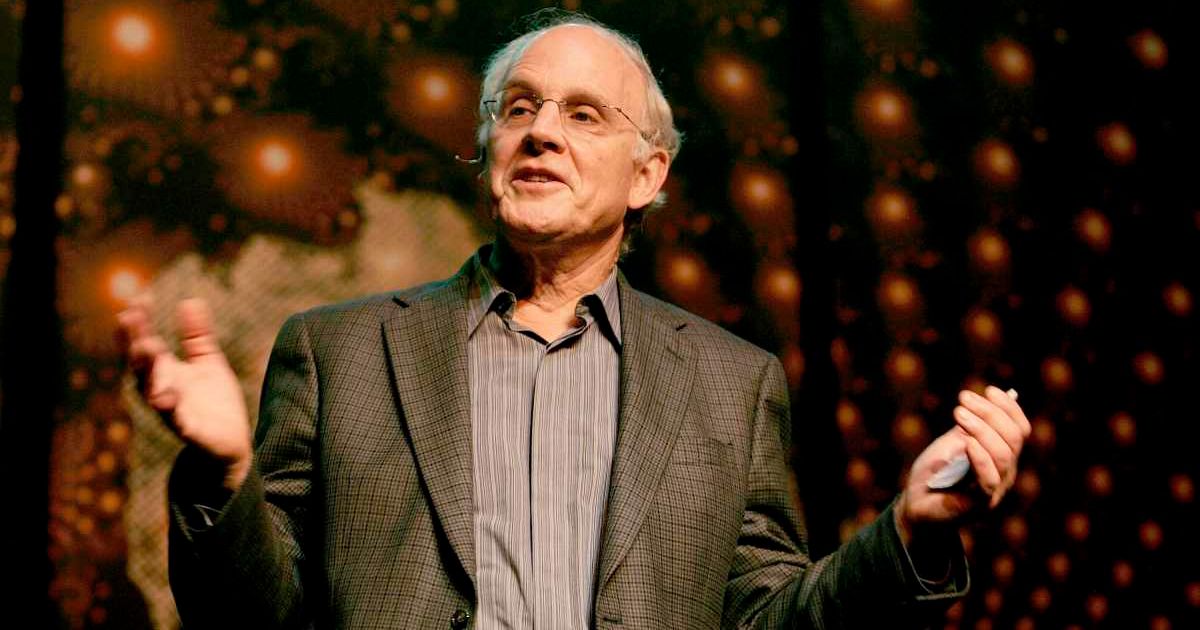
SANTA BARBARA, CALIFORNIA: In a chilling warning, a 2004 Nobel Prize winner Physicist predicted an existential catastrophe for humanity within the next 35-years.
Dr David Gross, who won the 2004 Nobel Prize in Physics, warned that humanity might face its destruction in roughly 35-years due to the danger of nuclear war.
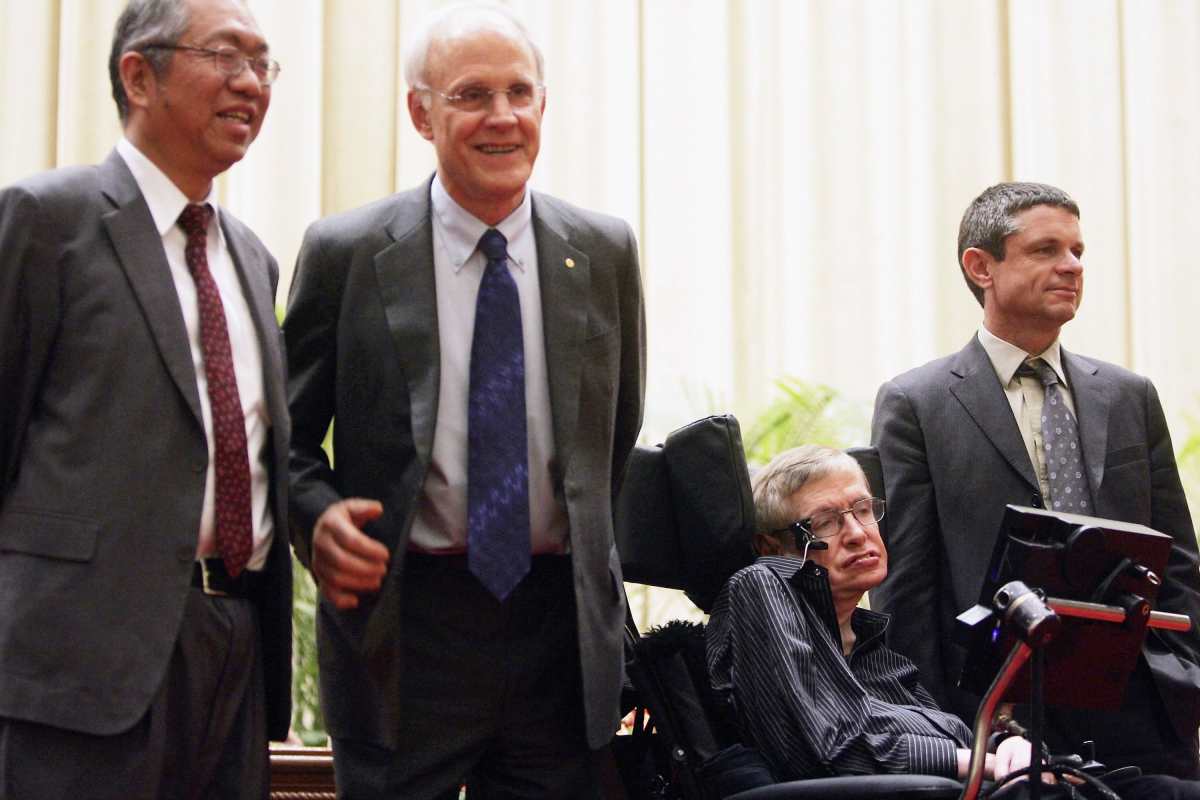
David Gross argues nuclear war might end humanity
"Even after the Cold War ended, when we had strategic arms control treaties, all of which have disappeared, there were estimates that there was a one per cent chance of nuclear war every year," he told Live Science, suggesting that mankind might have only around 3 decades left on earth.
"I feel it's not a rigorous estimate that the chances are more likely two per cent. So that's a one-in-50 chance every year. The expected lifetime, in the case of two per cent per year, is about 35 years," he said.
To come up with the prediction, the scientist calculated similar equations used to estimate the half-life of radioactive materials. The calculation mirrors the probability of the occurrence of any event model.

David Gross claims things have gotten worse
Gross said people would have observed that things have gotten worse in the last 30 years, as every time one reads a newspaper, the probability of nuclear war appears to have increased.
He pointed towards renewed nuclear threats, the war in Europe, escalating tensions involving Iran, and recent near-war conditions between India and Pakistan.
Gross also pointed out that there have been no major nuclear treaties in the last 10 years, which speaks volumes about world leaders’ intentions regarding nuclear usage.
"There are now nine nuclear powers. Even three is infinitely more complicated than two," he said.
The last surviving US-Russia nuclear treaty expired on February 5, 2026.
David Gross won Nobel Prize for discovering asymptotic freedom
David Gross won the Nobel Prize for discovering asymptotic freedom—the idea that the force holding tiny particles inside atoms becomes weaker when those particles move closer together, and stronger when they move apart, like a rubber band that tightens when stretched.
Despite the risks, Gross said history shows that public awareness and scientific warnings can drive change, citing the global response to climate change as an example.
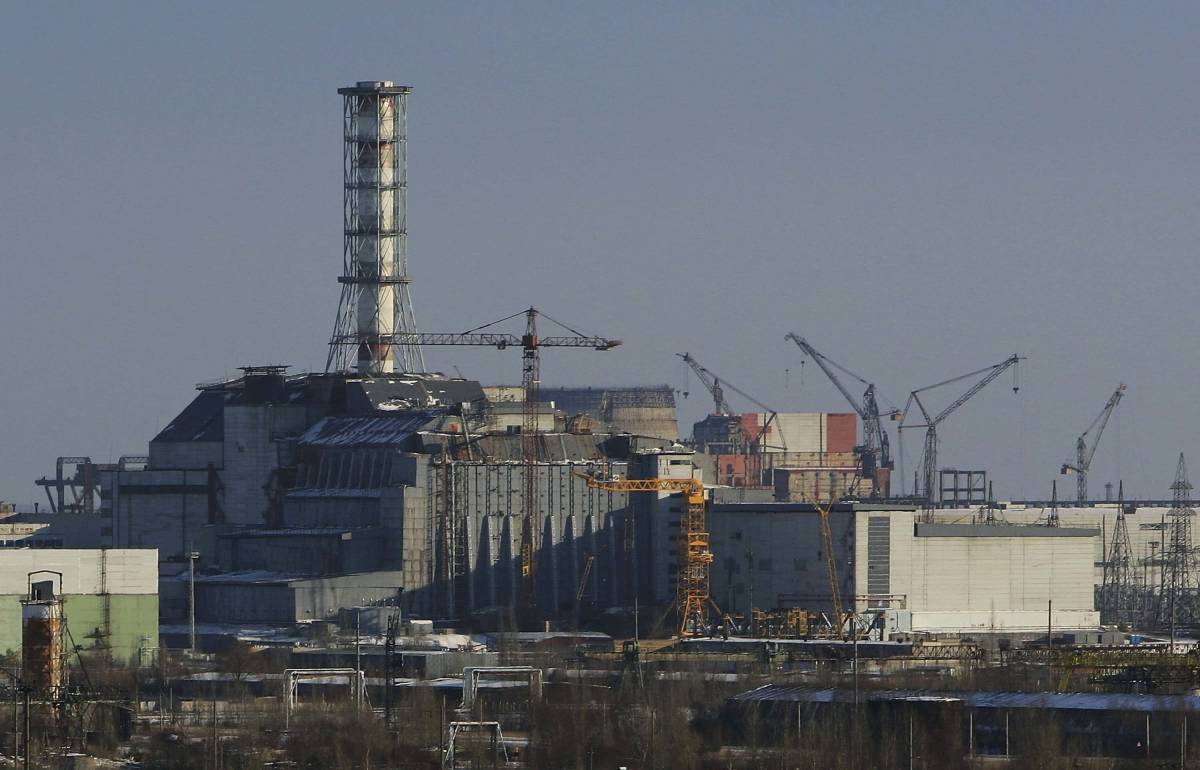
"We made them; we can stop them," he said, referring to nuclear weapons.