Ex-Prince Andrew could face 'life imprisonment' if convicted of misconduct in public office: Experts
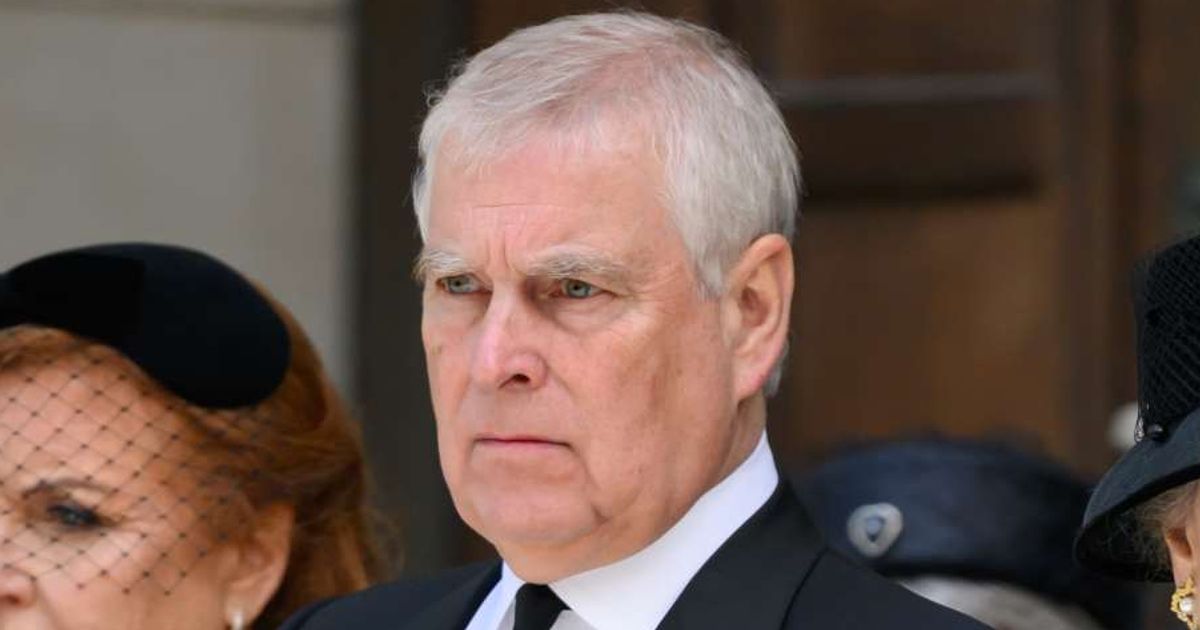
LONDON, UK: Andrew Mountbatten-Windsor, formerly Prince Andrew, could face life in prison if convicted, after he was arrested on Thursday, February 19, on suspicion of misconduct in public office, experts warn. Police searched his homes in Berkshire and Norfolk, though they did not name him in their official statement.
The arrest follows years of scrutiny over his ties to Jeffrey Epstein, which led him to step back from public duties and prompted the King to revoke his royal titles and honors in October 2025.
Expert says misconduct in public office is a serious common law offense

George Kampanella, Partner and Head of Business Crime & Regulatory at Taylor Rose, told PEOPLE, "In England and Wales, police can generally detain someone for 24 hours without charge. That period can be extended to 36 hours with senior approval and up to 96 hours in serious cases with authorization from magistrates. The clock is running, but it’s a legal process, not a political one."
Kampanella said, "Misconduct in public office is a serious common law offense." He added, "In theory, it carries a maximum sentence of life imprisonment. In practice, however, life sentences are rare and typically reserved for the most extreme abuses of public trust.”
Convictions for this offense have been uncommon among senior officials. A 2014 study by Spotlight on Corruption found that only 2% of 191 known convictions involved senior political or executive figures. Most convictions, 92%, involved junior or mid-level police officers and prison staff.
However, courts have convicted some officials. Nathan Gill, a former Welsh political figure, went to prison for taking bribes from Russia. Kerri Pegg, a prison governor, also received a jail sentence for having an inappropriate relationship with an inmate, legal experts said.
Expert reveals what police can do with ex-Prince Andrew in custody

Dr Tom Frost, Senior lecturer at Loughborough University, said he has not been charged with or convicted of any crime. While in custody, police can question Andrew under caution, which means they must tell him his legal rights. Officers can also search his properties for evidence. In most cases, police can hold someone for up to 24 hours without filing charges.
If prosecutors charge Andrew with misconduct in public office, an old common law crime, he would face a jury trial in a Crown Court. Prosecutors would have to prove four things: that he was a public official, that he deliberately failed to carry out his duties, that his actions seriously abused the public’s trust, and that he had no good reason for what he did.
Frost said Andrew clearly worked as a public official when he served as a trade envoy, but proving the other points may be harder. He explained that “abuse of public trust” sets a high legal standard and is not clearly defined.
Misconduct alone is not enough. A jury must decide that the behavior was serious enough to count as a true betrayal of public trust. Acting “without lawful excuse” simply means the person behaved wrongly and had no valid legal reason for their actions.