Savannah Guthrie’s ‘no-conditions’ ransom offer puts pressure on abductors, experts say
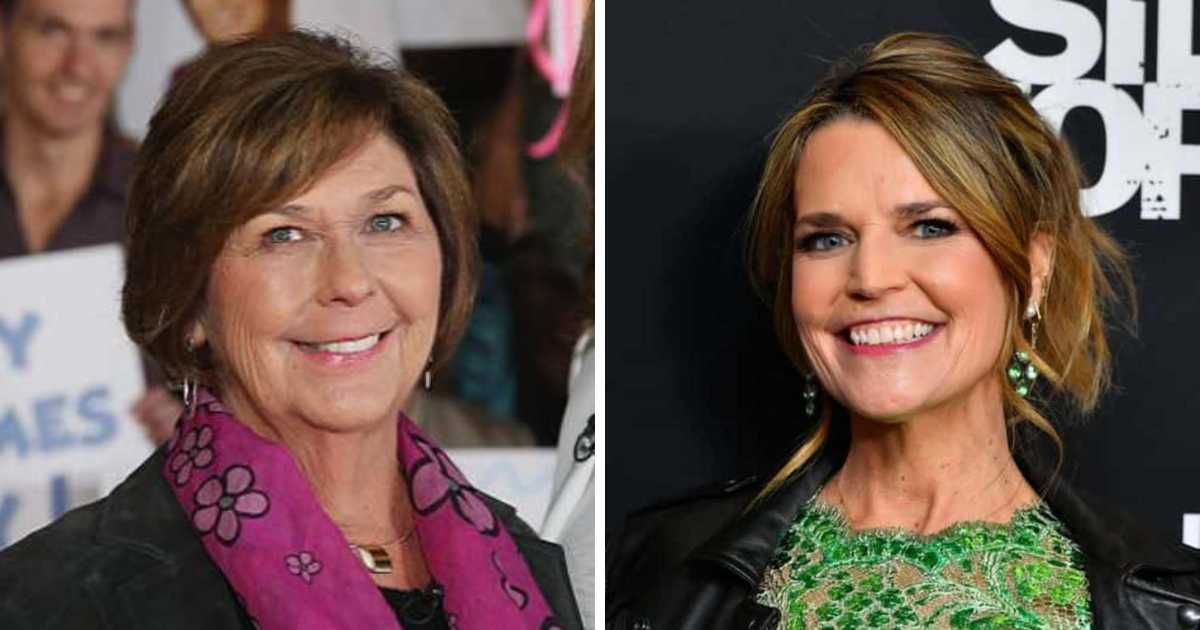
TUCSON, ARIZONA: Savannah Guthrie and her siblings released a video on Saturday, February 7, offering to pay a ransom for the safe return of their mother, Nancy Guthrie, a move experts described as a “clear, unconditional signal” aimed directly at her abductors.
The family’s emotional appeal appears to respond to communications believed to have come from the abductors, marking a departure from typical law enforcement negotiation protocol. Experts and investigators are closely monitoring the situation as the case develops, with Nancy’s condition and whereabouts still unknown.
Expert analysis on Savannah Guthrie’s ransom offer
Retired FBI agent Jason Pack told The Post that the Guthrie family’s video message removes ambiguity by plainly stating their willingness to pay a ransom with “no conditions, no fine print, no lawyers talking in circles.”
He said the phrasing, which is simple, direct, and emotionally driven, shifts the pressure onto whoever has Nancy’s whereabouts and underscores the family’s desire for her safe return alive and unharmed.
Pack pointed out that the inclusion of language like “celebrate” signals they are not seeking revenge, but simply want their mother back.

Pack said that by publicly agreeing to pay, the family appears to be answering a reported deadline set by those on the other end of the situation, “The family has answered. They said yes,” he said.
He continued, “So now either this thing moves forward or it doesn’t, and if it doesn’t, it won’t be because the Guthrie's didn’t hold up their end.”
Former CIA agent Tracy Walder, who also served as an FBI special agent, offered a different interpretation, stressing that the video’s tone and phrasing may indicate it was crafted in response to specific prior communication from the alleged abductors.
She described the message as carefully constructed, noting that phrases such as “very valuable to us” and “so we can celebrate her” are not typical everyday speech and may be intended to align with whatever was communicated to the family earlier.

Other concerns highlighted by experts over ransom video
Lieutenant Jack Cambria, former head of the NYPD Hostage Negotiation Team, noted that offering to pay ransom runs contrary to standard law‑enforcement protocol unless the family has proof that Nancy is alive.
He warned that if Nancy is no longer alive, captors could take the ransom, especially if paid in hard‑to‑trace cryptocurrency like Bitcoin and disappear, leaving authorities to investigate afterward.
Cambria also hinted that the family may have received some form of proof of life due to their deviation from typical protocol, though he emphasized that law enforcement generally advises against public offers of payment without confirmed proof.

Private investigator Toby Braun commented that the release of a second public video does not necessarily indicate progress in the case. He noted that families often make multiple public appeals when behind‑the‑scenes communication is lacking, and the continued absence of direct contact or fresh information may point to silence rather than resolution.
Braun also observed that renewed law enforcement activity at Nancy’s home, where blood matching her DNA was found, aligns with an abduction investigation rather than a voluntary disappearance.
From Braun’s perspective, without new communication or credible proof of life, there is no leverage for a negotiation and no assurance of Nancy’s safety. He expressed concern that as time passes, the lack of evidence about her condition becomes increasingly worrisome, especially considering her age and medical vulnerabilities.