Pentagon blacklists Anthropic, enlists seven tech firms for 'AI-First' warfare systems

NEW YORK: The Department of Defense has officially moved to transform the United States military into an "AI-first fighting force," announcing massive new agreements with seven premier technology companies on Friday, May 1.
The deals, which integrate advanced artificial intelligence tools directly into the Pentagon’s classified networks, include Elon Musk’s SpaceX, ChatGPT-creator OpenAI, Google, Microsoft, Nvidia, Amazon Web Services, and Reflection.
Today, the @DeptofWar entered into agreements with SEVEN of the world's leading frontier AI model and infrastructure companies to deploy frontier capabilities on the Department's classified networks:
— Department of War CTO (@DoWCTO) May 1, 2026
• SpaceX
• OpenAI
• NVIDIA
• Reflection
• Microsoft
• Amazon… pic.twitter.com/HGQoQ68uBF
This rapid expansion follows the passage of the One Big Beautiful Bill Act, which allocated historic funding for offensive cyber operations and military AI, sparking intense competition across Silicon Valley for government revenue.
Conspicuously absent from the roster is Anthropic. Until recently, the company’s "Claude" model was the exclusive AI available on classified networks.
However, the Trump administration has effectively blacklisted the firm following a high-stakes standoff over military ethics.
Anthropic insisted on safety guardrails for the use of AI in warfare, while the White House demanded the ability to use the tools for "all lawful purposes," including autonomous weapons systems and mass surveillance.
Military secures decision superiority through tech
The Pentagon stated that these new partnerships are designed to strengthen the ability of warfighters to maintain "decision superiority" across every domain of warfare.
By deploying these tools for "lawful operational use," the military aims to streamline complex data analysis and tactical response times.
The scale of adoption is already evident within the department; the Pentagon reported that its GenAI.mil platform has seen active use by 1.3 million personnel.
By signing seven of Anthropic’s direct competitors simultaneously, the administration has secured significant leverage, as Anthropic now faces being locked out of the substantial revenue streams established by the latest federal funding acts.
Anthropic labeled a federal supply chain risk
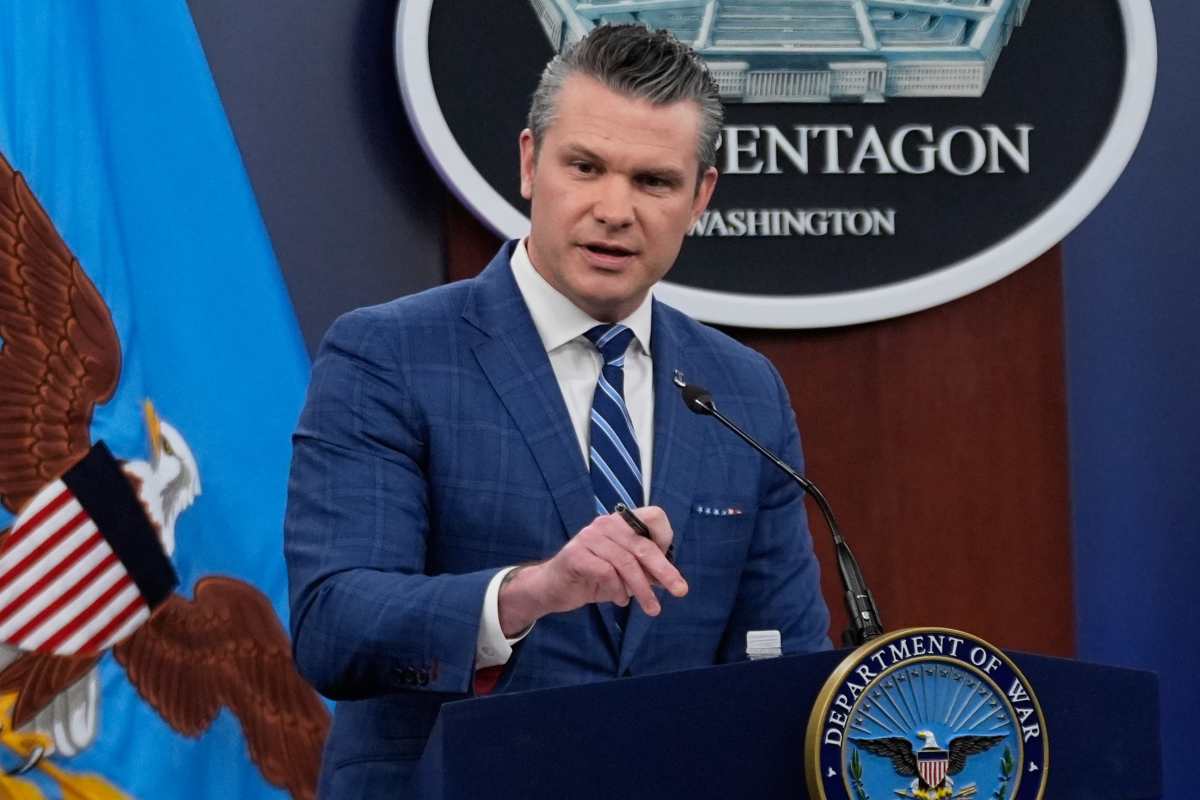
The rift between the government and Anthropic escalated when the administration designated the startup a "supply chain risk."
Historically, this specific label has been reserved for companies linked to foreign adversaries, making its application to a domestic AI leader unprecedented.
Anthropic responded by suing the administration, leading a federal judge in California to block the government’s blacklisting efforts last month.
Despite this legal victory, the company remains in a precarious position as the Pentagon moves forward with existing AI contractors like Palantir and new partners like Nvidia and OpenAI to build out its classified infrastructure.
White House reopens high level discussions
Despite the ongoing litigation and blacklisting, a potential thaw in relations has emerged. Anthropic CEO Dario Amodei recently visited the White House for a pivotal meeting with Chief of Staff Susie Wiles.
This sudden reopening of dialogue follows Anthropic’s unveiling of "Mythos," a breakthrough tool capable of identifying cybersecurity threats.
However, the technology represents a double-edged sword: while it can protect networks, it also provides a roadmap that hackers could use to target the government or private corporations.
The administration is now weighing these breakthroughs against Anthropic's previous refusal to remove guardrails on autonomous weaponry.